
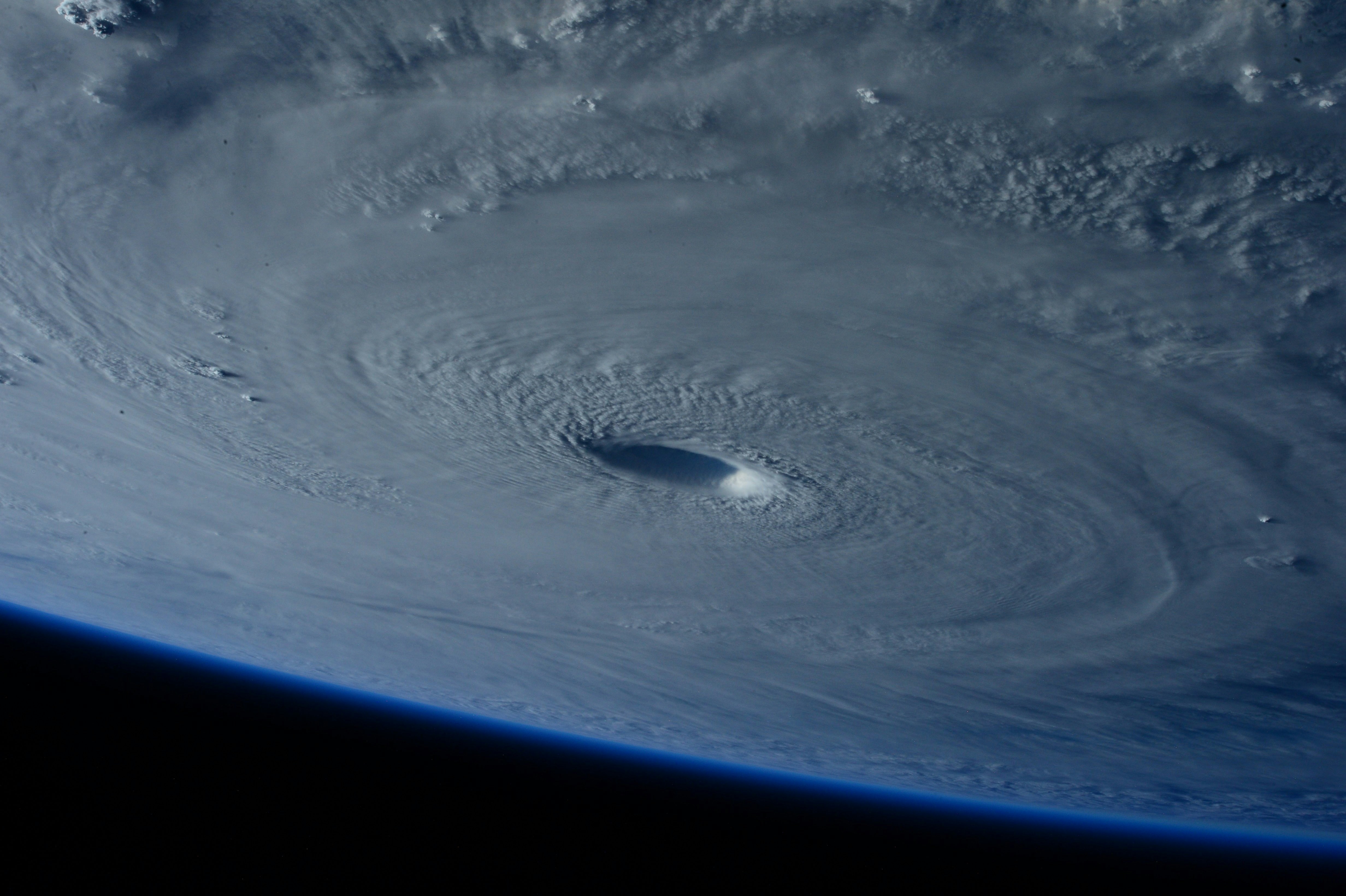
Overview of Hurricane Melissa
Hurricane Melissa has emerged as a formidable force in the Atlantic, capturing the attention of meteorologists and residents alike. This superstorm formed in the warm waters of the Caribbean Sea, capitalizing on favorable atmospheric conditions that facilitated its rapid intensification. As of the latest reports, Hurricane Melissa is classified as a Category 3 hurricane on the Saffir-Simpson scale, with sustained winds reaching speeds of up to 120 miles per hour. Such intensity places it among the more powerful hurricanes, posing significant risks to the areas in its projected path.
The storm’s trajectory has shown it moving northwestward, with forecasts indicating that it will make landfall on the southern coast of Cuba in the coming days. The precise timing of landfall is currently projected for late Wednesday, although these predictions are subject to change as meteorological models are updated. It is essential to monitor these developments closely, as shifts in the storm’s path could influence its impact on various regions.
Several critical meteorological factors are contributing to the strength of Hurricane Melissa. The warm sea surface temperatures in the Caribbean provide additional energy, while low wind shear allows the storm to maintain its structure and intensity. These elements combine to create a potent system that can cause severe weather phenomena, including heavy rainfall, high winds, and storm surges. Experts emphasize the need for residents in affected areas to prepare adequately for potential disruptions, as the hurricane’s trajectory could lead to significant impacts on both infrastructure and daily life in Cuba.
Impact on Previous Locations: Jamaica and Haiti
Before approaching Cuba, Hurricane Melissa wreaked considerable havoc in both Jamaica and Haiti, illustrating the profound impact of such superstorms on these regions. In Jamaica, heavy rains combined with strong winds resulted in extensive flooding and landslides. Reports indicated that numerous homes were damaged, and essential infrastructure such as roads and bridges faced significant degradation. Particularly in remote areas, access to affected communities became challenging, further complicating relief efforts. The Jamaican government mobilized response teams to address immediate needs, but the sheer scale of destruction highlighted the vulnerability of the island to major storms.
In Haiti, the situation was even more dire. Preliminary reports indicated that the tempest claimed lives, with multiple casualties confirmed across several regions. The country’s already fragile infrastructure, which struggles under political and economic burdens, faced an even harsher test from Hurricane Melissa’s ferocity. Floodwaters overflowed, inundating impoverished neighborhoods and forcing residents to evacuate to makeshift shelters. The humanitarian response in Haiti was constrained by limited resources and an overwhelmed healthcare system, further exacerbating the challenges facing the population.
The aftermath of Hurricane Melissa in both Jamaica and Haiti also emphasized the necessity for effective emergency management and disaster preparedness. Local authorities and international organizations mobilized relief efforts but confronted inherent obstacles, such as logistical complications in reaching affected areas and establishing safe zones for displaced individuals. Meanwhile, the urgent need for recovery support underlined the long-term implications of such superstorms, often leaving communities struggling to rebuild. The experiences of Jamaica and Haiti not only reflect the immediate consequences of Hurricane Melissa but also serve as critical case studies for understanding the broader impacts of climate-related disasters in the Caribbean region.
Preparedness Measures in Cuba
As Hurricane Melissa approaches, Cuban authorities have mobilized a comprehensive strategy to safeguard its population, highlighting the nation’s historical resilience to natural disasters. The Cuban government, which has a long-standing commitment to disaster preparedness, has initiated extensive evacuation plans for vulnerable coastal areas likely to be impacted by the superstorm. This proactive approach involves the identification of high-risk zones, ensuring that residents are informed and have access to safe shelters well ahead of the storm’s expected landfall.
In addition to evacuation protocols, emergency response strategies are firmly in place. Local and national emergency response teams are conducting drills and simulations to ensure a swift and effective reaction. This includes coordination with the Cuban Civil Defense, which has been instrumental in disaster management, utilizing both trained volunteers and professionals. The government has sought to reinforce infrastructure resilience, urging citizens to secure their properties and prepare for possible power outages and flooding. Public communication channels, including television, radio, and social media, have been utilized to disseminate crucial information about safety measures. These channels also serve as platforms to relay real-time updates regarding the storm’s progression.
The significance of public awareness campaigns cannot be overstated in these efforts. The Cuban government is leveraging these campaigns to educate the populace about how to respond in emergencies. Such initiatives focus on community engagement, encouraging residents to participate in preparedness activities, including workshops and information sessions. Historical context plays a vital role, as previous hurricanes have shaped current methodologies. The lessons learned from past storms inform contemporary practices, fostering a culture of resilience that is integral to Cuban society. Overall, the nation’s systematic approach in the face of Hurricane Melissa underscores its commitment to mitigating risks associated with hurricanes and protecting its citizens.
Looking Ahead: The Aftermath of Hurricane Melissa
As Hurricane Melissa approaches Cuba, the potential consequences of the storm’s impact on the nation’s landscape are concerning. In the immediate aftermath, the local economy is likely to experience significant disruptions. The agricultural sector could face extensive damage, threatening food supply chains and exacerbating existing economic vulnerabilities. For a country that relies heavily on its agricultural exports, this impact could ripple through the economy, affecting everything from pricing to employment rates.
Moreover, the healthcare system in Cuba will be tested. With facilities possibly damaged or overwhelmed by an influx of patients due to storm-related injuries, maintaining a robust healthcare infrastructure becomes critical. Additionally, the challenges posed by the pandemic could complicate recovery efforts, stressing the system further. The need for medical supplies, personnel, and resources will heighten, necessitating an efficient response from local authorities and international partners.
Infrastructure is another area of concern post-Melissa. Roads, bridges, and utilities may face significant impacts, complicating aid distribution and access to essential services. Restoration efforts will require careful planning and resources, emphasizing the need for a resilient infrastructure framework that can withstand future storms. The rebuilding process not only involves physical restoration but also enhancing preparedness to mitigate the effects of future disasters.
The role of international aid in this scenario cannot be overstated. External support will play a vital part in Cuba’s recovery efforts, providing much-needed resources and assistance. Furthermore, climate change’s influence on hurricane patterns presents long-term implications that Cuba must confront. Increased hurricane frequency and intensity necessitate a strategic approach to disaster preparedness and response, shaping policies that prioritize resilience in the face of climate challenges.