
Overview of the Incident
On December 6, 2025, a disturbing incident unfolded at the historic Tower of London, an iconic symbol of British heritage. Four individuals were arrested after they threw food items at the crown display, an act that was widely perceived as an attempt to vandalize one of the country’s most treasured artifacts. The incident occurred during a busy time of day when numerous visitors were present, drawing significant attention not only from the patrons but also from the media.
Witnesses reported immediate chaos as the food items struck the glass encasement of the crown, which houses the British crown jewels, leading to a swift reaction from the British police. Law enforcement authorities arrived on the scene within minutes, securing the area and detaining the perpetrators. The four individuals, whose motivations appeared to range from political protest to anti-monarchist sentiment, were conveyed to the nearby police station for questioning, marking a serious escalation of the ongoing dialogues surrounding royal heritage and its place in contemporary society.
Following the incident, the authorities promptly sealed off the area surrounding the crown display to assess any potential damage and to ensure visitor safety. This temporary closure resulted in a notable disruption for the many tourists who had planned to view the historic jewels that remain a significant part of British culture. Public reactions varied, with some supporting the protesters’ right to express dissent, while many others condemned the act as an affront to national pride and heritage. The incident not only raised questions about the preservation of such historical artifacts but also highlighted the tensions between royal symbolism and modern societal values.
Significance of the Tower of London
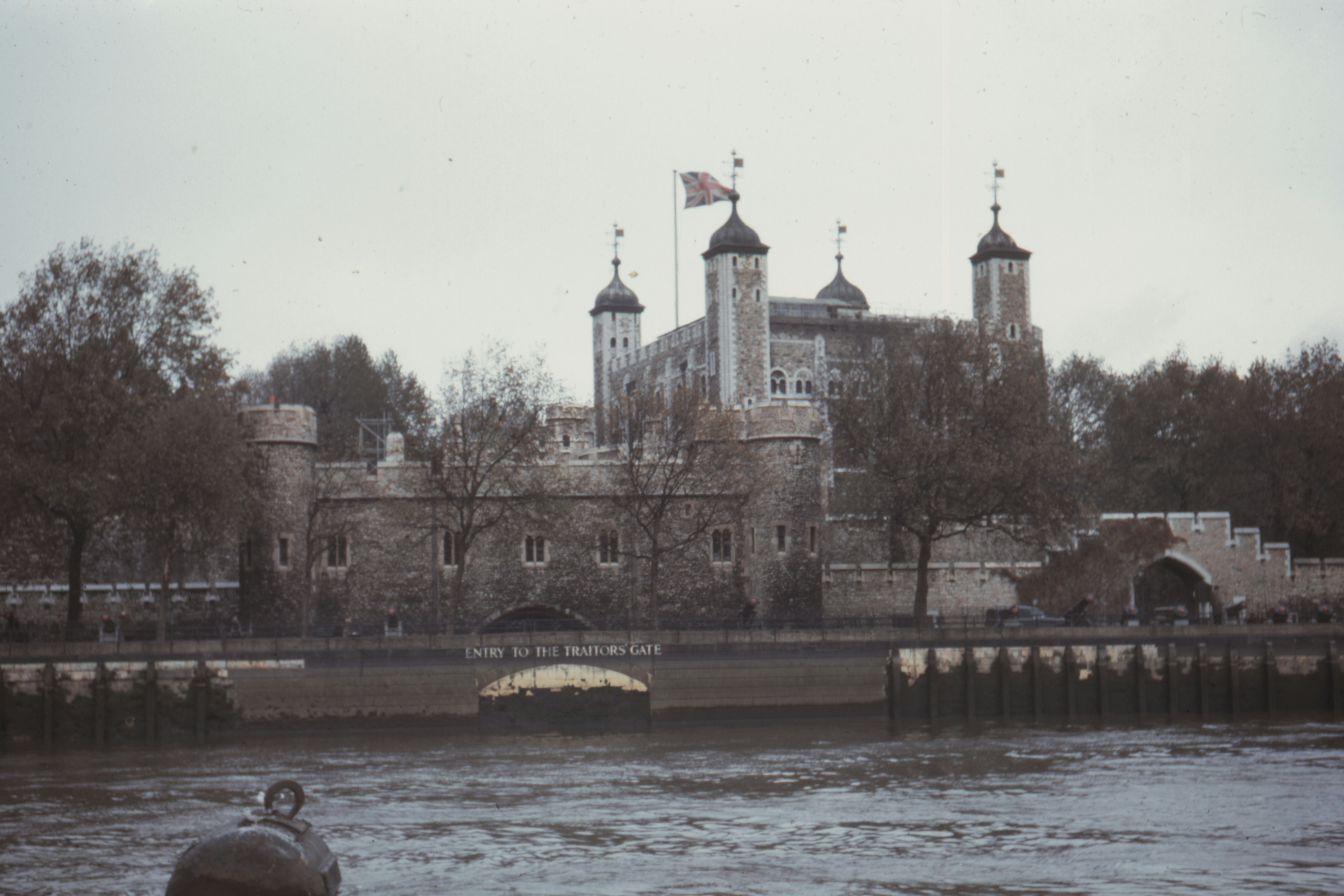
The Tower of London serves as an emblem of British royal heritage, deeply embedded in the nation’s history. Constructed in the early 11th century, it has evolved from a royal palace to a formidable fortress, and ultimately, a stern prison. Throughout the centuries, the Tower has witnessed pivotal events, including the imprisonment and execution of several high-profile figures, all of which contribute to its complex narrative and significance. It stands today not only as a monument to England’s turbulent history but also as a symbol of the monarchy’s endurance.
Recognized as a UNESCO World Heritage Site, the Tower of London is a testament to the architectural ingenuity of its time and the cultural underpinnings of British society. It attracts millions of visitors each year, drawn by its storied relics, which include the Crown Jewels and various royal artifacts. This influx of tourism emphasizes the Tower’s role as a major attraction, which in turn fosters an appreciation for the historical narratives interwoven within its walls. The preservation of such heritage sites is paramount, as they serve to educate the public and future generations about their history.
Moreover, the Tower represents the broader themes of power, justice, and betrayal that are central to the narrative of the British monarchy. The public sentiment towards these heritage sites is often one of reverence, illustrating a desire to maintain continuity with the past. By safeguarding places such as the Tower of London, society acknowledges not only the historical significance but also the emotional context tied to royal heritage. In doing so, the collective memory of events and artifacts can continue to inspire respect and curiosity about the rich history that shapes modern identity.
Public and Media Reactions
The incident at the Tower of London has evoked a wide range of reactions from both the public and media outlets, reflecting varying perspectives on the implications of such a disturbing act against an important symbol of British heritage. Eyewitness accounts have surfaced, showcasing a mixture of shock and disbelief at the incident that unfolded. One visitor, who was present during the event, recounted, “I never thought I would witness something like this in such a revered place. It makes you question the safety of our cultural landmarks.” This sentiment resonates with numerous individuals who view the Tower of London as an integral part of the nation’s historical narrative.
The media response has been equally vigorous, with leading newspapers and television networks providing extensive coverage. Commentators have described the incident as a “blatant attack on royal heritage,” urging a national discourse on how such actions reflect broader societal attitudes towards the monarchy. Columnists have posited that this event shines a light on the growing dissent among segments of the population regarding the relevance and role of the royal family in contemporary society. One cultural commentator noted, “This incident is not merely an act of vandalism; it symbolizes a deeper disconnection and discord within our society relating to our historical figures and their significance.
Furthermore, the repercussions of this disturbing act extend into discussions about national identity and pride. Many have expressed concern over what this indicates about societal values and the potential normalization of disrespect towards historical symbols. The heightened scrutiny of security measures at such sites indicates an immediate reaction to ensure the preservation of national heritage against similar threats. The incident raises critical questions about the relationship between contemporary society and its historical institutions, inviting dialogue on how we safeguard and respect our cultural legacy.
The Role of the Police and Security Measures
The recent incident at the Tower of London has prompted a thorough examination of the response from the British police and the security measures enacted to safeguard cultural landmarks. In light of this disturbing act, authorities have mobilized to ensure heightened security protocols at the Tower and similar heritage sites across the nation. The British police play a pivotal role in maintaining public order and protecting these vital components of Royal heritage.
Upon notification of the incident, police response teams were dispatched promptly to assess the situation and prevent any further disturbances. Their immediate focus is to secure the area, gather evidence, and engage with witnesses to reconstruct the events leading to the act. This level of vigilance reflects a broader commitment to upholding safety within public spaces that attract large crowds, including tourists and locals. Enhanced communication between the police and nearby security personnel is crucial, as it fosters a coordinated approach to crowd management and visitor safety.
In addressing the evolving landscape of security challenges, authorities are also reviewing existing protocols for protecting cultural landmarks. This includes assessing surveillance systems, access controls, and emergency response strategies. Ensuring that security measures remain robust while preserving the visitor experience is of utmost importance. Regular training and drills for security personnel can bolster readiness should an unanticipated disturbance occur. The discussions surrounding these practices highlight a trend toward more adaptive security measures that can respond to emerging threats.
In conclusion, the incident at the Tower of London serves as a stark reminder of the delicate balance between maintaining open access to heritage sites and ensuring their security. The response from the British police, coupled with ongoing evaluations of current security measures, underscores a proactive approach to protecting cultural heritage and public safety.