
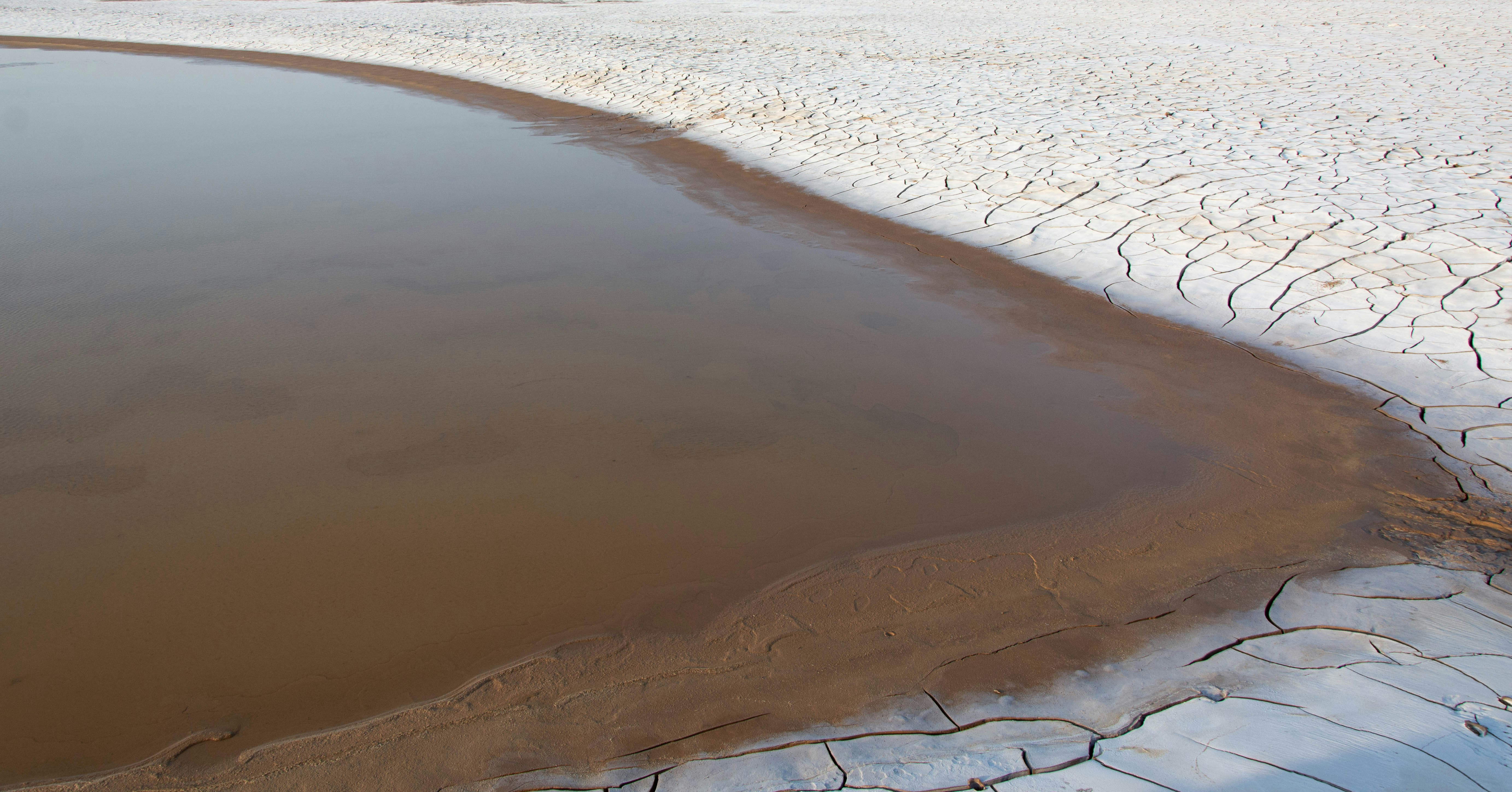
Understanding the Water Crisis in Iran
The ongoing water crisis in Iran is a multifaceted issue severely impacting the country’s sustainable development and the well-being of its population. At the heart of this crisis lies a combination of climate change, mismanagement of water resources, and rapid population growth. These factors have led to alarming declines in water availability in several regions across the country.
Climate change has exacerbated the situation, causing alterations in precipitation patterns and increasing instances of drought. Iran has experienced significant reductions in snowfall and rainfall over the years, which are critical for replenishing rivers and groundwater aquifers. For instance, the Zayandeh Rud River, once a vibrant waterway, has seen its flow diminished to almost nothing during dry seasons, affecting both agriculture and daily living for nearby residents.
Alongside climate challenges, the mismanagement of water resources has played a crucial role in the crisis. Historically, water-intensive agricultural practices have stressed the already limited water supply. Universities and agricultural experts have highlighted how crop selection and irrigation methods have not evolved to meet the country’s changing water landscape. Additionally, numerous dam projects have led to the alteration of natural waterways, compounding the problem by disrupting ecosystem balances and local water availability.
Population growth is the third significant contributor to this crisis. As Iran’s population continues to rise, the demand for water resources increases proportionately. Major cities like Tehran and Isfahan are experiencing heightened competition for available water, leading to over-extraction of aquifers. Recent assessments show that nearly half of the nation’s urban areas are at risk of becoming water scarce if effective management strategies are not implemented.
In response to the dwindling water supplies, local communities have begun to adopt various adaptive strategies. These include shifting towards more sustainable agricultural practices, implementing water conservation techniques, and raising awareness around the importance of resource management. However, without substantial support from the government and more effective policies in place, these grassroots efforts may prove insufficient to combat the looming catastrophe of Iran’s water crisis.
Impacts of Water Shortages on Society and Economy
The severe water shortages faced by Iran present a plethora of challenges that significantly impact both societal structures and economic stability. As water scarcity intensifies, agriculture—an essential pillar of the Iranian economy—suffers considerably. Farmers, particularly in arid regions, are witnessing diminished crop yields due to inadequate irrigation. This decline not only threatens food security but also heightens the economic distress faced by rural communities reliant on agriculture for their livelihoods. Reports indicate that many farmers have abandoned traditional crops in favor of less water-intensive alternatives, a shift that compromises the sustainability of local economies.
Moreover, the implications of water shortages extend beyond agriculture, adversely affecting public health. Limited access to clean water exacerbates the risks associated with waterborne diseases, particularly in underprivileged areas where healthcare infrastructure is already strained. The National Institute of Health has highlighted a surge in illnesses linked to poor hygiene practices, as residents struggle to maintain sanitary conditions without adequate water supplies. Communities are witnessing an escalation in health crises, which in turn place further pressure on already overburdened healthcare systems.
Social tensions also rise in response to the water crisis, as competition for access to dwindling resources intensifies. Disputes over water usage can lead to conflicts within and between communities, undermining social cohesion. Displacement due to aggressive water management policies, coupled with the economic burdens felt by families, fuels public discontent and protests. Real-life stories from regions such as Khuzestan illustrate the desperation of citizens facing water rationing and frequent shortages. Families are grappling with this crisis, often resulting in drastic measures to secure their basic needs. The overall impact of severe water shortages thus reverberates through the fabric of Iranian society, creating a complex interplay of agricultural, health, economic, and social challenges that require urgent attention.
Government Response and Future Strategies
The Iranian government’s response to the ongoing water crisis has been multifaceted, involving a blend of immediate measures and longer-term proposals. High-ranking officials, including the President, have expressed grave concerns regarding the sustainability of water resources, warning of dramatic scenarios such as the potential evacuation of Tehran if current trends persist. This stark warning aims to galvanize public awareness and support for urgent action to address the crisis.
Among the strategies put forth, the government has initiated several policies aimed at conservation and efficient water usage. Programs have been introduced to promote water-saving technologies in agriculture, which accounts for a substantial portion of the nation’s water consumption. Moreover, local regulations incentivizing reduced water use in urban areas have been proposed. While these measures demonstrate a commitment to addressing the issue, critics argue that these efforts may fall short of the comprehensive overhaul needed to stem the crisis effectively.
Experts suggest that without systemic changes in governance, water management practices, and investment in infrastructure, the Iranian water crisis will continue to escalate. The introduction of water recycling and desalination technologies is cited as a necessary step forward. Additionally, enhancing regional cooperation for water-sharing agreements could provide both immediate relief and long-term sustainability for Iran’s water resources.
While governmental efforts are underway, the realistic implementation and effectiveness of these measures remain uncertain. Scientific assessments of water resources and more proactive engagement with local communities are critical for any effective strategy. In conclusion, addressing the water crisis in Iran necessitates an urgent reevaluation of existing policies and the development of innovative solutions to ensure a stable water future for the country. We must take note of international best practices and adapt them to the unique circumstances that Iran faces today.
Global Perspectives on Water Scarcity and Lessons Learned
Water scarcity is a pressing global issue that transcends national boundaries, affecting millions of people around the world. Various countries, particularly in arid and semi-arid regions, have grappled with severe water shortages, leading to socioeconomic challenges, health crises, and environmental degradation. The crisis faced by Iran serves as a poignant reminder of the need for effective water management strategies, similar to those employed in other nations that have successfully navigated their own water scarcity dilemmas.
For instance, Israel has implemented advanced water conservation techniques, primarily through innovative agricultural practices and extensive desalination projects. The country’s focus on drip irrigation has drastically reduced water waste in agriculture, which often consumes the majority of freshwater resources. By prioritizing technology and efficiency, Israel has not only improved its water supply but has also transformed its arid landscapes into productive agricultural zones. This model offers valuable lessons for Iran as it seeks sustainable solutions to its water crisis.
Similarly, other nations like Australia have faced significant droughts that prompted long-term water management reforms. The introduction of water-saving measures, such as mandatory restrictions during critical periods, has played a pivotal role in enhancing water resilience. Additionally, Australia’s experience with public awareness campaigns about water conservation underscores the importance of community involvement in addressing water scarcity challenges.
As water crises are inherently global challenges, international cooperation among nations is vital. Sharing knowledge, technology, and best practices can bridge gaps in water management capabilities, fostering collaborative efforts that drive sustainable development. Iran’s looming water crisis, therefore, could benefit immensely from this global exchange of solutions, potentially averting catastrophic outcomes through proactive engagement and collective strategies.
You might also like:
- USS Gerald R. Ford: A Force in the Caribbean Against Drug Trafficking
- The Growing Influence of Independent Record Labels: A $134 Million Investment in 2023
- Hurricane Melissa: A Powerful Storm Reshaping the Caribbean Landscape
- The Border Closure Debate: Implications and Reactions on December 13, 2025
- Navigating the Crypto Market: Current Trends and Insights