
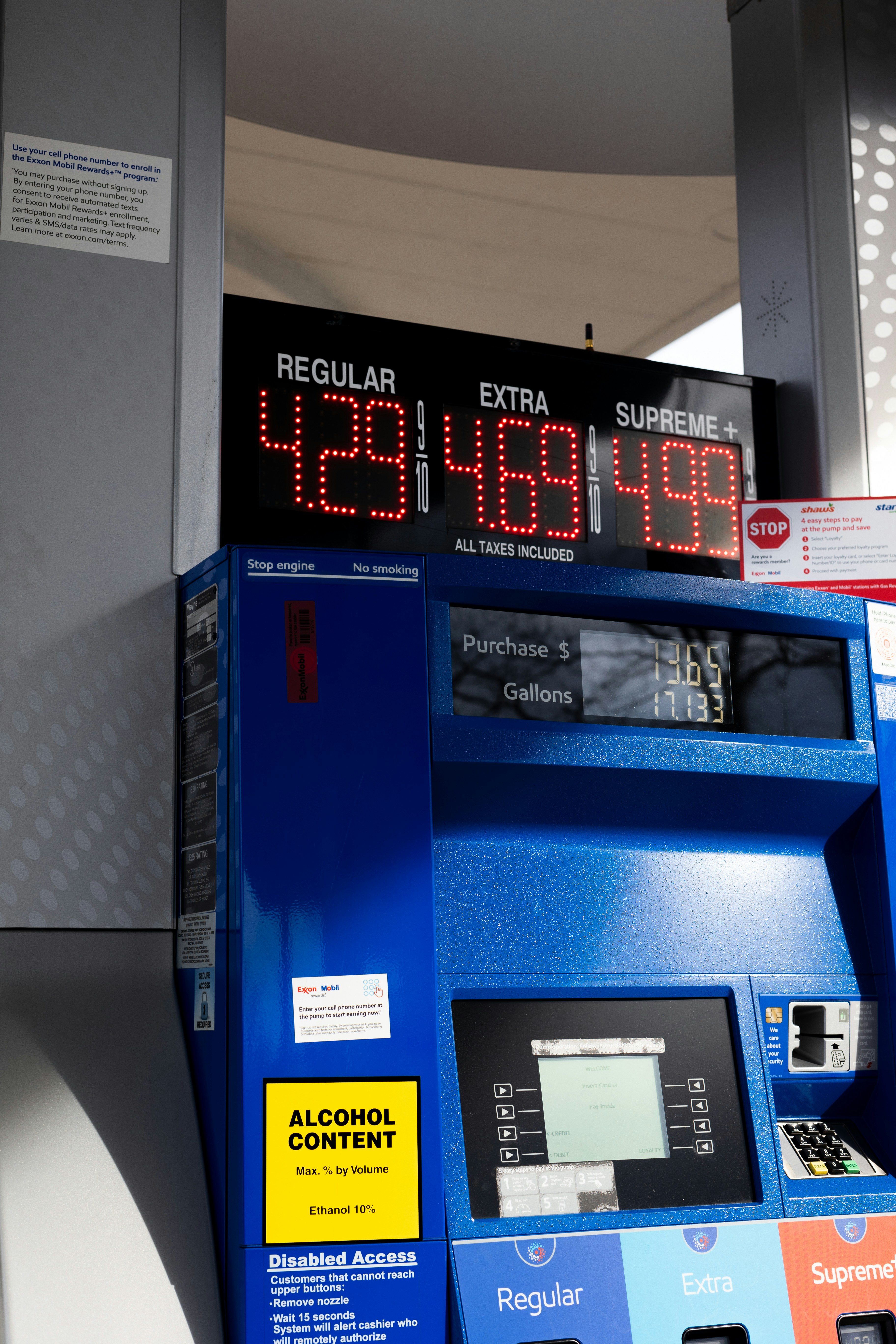
The Surge in Gasoline Prices
In recent months, Japan has experienced a significant surge in gasoline prices, reaching record highs that have stirred concern among consumers and policymakers alike. As of now, prices at the pump have risen dramatically, with reports indicating a 15% increase compared to the previous year. The average cost of gasoline has now surpassed 200 yen per liter, marking the highest point in over a decade.
Several key factors have driven this increase in gasoline prices. Chief among them is the ongoing conflict in the Middle East, which has disrupted the global supply chain of crude oil, leading to heightened prices on international markets. Japan, heavily reliant on imports for its oil supply, has felt the immediate impact as prices surge due to instability in oil-producing regions.
Additionally, domestic demand for gasoline remains robust, particularly during the summer months when travel and leisure activities increase. This seasonal surge in demand has further exacerbated the existing supply constraints, pushing prices upward. Moreover, Japan’s local economy shows signs of resilience, with recovery efforts post-pandemic fueling higher consumption across various sectors. As consumers return to normalcy, the increased demand for transportation fuel has placed additional pressure on gasoline prices.
Government policies also play a critical role in shaping gasoline prices. Recently, the Japanese government has introduced measures aimed at mitigating the price shock for consumers, including subsidies for oil companies. However, these interventions have had limited success as global market dynamics exert considerable influence over domestic pricing mechanisms.
In conclusion, the recent surge in gasoline prices in Japan can be attributed to a complex interplay of factors, including international conflicts, domestic demand, and governmental strategies. The situation remains fluid, and ongoing monitoring of these developments will be essential for consumers and businesses alike.
Impact of Middle East Conflicts
The intricate relationship between geopolitical conflicts in the Middle East and Japan’s gasoline prices is a matter of significant economic concern. Japan, heavily reliant on imported oil, sources a substantial portion of its crude oil from this region. As tensions escalate due to various conflicts, the stability of oil supply is jeopardized, leading to immediate repercussions on pricing.
Ongoing conflicts can disrupt oil production and transportation, creating supply shortages that ripple through the global market. For instance, military actions or political instability in major oil-producing countries such as Saudi Arabia, Iraq, and Iran can lead to production halts or reductions. These disruptions not only threaten the physical supply but can also instigate fear and speculation in the international markets, pushing gasoline prices upward. The volatility caused by such conflicts affects not only Japan but also other nations that depend on oil imports.
Furthermore, Japan’s energy policy has historically been reactive to fluctuations in global oil prices. When conflicts emerge, Japanese authorities must navigate a delicate balance between securing alternative energy supplies and managing domestic economic pressures. The overall energy strategy has shifted towards diversification; however, the dependency on Middle Eastern oil remains a critical component of Japan’s energy landscape. This reliance underscores the importance of stable relations with oil-producing nations.
Additionally, price adjustments in the global oil market, influenced by geopolitical events, tend to affect Japan swiftly. As the Yen fluctuates against the US Dollar, costs for purchasing crude oil can become further complicated, impacting end-user prices at the pump. Ultimately, the intricate dance of international relations and oil supply reflects in Japan’s gasoline pricing, creating challenges for consumers and the economy as a whole.
Comparative Analysis with Other Countries
The recent surge in gasoline prices in Japan has garnered attention not only because of its historical context but also due to the parallels and divergences observed in other countries experiencing similar trends. Across the globe, geopolitical tensions, particularly in oil-rich regions, have historically influenced global oil prices, thus affecting local fuel costs.
In Europe, for instance, countries such as Germany and France have also faced significant increases in fuel prices. These hikes have been attributed to ongoing conflict dynamics in the Middle East, which have disrupted oil supply lines. Additionally, local taxation policies in European nations may amplify the impact of rising global oil prices, leading to more pronounced effects at the pump in comparison to Japan.
Meanwhile, in the United States, the dynamics surrounding gasoline prices appear influenced by a different set of factors. While the U.S. is a significant oil producer, domestic prices still react to global market fluctuations. Recent surges tied to Middle Eastern conflicts led to notable price hikes in many states, highlighting the interconnectedness of the global oil market. As such, while the U.S. may exhibit resilience in some respects, it is not immune to the fluctuation patterns similar to that of Japan.
Furthermore, oil-rich nations like Saudi Arabia have been noted for their attempts to maintain stable pricing despite external pressures, largely due to their vast reserves and production capabilities. This has allowed them to somewhat buffer their economies from drastic gas price fluctuations compared to Japan, which relies heavily on oil imports.
By analyzing these patterns, it becomes clear that while Japan’s escalating gasoline prices reflect broader global trends caused by geopolitical conflicts, local factors such as taxation and energy policies also play a crucial role in shaping the country’s fuel pricing landscape.
Future Projections and Consumer Impact
The ongoing conflict in the Middle East has led to significant fluctuations in global oil prices, and consequently, Japan’s gasoline prices are reaching unprecedented levels. As experts analyze the situation, various projections regarding future gasoline prices are being put forth. Some analysts predict that unless there is a resolution in the Middle East, prices may continue to rise, potentially surpassing current records. Conversely, a few optimistic experts suggest that stabilization could occur should geopolitical tensions ease or if alternative fuel sources gain traction. However, this optimism needs to be weighed against the unpredictability inherent in global oil markets.
As gasoline prices impact household budgets substantially, Japanese consumers are bracing for increased expenditures as they navigate this turbulent economic landscape. Higher fuel costs not only affect individual budgets but also influence transportation and goods pricing, which can subsequently have a ripple effect across various sectors. Households that depend heavily on commuting and transportation services are particularly vulnerable to these price hikes. Moreover, small businesses that rely on fuel for logistics may face increased operating costs, leading to reduced profit margins and potential downsizing.
In response to high fuel costs, consumers may adopt several strategies to mitigate their concerns. Some households might consider carpooling to reduce fuel consumption or opt for public transportation when feasible. Furthermore, investing in fuel-efficient vehicles or exploring electric alternatives may also become more appealing as consumers seek long-term solutions to address their fuel dependency. Additionally, budgeting adjustments may come into play, as households prioritize spending to accommodate higher gasoline prices. Overall, while the future of gasoline prices in Japan remains uncertain, the consumer impact is likely to be significant and requires deliberate adaptations from individuals and businesses alike.
You might also like:
- Escalating Tensions: NATO’s Advancements and Russia’s Response
- An In-Depth Look at the Japanese Financial Market Today
- Anticipated Blockbusters of Late 2025: What to Expect
- Ethereum price rally pauses at $2.2K: What’s going to trigger breakout?
- An Off Day on Uranus, a Wildfire in Prospect Park and Dispatches from COP29
