
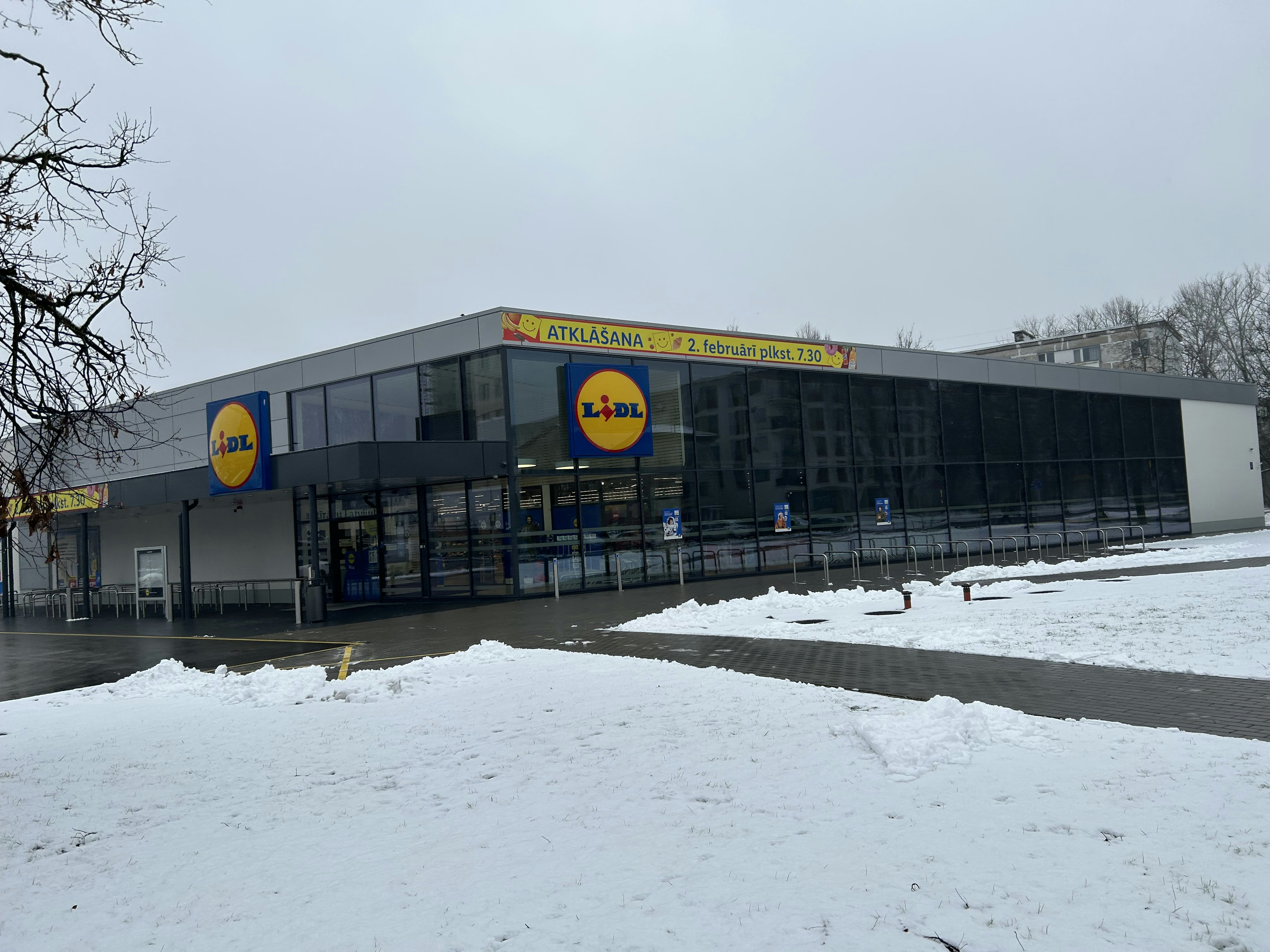
The Changing Landscape of UK Supermarkets
The UK grocery market has experienced a significant transformation in recent years, characterized by an emerging trend that sees discount retailers gaining substantial market share. A notable example of this shift is Lidl, which has recently overtaken Morrisons as one of the leading supermarket chains in the United Kingdom. This change reflects the growing consumer preference for value-driven options as inflationary pressures contribute to the quest for more affordable shopping alternatives.
According to data from Worldpanel by Numerator, as of May 17, 2026, Lidl’s market share has surged to approximately 7.4%, marking a significant milestone in its growth trajectory. In contrast, Morrisons has seen a decline, now holding around 7.1% of market share. This competitive landscape illustrates not only Lidl’s rise but also the shifting dynamics among established players such as Tesco, Sainsbury’s, and Asda, alongside fellow discounter Aldi.
As it stands, Tesco remains the dominant force in the UK grocery sector, commanding a market share of approximately 27.2%. However, the pressure from discount retailers has prompted major supermarket chains to reassess their strategies. Sainsbury’s and Asda have also reported fluctuations in their market positions, as consumers increasingly gravitate towards retailers that offer competitive prices without compromising quality.
The implications of these changes extend beyond market shares; they signify a broader shift in consumer behavior towards seeking affordability in their grocery shopping habits. This evolving landscape of UK supermarkets underscores the importance of adaptability as retailers navigate the challenges posed by the rising stature of discounters like Lidl and Aldi. As competition intensifies, the focus will increasingly shift towards innovative pricing strategies, promotions, and enhancing customer experience to maintain market relevance.
Lidl’s Growth Strategy and Success Factors
Lidl has witnessed remarkable growth in the UK grocery market, notably overtaking Morrisons, driven by a multifaceted growth strategy that emphasizes value, expansion, and technological innovation. One of the primary pillars of Lidl’s strategy is its unwavering focus on providing exceptional value to customers. By keeping operational costs low and ensuring a streamlined supply chain, Lidl offers competitive pricing on essential grocery items, attracting a broad customer base. This commitment to value resonates well with UK shoppers who are increasingly looking for ways to maximize their spending.
In addition to pricing strategies, Lidl has actively pursued expansion plans to bolster its market presence. The discounter has significantly ramped up its store openings across various regions in the UK. By targeting both urban and suburban areas, Lidl has strategically positioned itself within reach of diverse demographic groups. The expansion not only increases physical accessibility for shoppers but also enhances brand visibility, reinforcing Lidl’s position as a preferred destination for full grocery shopping.
Technological advancements have also played a critical role in Lidl’s growth. The introduction of innovative solutions such as a loyalty app and scan-and-go capabilities has enhanced the shopping experience, addressing the increasing demand for convenience among customers. The loyalty app not only incentivizes repeat purchases but also enables Lidl to gather valuable shopping data, allowing for tailored marketing efforts. Furthermore, scan-and-go technology expedites the checkout process, making shopping more efficient and pleasant for consumers.
By effectively targeting demographics, Lidl has attracted over 500,000 new shoppers, underlining its capacity to evolve and cater to changing consumer preferences. This strategic focus on various growth factors has solidified Lidl’s status as a formidable player in the UK’s grocery landscape.
Morrisons’ Struggles in a Competitive Market
The rise of discount retailers such as Lidl has posed significant challenges for traditional supermarkets like Morrisons. As consumers increasingly seek value for their money, Morrisons has found it difficult to maintain its market share in a competitive grocery environment. One contributing factor to Morrisons’ struggles is the misalignment between its pricing strategy and consumer expectations. As discount chains continue to expand their offerings, Morrisons has been perceived as less competitive in terms of pricing, which has driven customers towards the better value propositions offered by Lidl.
Moreover, internal restructuring efforts have also played a role in Morrisons’ decline. The decision to close stores in certain locations has led to decreased accessibility for loyal customers, resulting in diminished foot traffic and sales. These store closures, often dubbed necessary for maintaining operational efficiency, have ironically had the opposite effect, further alienating the brand’s customer base. Compounded by the financial strain from previous ownership changes, Morrisons now faces a daunting task of reversing a trend of declining revenue and market presence.
Contrasting their situation with that of Lidl highlights the urgent need for Morrisons to reassess its approach. Lidl’s focus on no-frills shopping experiences and everyday low prices has resonated strongly with budget-conscious consumers. Consequently, the discount retailer has gained a firmer foothold in the UK grocery market while Morrisons grapples with a shrinking customer base and mounting fiscal pressure. In light of these issues, it remains crucial for Morrisons to rethink its market strategy to reclaim its position and address the challenges stemming from this fierce competition.
The Implications of the ‘Big Four’ Shift
The recent overtaking of Morrisons by Lidl has far-reaching implications for the UK grocery market, significantly altering the competitive landscape traditionally dominated by the ‘Big Four’: Tesco, Sainsbury’s, Asda, and Morrisons. This shift marks a pivotal moment for consumers, retailers, and the grocery market as a whole. With consumers increasingly prioritizing value and affordability, discount retailers like Lidl are set to play a more prominent role in shaping purchasing habits.
As Lidl ascends, it symbolizes a growing trend where shoppers are gravitating towards stores that offer competitive pricing, promotions, and a no-frills shopping experience. The implications of this shift are manifold; not only does it challenge the conventional pricing strategies of established players, but it also compels them to rethink their value propositions. The pressure is on these traditional grocers to enhance their offerings, reduce prices, and create compelling promotional campaigns that resonate with today’s cost-conscious consumers.
Moreover, the emergence of discount retailers impacts consumer behavior significantly. The increasing focus on budget-friendly shopping necessitates that the ‘Big Four’ adapt to maintain market share. This may involve streamlining operations, revising product assortments, and investing in private label products that can compete directly with those offered by discounters. The result is likely to foster a more dynamic and competitive grocery market.
Additionally, as consumers become more adept at seeking out the best deals, the overall shopping experience may shift towards one defined by informed decision-making and value-oriented choices. The ‘Big Four’ must embrace this new norm and respond effectively to the rising influence of discount chains like Lidl. The emergence of new market leaders highlights that the landscape is evolving, and the grocery sector must adapt to the shifting preferences of modern shoppers.
You might also like:
- China Issues Arrest Warrants for Online Fraudsters: Over 1,100 Suspects Repatriated from Myanmar
- Who Wins Arms: 5 Essential Strategies
- The Devil Wears Prada 2: BTS Featurettes On Vogue And Areas
- Exploring Hispaniola: The Jewel of the Caribbean
- Morgan Stanley launches stablecoin offering by money market fund
