
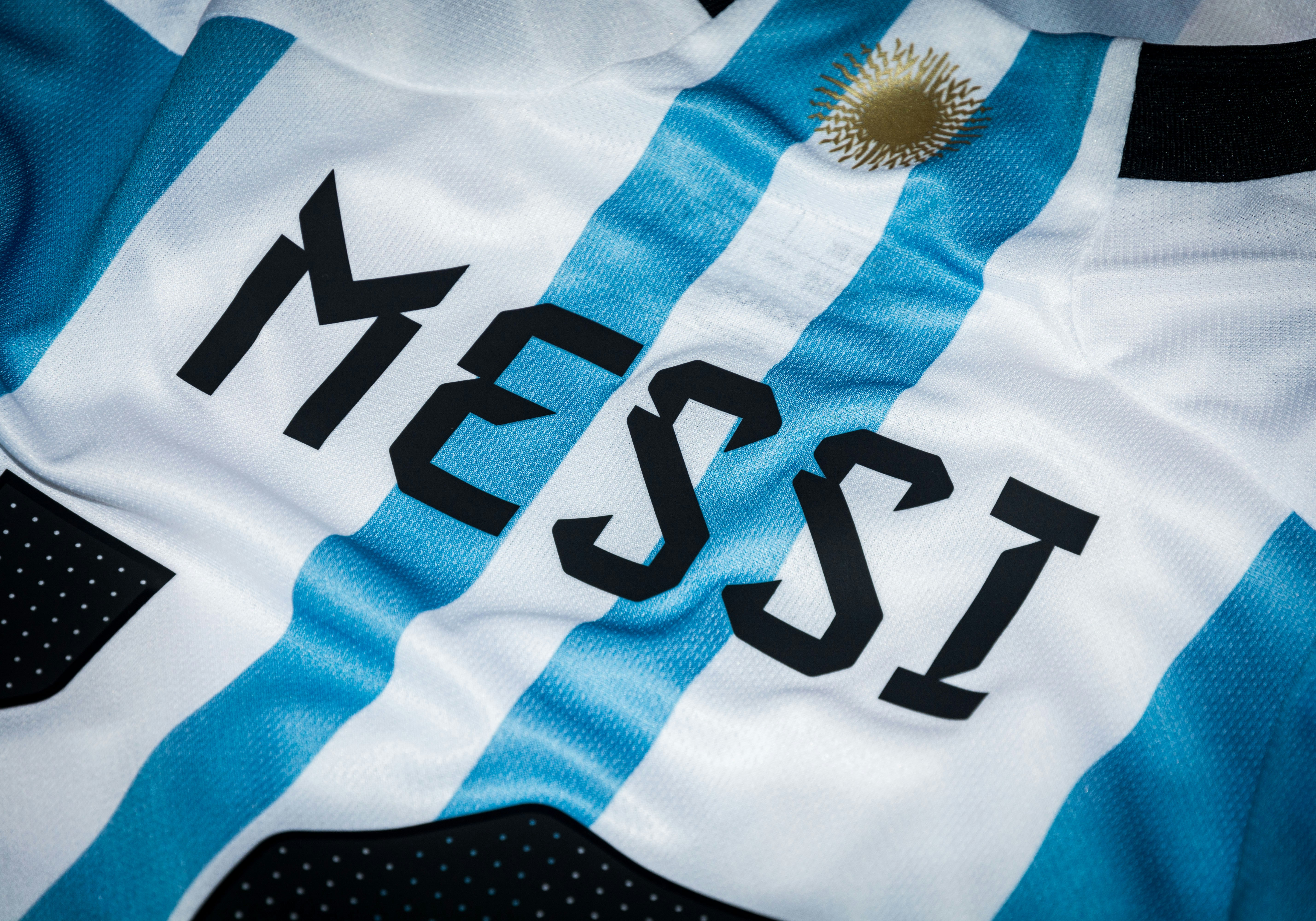
The Journey of Lionel Messi in International Football
Lionel Messi’s journey in international football began at a young age when he was called up to represent Argentina’s U15 team. His exceptional talent was evident as he showcased his skills in various youth tournaments, ultimately catching the attention of national team selectors. In 2005, Messi made his senior debut for the Argentine national team at just 18 years old. His entry marked the start of a remarkable career on the international stage.
Over the years, Messi has participated in multiple Copa America tournaments and FIFA World Cups. Though initially criticized for not translating his club successes into international accolades, he persisted in his dedication to the national team. The turning point came in 2021 when Messi helped Argentina secure their first Copa America title in 28 years. This victory was a significant milestone in his career; it not only silenced critics but also validated Messi’s commitment and ability to perform on the international front.
As the years progressed, Messi continued to evolve, refining his skills and leadership on the pitch. He has played in four World Cups, each time bringing unique insights and experiences that have contributed to his development as a player. Messi’s participation in the 2022 World Cup was pivotal, culminating in his long-desired triumph as Argentina emerged victorious. This victory solidified his status as one of the greatest players in football history and served as a testament to his relentless pursuit of excellence.
Throughout this journey, Messi’s determination to represent Argentina with pride never wavered. His ability to rise to the occasion in crucial matches, coupled with his artistic style of play, has left an indelible mark on both his teammates and fans alike. As he looks ahead to the 2026 World Cup, Messi’s legacy continues to inspire countless aspiring footballers worldwide.
The Significance of the 2026 World Cup
The 2026 World Cup is poised to be a landmark event in the realm of international football, with its unique format and expansive host locations. For the first time, the tournament will be held in three countries— the United States, Canada, and Mexico—signifying a historic collaborative effort among these nations. The competition will expand from the traditional 32 teams to 48, which not only increases participation but also adds to the excitement and unpredictability of the matches.
This upcoming tournament holds exceptional significance for Lionel Messi, who, at the age of 38, will face both challenges and opportunities as he aims to defend Argentina’s title as reigning champions. Having led his national team to victory in the 2022 World Cup, Messi’s legacy as one of the greatest footballers will further solidify if he can guide Argentina successfully through this new format. The pressure and expectations will likely be heightened as both fans and analysts speculate whether the superstar can sustain his high-performance levels at this stage of his career.
Moreover, the 2026 World Cup is an opportunity for Argentina to extend its rich footballing history while showcasing the nation’s skill and passion for the sport. For Messi, this tournament is not just another set of matches; it represents a pivotal moment to showcase his talent on one of the globe’s largest stages. The tournament is expected to attract millions of viewers, thus amplifying the spotlight on the players, particularly Messi, whose influence extends beyond the pitch and into cultural realms.
Ultimately, the 2026 World Cup will serve as a critical juncture for Messi and the Argentine national team. As defending champions, they will need to navigate a series of new challenges, but with the unique blend of experience and skill that Messi brings, the upcoming competition promises to be a thrilling chapter in both his career and the history of World Cup football.
Messi’s Aspirations and Goals for the 2026 World Cup
Lionel Messi’s journey towards the 2026 World Cup is marked by a profound sense of determination and ambition, especially following Argentina’s triumph in the previous tournament. Having established himself as one of the greatest footballers of all time, Messi is not only looking to maintain his elite status but also to defend the championship title that Argentina proudly holds. His aspirations revolve around creating a legacy that resonates with fans and future generations.
Messi has expressed a singular focus on preparation and physical fitness as pivotal elements in his quest for success at the upcoming World Cup. In various interviews, he has stressed the need to maintain optimal health, applying both physical training and nutritional discipline. Messi’s personal regimen includes a mix of strength training, endurance workouts, and skill enhancement exercises, ensuring he remains agile and competitive, even as he approaches the latter stages of his career. His commitment to fitness reflects a deep-seated understanding of the demands of high-level competition.
As a leader within the Argentine national team, Messi acknowledges the responsibility that comes with his role. He aims to inspire younger players while fostering a collaborative team spirit. His experiences, both good and bad, serve as valuable lessons that he imparts during training sessions and important matches. Moreover, Messi has spoken about the need for unity and resilience within the squad, recognizing that collective effort will be crucial in their pursuit of victory.
This forthcoming World Cup not only presents a platform for Messi to showcase his skills but also serves as an opportunity to solidify his position as a pivotal figure in Argentine football history. His eagerness and commitment ensure that he will enter the tournament with unwavering resolve, ready to compete at the highest level and defend the championship that holds so much significance for him and the nation. The anticipation mounts as fans await his next move on this ambitious journey.
The Impact of Messi’s Legacy on Future Generations
Lionel Messi’s legacy in the world of football transcends mere statistics and accolades. As a player who has consistently exhibited extraordinary skill, dedication, and sportsmanship, he serves as a powerful role model for aspiring young athletes across the globe. His journey from the streets of Rosario, Argentina, to becoming one of the greatest football players in history resonates deeply with many. Messi’s narrative emphasizes the importance of hard work, perseverance, and humility, qualities that inspire the next generation to chase their dreams relentlessly.
Moreover, Messi’s influence extends beyond his performance on the pitch. He has become a symbol of hope and motivation for youths who may face challenges in their pursuit of sporting excellence. Youth academies and training facilities often reference his work ethic and commitment to the sport as essential lessons for budding football players. Additionally, Messi’s engagement in charitable activities, including children’s health and education projects, reinforces the notion that athletes can make significant contributions beyond their professional careers.
The potential participation of Messi in the 2026 World Cup is another pivotal aspect of his legacy. Should he take the field again, it will not only provide an opportunity for fans to witness his unparalleled talent but also inspire young players in Argentina and worldwide. The sight of him competing on such a prestigious stage can ignite a passion for football among the youth, motivating them to pursue careers in sports. The lessons learned from his dedication to the game, coupled with his ongoing involvement in community development, will undoubtedly leave a lasting impression on future generations.
Ultimately, Lionel Messi’s legacy is a testament to what can be achieved with talent and a relentless spirit. As he prepares to make his mark at the upcoming World Cup, aspiring players will continue to look up to him as an embodiment of excellence in football.