
Introduction to Litecoin (LTC) Market Analysis
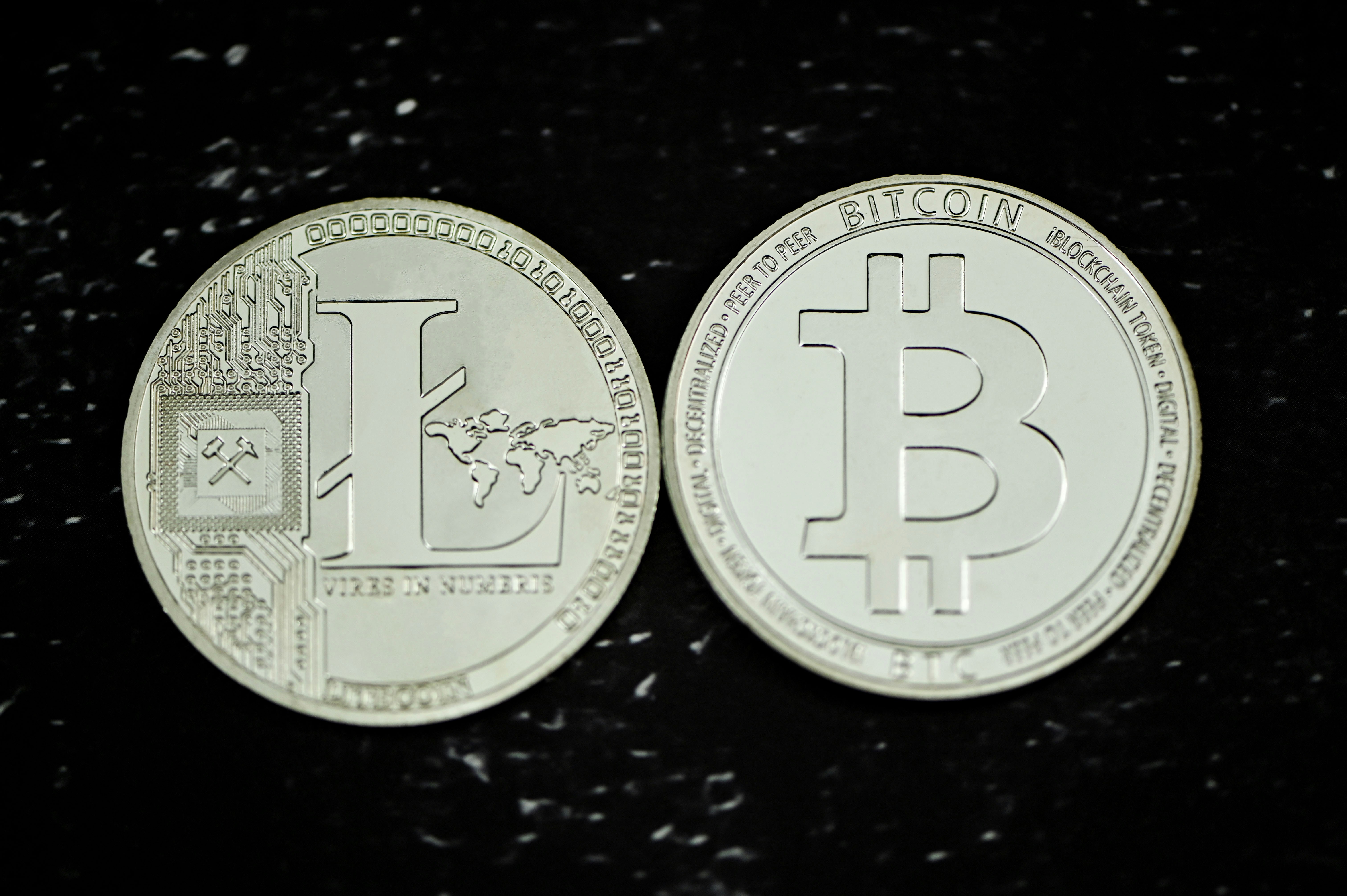
Litecoin (LTC), created by Charlie Lee in 2011, is often referred to as the “silver” to Bitcoin’s “gold.” This cryptocurrency was developed as a peer-to-peer payment network, designed to facilitate fast and low-cost transactions compared to traditional financial systems. Leveraging an upgraded version of the Bitcoin protocol, Litecoin introduces modifications like a reduced block generation time and a different hashing algorithm, which enhance its appeal among users seeking effective transaction solutions. As one of the earliest cryptocurrencies, it has established a significant niche within the broader digital currency landscape, serving as a viable alternative for investors and merchants alike.
The purpose of this market analysis is to provide an insightful overview of Litecoin’s current market dynamics, focusing on the signals, opportunities, and risks that are prevalent in the current climate. It is important to clarify that this analysis is not intended as an investment recommendation. Instead, it aims to summarize key indicators affecting Litecoin’s market performance, including price trends, trading volume, and external factors that may impact its value. Understanding these elements is vital for investors, traders, and enthusiasts seeking to navigate the often volatile cryptocurrency market.
Throughout this analysis, we will delve into the factors that contribute to Litecoin’s market fluctuations, exploring past performance and potential future trends. By doing so, we aim to equip readers with a foundational understanding of Litecoin’s position in the cryptocurrency market, enabling informed discussions on its viability as an investment option. The focus will remain on current market signals, while also discussing any inherent risks associated with Litecoin and the broader cryptocurrency ecosystem.
Recent Technical Indicators: A Positive Shift
The market dynamics of Litecoin (LTC) have witnessed a notable transformation in recent weeks, highlighted by significant technical reversal signals. Among the critical indicators employed by traders and analysts are the Relative Strength Index (RSI) and the Moving Average Convergence Divergence (MACD). These tools play an essential role in evaluating market momentum and potential recovery following periods of correction.
The RSI, a momentum oscillator, is pivotal in determining whether LTC is overbought or oversold, which can indicate imminent price corrections or potential reversals. Recently, the RSI for Litecoin has moved towards a level that suggests a possibility of oversold conditions, signaling that market participants may soon be presented with buying opportunities. Specifically, when the RSI dips below 30, it indicates increasing bearish sentiment, while levels above 70 can point to bearish corrections in an uptrend. The recent movements suggesting an upward shift in RSI indicate a positive sentiment among traders, thus signaling potential recovery momentum.
Complementing the RSI, the MACD has also showcased encouraging signs. This indicator operates by comparing the short-term and long-term moving averages of LTC prices. Observations of a bullish crossover in the MACD line can indicate heightened buying interest, thereby providing insights into potential price movements. As the MACD line crosses above the signal line, it typically suggests that upward price momentum may gain traction. Current trends indicate that LTC’s MACD has demonstrated a favorable crossover, lending credence to the recovery narrative and signaling that the overall market sentiment might be shifting positively.
In summary, the recent technical indicators, particularly the RSI and MACD, have portrayed a constructive outlook for Litecoin. Monitoring these critical metrics will be essential for investors aiming to navigate the complexities of the market effectively.
Fundamental Factors Supporting Litecoin
The cryptocurrency landscape is constantly evolving, and Litecoin (LTC) is positioned to leverage several fundamental factors that may enhance its market presence. One of the most significant developments is the anticipation surrounding the approval of a spot exchange-traded fund (ETF) related to Litecoin. The introduction of such an ETF would not only provide investors with a more convenient and regulated means to gain exposure to Litecoin but could also lead to considerable capital influx into the asset. This heightened interest from both retail and institutional investors would likely bolster Litecoin’s trading volume and price stability.
Moreover, the growing institutional interest in cryptocurrencies, particularly Litecoin, cannot be overlooked. Financial institutions and conventional investors are beginning to acknowledge the potential of digital assets, leading to increased adoption. This shift in perception is reflected in recorded investments in not just Litecoin but in a variety of cryptocurrencies. As institutions adopt Litecoin as a viable asset class, it enhances legitimacy and stabilizes its market presence, attracting further interest and investment.
Additionally, the fundamental innovations that characterize Litecoin, such as its faster transaction speeds and lower fees compared to Bitcoin, add another layer of support. Such advantages make Litecoin appealing for everyday transactions, reinforcing its utility as a means of exchange. The growing recognition of Litecoin as a practical alternative to traditional payment mechanisms continues to foster a fertile environment for its development.
In conclusion, the confluence of potential spot ETF approval and increasing institutional interest signals a strong foundation for Litecoin’s market growth. These elements not only encourage investment but also enhance the credibility and stability of LTC, further entrenching its position within the competitive crypto market landscape.
Growing Network Activity and Trading Volume
The increasing network activity and trading volume of Litecoin (LTC) have significant implications for its stability and potential for price growth. Over recent months, a noticeable uptick in transactions on the Litecoin network indicates that users are engaging more frequently with this cryptocurrency. This heightened activity can be attributed to various factors, including improved transaction speeds, scalability improvements, and growing adoption by merchants. As more users turn to Litecoin for their transaction needs, the demand and utilization of the network rise, reinforcing its viability as a payment method.
Moreover, the trading volume of LTC has seen an upward trend across various exchanges. Higher trading volumes are often indicative of increased interest from both retail and institutional investors. This surge can foster confidence in Litecoin’s market, as increased liquidity contributes to more stable price movements. When assets experience significant trading volume, they tend to withstand price volatility better, thereby attracting further investment. As traders and investors recognize the momentum in LTC, they may be motivated to partake in this growing market, thus creating a cycle of increased demand and market participation.
The relationship between network activity and price stabilization is essential to understand. As the number of transactions increase, it can signal stronger fundamental demand for Litecoin. This demand can act as a buffer against price declines, ensuring that the value of LTC remains resilient amid market fluctuations. Furthermore, a robust network paired with attentive community development elevates user confidence, fostering an environment conducive to gradual price appreciation. Such a pattern suggests that growing network activity and trading volume not only indicate the health of Litecoin’s ecosystem but also provide a solid foundation for future price potential.
Short to Medium Term Price Targets
The potential price targets for Litecoin (LTC) have garnered considerable attention from investors and analysts alike. In the context of a dynamic cryptocurrency market, establishing realistic price thresholds is crucial for informed trading decisions. Current analyses suggest that Litecoin could realistically aim for a price range of approximately $130 to $150 in the short to medium term. This prediction is based on various technical indicators and market sentiment.
To achieve these price targets, Litecoin must first navigate several key resistance levels. One significant resistance point lies around the $120 mark, where historical price action indicates a strong selling interest. Breaking through this level could lead to increased buying momentum, thereby pushing LTC towards the next resistance level at around $135. Ultimately, surpassing the $135 threshold would represent a critical step for Litecoin, potentially setting the stage for a surge towards the $150 mark.
In addition to overcoming these resistance levels, favorable market conditions will also play a pivotal role in LTC’s price trajectory. Factors such as overall market sentiment, regulatory developments, and macroeconomic indicators can significantly influence investor behavior and market demand. Moreover, sustained interest from institutional investors could provide the necessary support for LTC to reach and maintain its target price range. As the cryptocurrency landscape continues to evolve, monitoring these variables will be essential for those interested in Litecoin’s potential growth.
In conclusion, while the estimated price targets for Litecoin reflect optimistic potential, reaching the $130 to $150 range relies on pivotal resistance breakouts coupled with favorable market conditions. Investors should remain vigilant and informed as they navigate the intricate dynamics of the cryptocurrency market.
Analyzing Market Sentiment Around LTC
The market sentiment surrounding Litecoin (LTC) has been characterized by a mix of optimism and caution, influenced by various factors including recent price trends, technical signals, and broader market dynamics. Traders and investors have been closely monitoring LTC due to its historical significance as a leading cryptocurrency and its potential utility as a digital silver compared to Bitcoin’s digital gold status. Social media platforms and investor forums have become crucial in shaping perceptions of LTC’s desirability as they provide real-time insights into community sentiment and market trends.
Recent trends indicate a rising interest in Litecoin, particularly following the implementation of the Mimblewimble upgrade, which underscores the cryptocurrency’s commitment to enhancing privacy and scalability. This upgrade has positively impacted discussions within online forums, where many users express confidence in LTC’s long-term viability. The integration of privacy features has created a sense of renewed interest, particularly from those seeking improved anonymity while trading cryptocurrencies. As such, many market participants are reassessing their positions regarding LTC.
Moreover, technical analysis of LTC has reflected bullish signals, with several indicators pointing towards potential upward price movements. Traders have been utilizing support and resistance levels to gauge entry and exit points, and sentiment indicators such as the Fear and Greed Index highlight a shift towards optimism among investors. However, it is essential to acknowledge caution due to external market factors that may influence Litecoin’s price. Regulatory developments, technological advancements, and macroeconomic conditions continue to play a crucial role in shaping overall market sentiment. As a result, while enthusiasm for LTC persists, market dynamics inevitably necessitate a balanced perspective to navigate the associated opportunities and risks effectively.
Potential Risks Associated with LTC Investment
Investing in Litecoin (LTC) presents a number of potential risks that should be carefully evaluated by prospective and current investors. One of the most significant factors is market volatility. Cryptocurrencies, including LTC, are known for their price fluctuations. The value of LTC can change dramatically within short periods due to various factors including market sentiment, technological developments, and investor behavior. This inherent volatility can result in substantial gains but also significant losses, enforcing the necessity for investors to adopt sound risk management strategies.
Another prominent risk pertains to regulatory changes. The cryptocurrency market operates in a largely unregulated space, which poses uncertainty. Governments across the globe are formulating regulations that could impact the legality and utilization of digital currencies. Sudden announcements or legislative changes can instigate sharp price movements in LTC, making it crucial for investors to stay informed about global regulatory developments that could affect their investments.
External economic factors also pose risks to LTC investment. The broader economic environment, including inflation rates, interest rates, and economic downturns can significantly impact investor confidence, which in turn affects the market performance of Litecoin and its peers. Additionally, competition from other cryptocurrencies and technological advancements may impact LTC’s market share and utility, further affecting its price stability.
Investors must thoroughly assess these risks alongside their individual investment goals and the wider financial environment. This proactive approach to understanding the potential downsides associated with LTC investment will aid in making informed financial decisions amidst the market’s unpredictable nature.
Comparative Analysis with Other Cryptocurrencies
The performance of Litecoin (LTC) can be better understood through a comparative analysis with other major cryptocurrencies such as Bitcoin (BTC), Ethereum (ETH), and Ripple (XRP). These digital assets have significantly impacted the market, and comparing their key metrics allows for a clearer picture of LTC’s positioning and performance.
One of the primary metrics to consider is market capitalization. As of October 2023, Bitcoin remains the leading cryptocurrency by market cap, followed closely by Ethereum. Litecoin, traditionally regarded as a “silver” to Bitcoin’s “gold,” holds a smaller market capitalization. Its position, while notable, places it behind both BTC and ETH. However, LTC’s consistency in being among the top ten cryptocurrencies demonstrates its relevance and sustained interest among investors.
Price movement is another critical area of analysis. Over the past year, LTC has exhibited periods of volatility, similar to other cryptocurrencies. While Bitcoin and Ethereum often set the tone for market trends, Litecoin has occasionally mirrored their price movements, benefiting from the overall bullish sentiment in the cryptocurrency market. Notably, if Bitcoin experiences a significant uptick or decline, Litecoin frequently follows with some lag, reflecting a connective relationship within the broader cryptocurrency dynamics.
Adoption rates further elucidate the comparative standing of Litecoin. While Bitcoin is increasingly adopted by institutional investors, and Ethereum is celebrated for its smart contract capabilities, Litecoin has maintained relevance through its faster transaction times and lower fees. This efficiency has appealed to users seeking practical solutions for everyday transactions, allowing LTC to find a niche within the competitive landscape.
In summary, while Litecoin may not rival Bitcoin or Ethereum in market capitalization or widespread adoption, its unique advantages and consistent performance position it as a resilient choice among cryptocurrencies. Analyzing these facets offers valuable insight into LTC’s potential opportunities and the associated risks within the evolving digital asset ecosystem.
Conclusion: Summary of Key Findings
In examining the Litecoin (LTC) market, several signals have emerged that highlight both potential opportunities and risks for investors. The analysis has demonstrated that LTC exhibits a favorable position within the cryptocurrency landscape. Key indicators suggest that the asset has maintained a stable performance while showing signs of upward momentum, which could signify a bullish trend in the near future.
Particular price targets have been identified based on historical performance and current market dynamics. For instance, if LTC successfully breaks through resistance levels, it could aim for a significant price increase, offering investors potential profits. However, caution is advised; market volatility and regulatory changes remain substantial risks that could adversely affect Litecoin’s price trajectory. External factors, such as market sentiment and macroeconomic influences, should also be taken into account when gauging LTC’s future performance.
This analysis serves as a compilation of insights rather than definitive investment advice. It is imperative for readers to conduct their own research and consideration when making investment decisions. The Litecoin network continues to evolve, and while the prospects appear promising, the ever-changing nature of the cryptocurrency market necessitates diligence and informed decision-making. Awareness of both positive and negative indicators will equip potential investors with a more holistic understanding of LTC’s standing in the market. Engaging with reliable sources and staying updated on market trends will serve as valuable tools in navigating this dynamic landscape.