
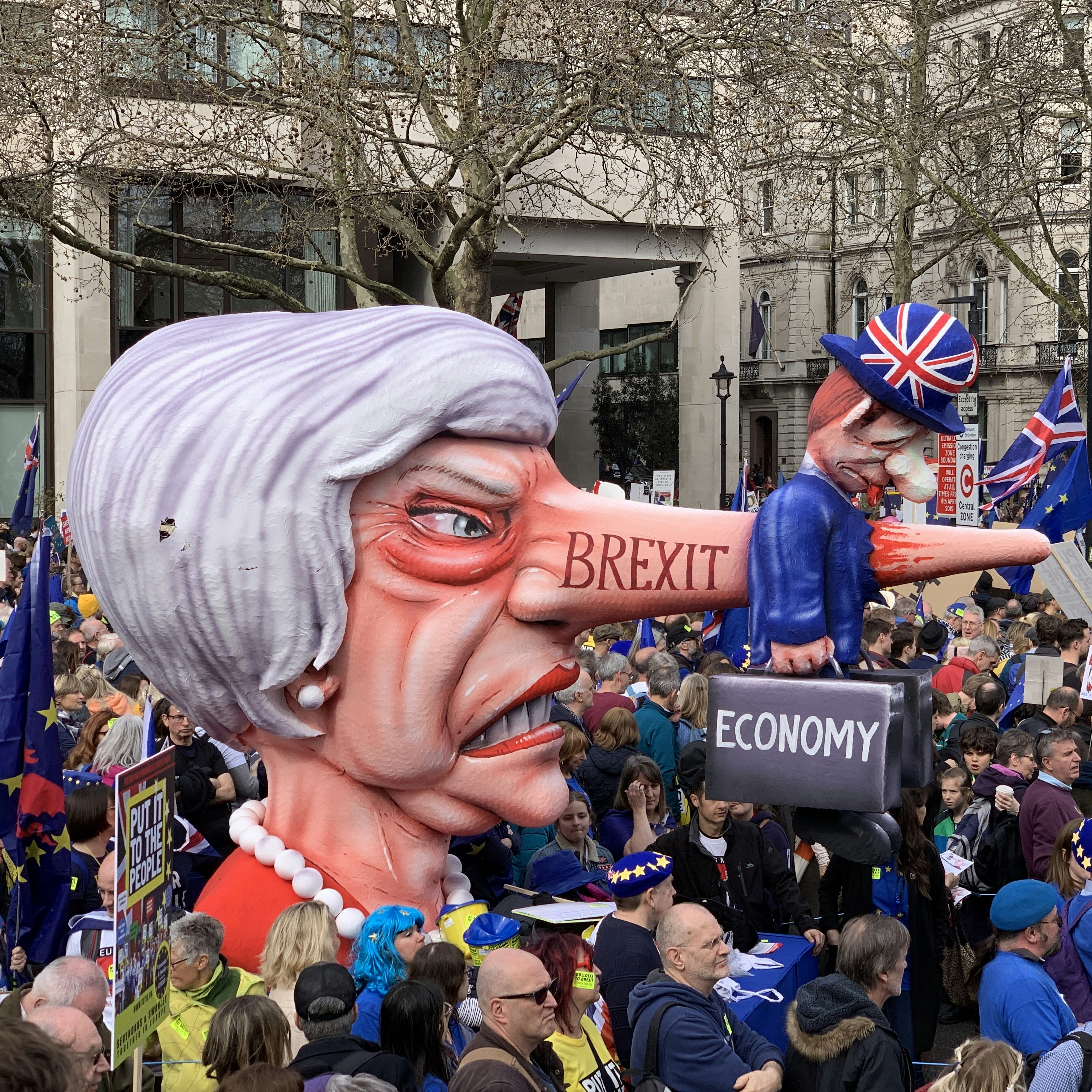
Brexit’s Lingering Impact on UK Trade and Labour
Since the United Kingdom’s departure from the European Union, the reverberations of Brexit have become increasingly evident in the UK economy. One of the primary consequences has been a significant reduction in trade with EU countries, estimated at around 20%. This decline stems from various new trade barriers that have been introduced, creating challenges for businesses that previously thrived under the EU’s single market and customs union.
Businesses are now faced with complex customs procedures, increased tariffs, and regulatory divergence, all of which complicate their operations. The heightened bureaucracy requires companies to allocate additional resources to comply with new import and export regulations, ultimately raising costs and affecting competitiveness. Moreover, many firms have reported delays in shipments and increased transit times, which can jeopardize relationships with European partners and affect supply chains. This contraction in trade volume not only impacts the involved businesses but also reverberates throughout the economy, influencing employment and growth prospects.
Another critical area impacted by Brexit is the labour market. The UK is currently grappling with a shortfall of approximately 330,000 workers, a deficit that can be attributed to tighter immigration controls and reduced movement of labour from the EU. Sectors heavily reliant on EU workers, such as agriculture, hospitality, and healthcare, have reported significant difficulties in recruitment. These shortages are hindering the recovery process post-COVID-19, as businesses struggle to find adequate personnel to meet demand.
The cumulative effects of these trade and labour challenges paint a complex picture for the UK economy’s recovery. As businesses adapt to the new trade environment and seek solutions to labour shortages, the long-term sustainability of growth remains uncertain. This scenario necessitates strategic responses from policymakers to address the market imbalances and facilitate economic resilience in the face of ongoing shifts resulting from Brexit.
Slow Growth Projections
The recent forecasts from the Organisation for Economic Co-operation and Development (OECD) for the United Kingdom point towards a rather disheartening economic outlook. The OECD has projected that the UK is likely to emerge as the least performing economy among the G20 nations, with the exception of Russia, during the period of 2023 to 2024. This assessment raises significant concerns regarding the growth trajectory of the UK economy, particularly in comparison to its global counterparts.
Several factors contribute to this pessimistic forecast. Primarily, sluggish productivity growth has been identified as a critical issue undermining the UK’s economic prospects. Over the past decade, the UK has grappled with low productivity levels, which have stalled improvements in wages and living standards. A lack of investment in skills, infrastructure, and technology has exacerbated these challenges, making it increasingly difficult for businesses to operate efficiently and compete on a global scale.
Moreover, systemic challenges such as inflationary pressures and trade disruptions also play a significant role in hampering economic growth. The ongoing adjustments following Brexit have introduced additional complications in trade relationships, further influencing the UK’s position in the global market. As businesses navigate these changes, uncertainty can hinder their ability to plan and invest, leading to a cautious economic climate.
Furthermore, geopolitical tensions and global economic shifts continue to pose risks to the UK’s recovery efforts. The interplay among these factors suggests that the UK may face a prolonged period of stagnation, barring immediate and impactful policy interventions. Addressing these underlying issues will be essential for creating a conducive environment for growth, stability, and increased productivity in the future.
Signs of Improvement: Consumer Confidence and Inflation Trends
Recent indicators suggest a gradual improvement within the UK economy, highlighted by emerging trends in consumer confidence and inflation rates. Consumer confidence, a key driver of economic activity, has shown noticeable signs of revival in the wake of challenging economic conditions. Surveys have indicated that households are becoming increasingly optimistic about their financial situations and the broader economic environment. This sentiment shift is significant, as higher consumer confidence typically correlates with increased household spending, which in turn fuels economic growth. As consumers express more willingness to make purchases, businesses may also benefit from sustained demand.
Moreover, the fall in inflation rates is an encouraging development that could further support household spending. Recent analyses highlight a decline in inflation, largely attributed to decreasing energy prices. Energy costs have a profound impact on household budgets, and as these expenses lessen, consumers may find themselves with more disposable income. This increase in purchasing power is critical in driving economic activity, particularly in sectors heavily reliant on consumer spending, such as retail and services. The anticipated drop in inflation rates, coupled with buoyed consumer confidence, may create a more favorable environment for economic recovery.
While these improvements should be approached with cautious optimism, they nevertheless provide a glimmer of hope for the UK economy. The interplay between rising consumer confidence and falling inflation presents an opportunity for a modest economic uplift. Although challenges persist, including lingering post-Brexit adjustments and external global economic pressures, these positive trends signify a potential shift toward stability and growth. Policymakers and businesses alike are monitoring these developments closely, recognizing the importance of fostering an environment that nurtures consumer confidence and mitigates inflationary pressures as the UK navigates its economic future.
The Path Forward: Balancing Challenges with Opportunities
As the United Kingdom navigates the multifaceted challenges posed by recent economic shifts, it becomes imperative to adopt a balanced approach that simultaneously addresses these hurdles while seizing potential opportunities. One of the most pressing tasks is to mitigate the ongoing impacts of Brexit, which has significantly altered trade relationships and labor mobility. Strategic policies aimed at enhancing trade agreements outside the European Union can help to bolster exports and attract foreign direct investment, which are essential for economic revitalization.
Furthermore, addressing the grim outlook provided by the Organisation for Economic Co-operation and Development (OECD) necessitates a commitment to fostering sustainable growth. In this regard, investing in green technologies and infrastructure projects could offer a dual benefit: stimulating the economy while also aligning with global sustainability goals. Creating jobs in renewable energy sectors not only supports employment but also positions the UK as a leader in tackling climate change—a growing concern on the international stage.
Consumer behavior has also shown signs of recovery, demonstrating a resilience that policymakers can capitalize on. By supporting initiatives that enhance consumer confidence, such as targeted tax reliefs or incentives for domestic spending, the government can encourage spending patterns that stimulate local economies. These measures could create a ripple effect that uplifts businesses, particularly small and medium enterprises that are vital to the UK’s economic fabric.
In conclusion, a forward-looking perspective on policy recommendations will be crucial for ensuring economic resilience and adaptability. Initiatives that prioritize trade diversification, sustainable growth, and consumer confidence can forge a path toward a robust recovery. By carefully balancing challenges with opportunities, the UK can navigate its economic landscape more effectively, emerging stronger in the face of adversity.