
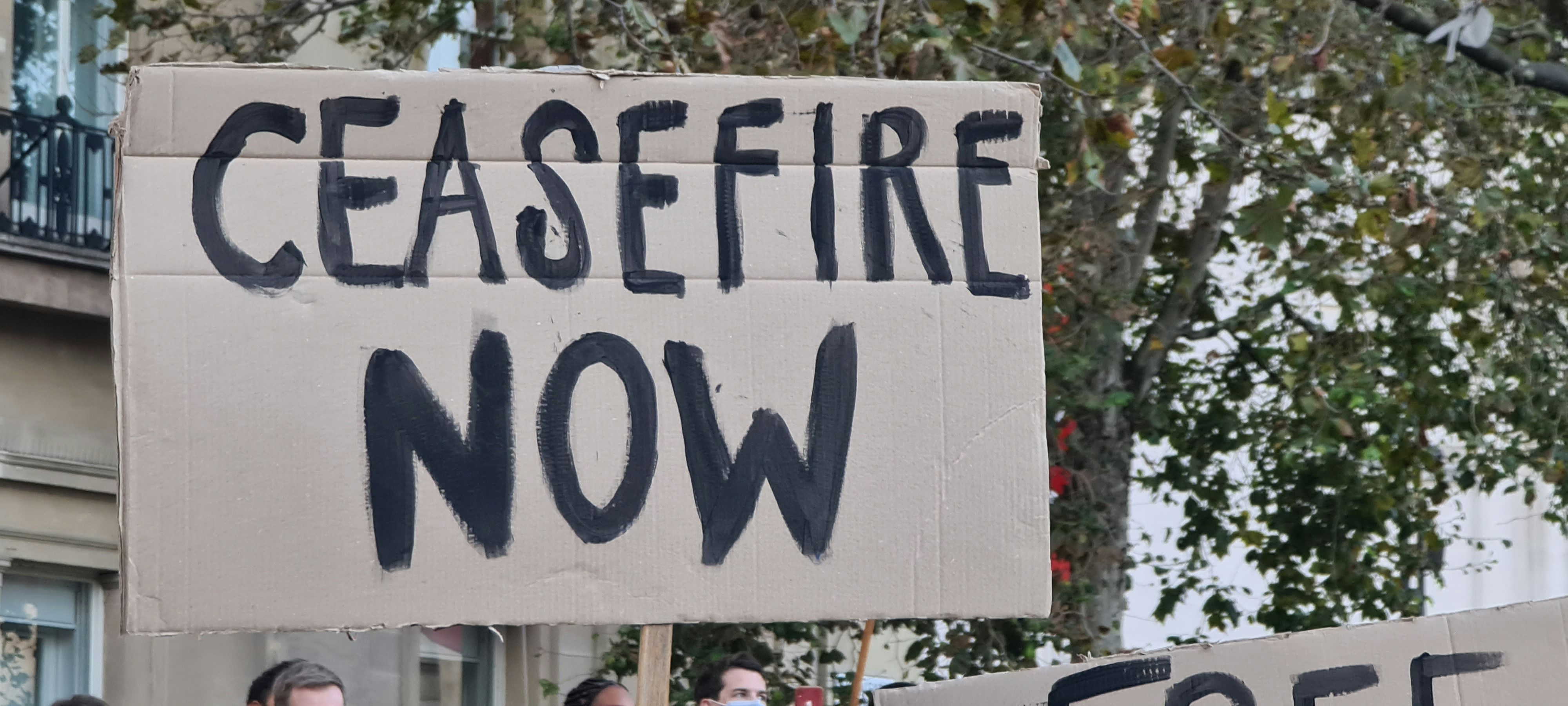
Overview of the Ceasefire Agreement
On December 17, 2025, the M23 rebel group announced their decision to withdraw from a strategic town in the Democratic Republic of Congo (DRC). This move follows the initiation of a U.S.-backed ceasefire aimed at reducing tensions in the region. However, the ceasefire has encountered several challenges, complicating the situation further.
Background on the M23 Group
The M23 rebel group emerged in 2012, claiming to represent the interests of the ethnic Tutsi population in the DRC. Over the years, they have been involved in numerous clashes with government forces, leading to significant humanitarian crises. As the ceasefire takes effect, the group’s withdrawal could signify a shift in their engagement strategy.
The Future of Peace in DRC
Despite the announcement of the M23’s withdrawal, the future remains uncertain. The ceasefire has not been universally embraced, and sporadic violence continues to erupt in various areas. Analysts urge that sustained international support and negotiations will be crucial to achieving a lasting peace. The situation in DRC serves as a reminder of the complexities involved in peacebuilding, especially in regions with deep-rooted conflict.