
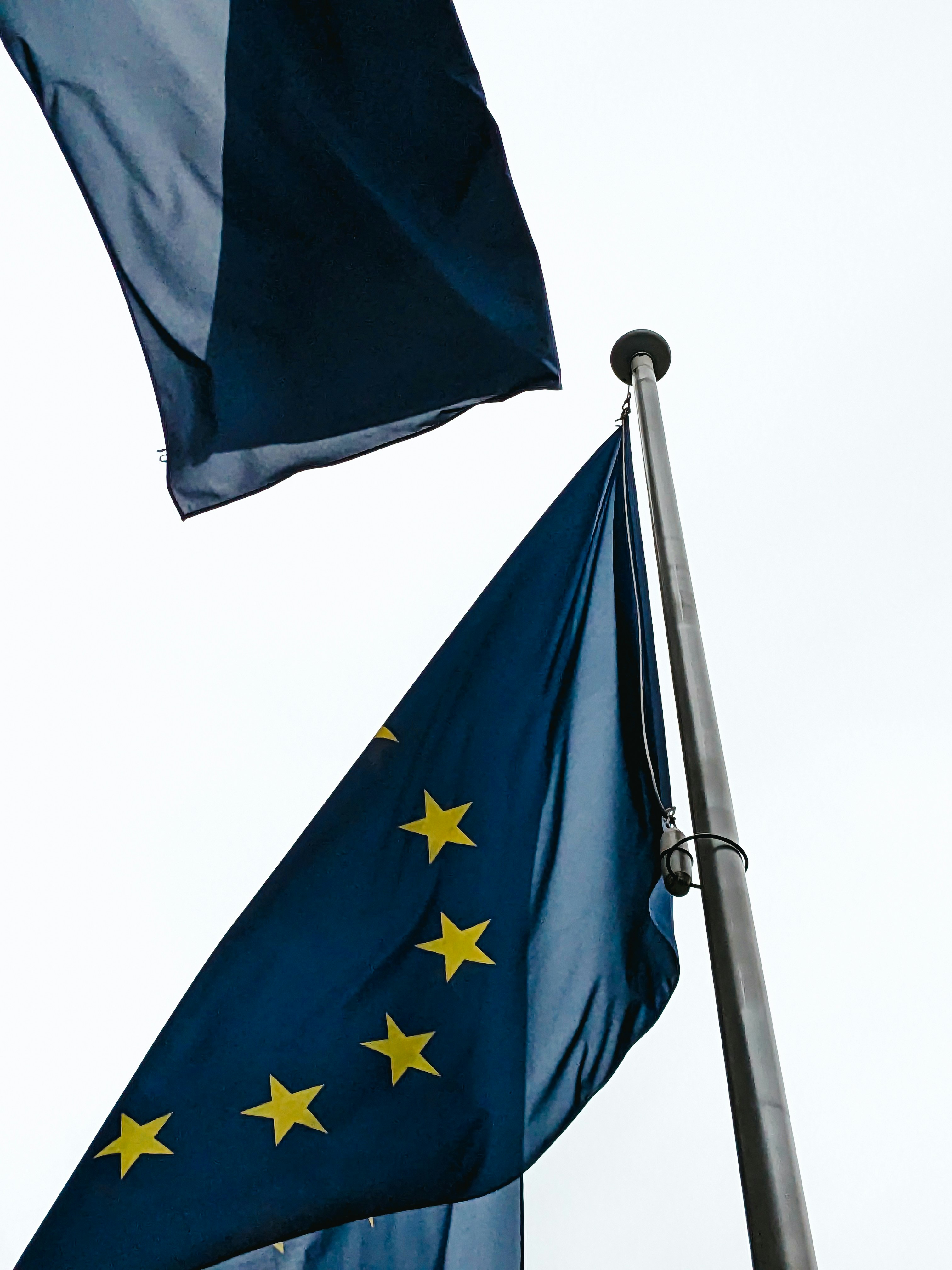
Introduction to Strategic Autonomy
In response to the evolving global landscape, French President Emmanuel Macron recently delivered a compelling speech in Paris, advocating for Europe’s ‘strategic autonomy.’ This call for independence comes in light of the new U.S. national security strategy, which Macron believes necessitates a reassessment of Europe’s defense posture.
The Need for an Independent Defense Force
Macron emphasized the imperative for Europe to develop its own independent defense capabilities instead of relying solely on the NATO security umbrella. He argued that a robust European defense force would not only enhance the security of EU member states but also elevate Europe’s position on the global stage. By investing in its military structures, Europe could respond more effectively to regional threats and instabilities.
Implications for NATO and European Unity
This shift towards strategic autonomy raises significant questions about the future of NATO and the unity within Europe. Macron’s vision suggests a more collaborative approach among European nations, aimed at pooling resources and expertise to create a self-sufficient defense strategy. The challenges posed by contemporary security threats demand that Europe reevaluate its defense policies, fostering an environment where collective security and cooperation take precedence.
In conclusion, President Macron’s call for strategic autonomy is a pivotal step towards ensuring that Europe can independently safeguard its interests in an increasingly unpredictable world. By championing the development of a cohesive European defense force, he inspires a renewed commitment to unity and resilience among EU member states.