
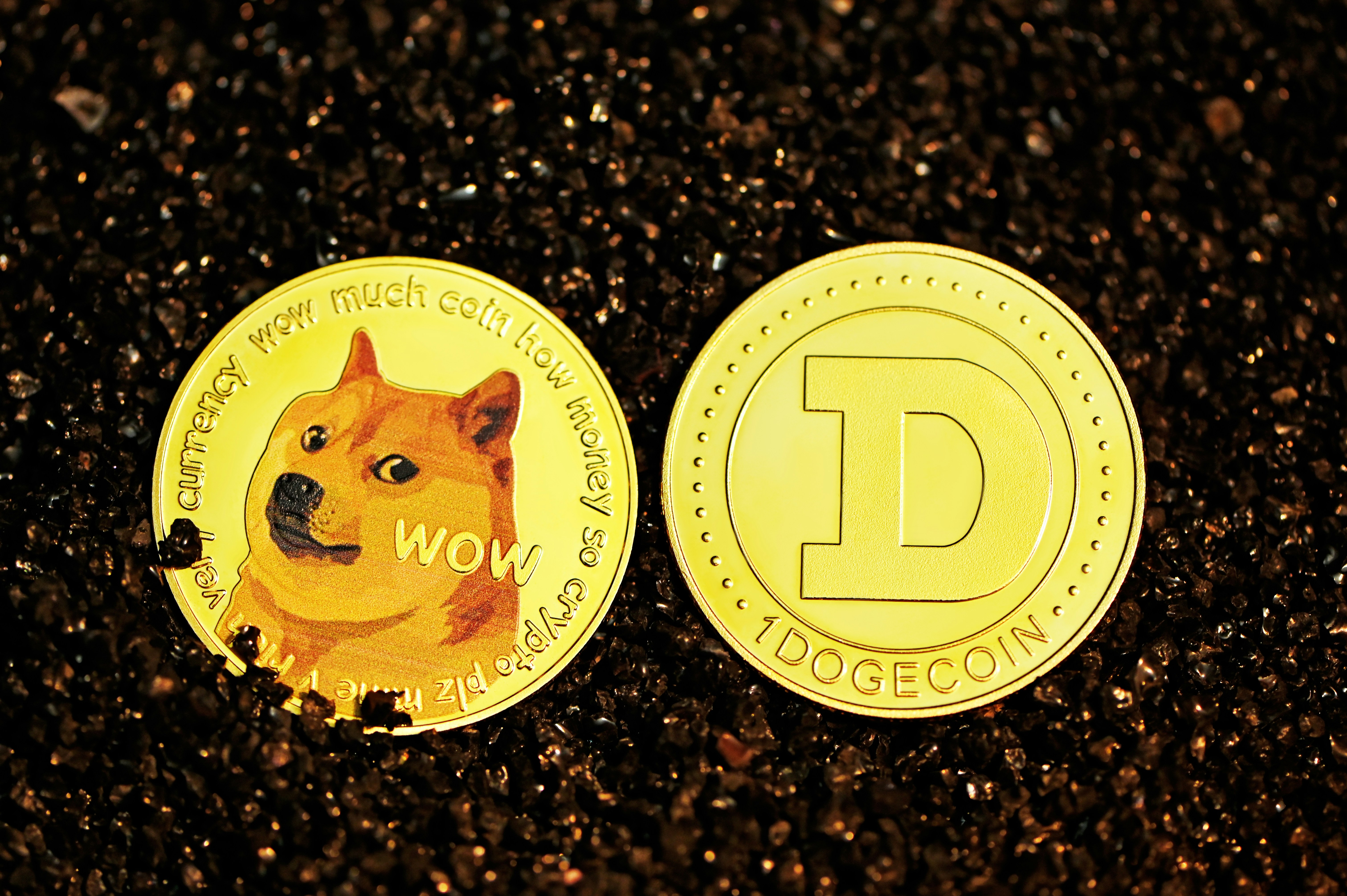
Introduction to Dogecoin
Dogecoin (DOGE) emerged in 2013 as a lighthearted alternative to Bitcoin, symbolized by the Shiba Inu dog from the popular “Doge” meme. Originally created by software engineers Billy Markus and Jackson Palmer, the objective was to develop a fun and approachable cryptocurrency that would break the mold of the often serious digital currency landscape. Its playful nature, coupled with an engaging mascot, attracted a diverse community, significantly contributing to its rise beyond mere novelty.
Over the years, Dogecoin has evolved from a meme coin into a notable entity in the cryptocurrency market. It stands out due to its unique community-driven ethos, which embraces inclusivity and philanthropy. From funding sports events to supporting charitable initiatives, the Dogecoin community has often utilized its currency for positive impacts, thus fostering a sense of loyalty and camaraderie among its users. The active engagement of its community members has propelled Dogecoin to the forefront of digital currencies, differentiating it from many of its more traditional competitors.
One of the key factors driving Dogecoin’s popularity is its low transaction fees and fast processing times, allowing it to serve as a viable medium of exchange for both everyday transactions and online tipping. Additionally, the cryptocurrency attracted significant attention in 2021 due to endorsements from high-profile figures, including Elon Musk, whose tweets spurred sudden spikes in DOGE’s price and market interest. As a result, Dogecoin has gained the status of an important player in the broader crypto environment, with a growing number of investors looking at it not just as a meme but as a legitimate asset class in its own right.
Technical Recovery Indicators
Dogecoin (DOGE) has recently demonstrated a notable technical recovery, primarily marked by its breakout from a symmetrical triangle pattern. This technical formation often signifies a point of decision in market momentum, where traders may anticipate significant price action following the breakout. The symmetrical triangle pattern itself is characterized by converging trend lines that indicate a period of consolidation. As Dogecoin emerged from this pattern, many market analysts interpreted the breakout as a bullish signal, suggesting that upward momentum could follow.
Furthermore, Dogecoin’s recent exit from its accumulation zone has attracted attention among investors and analysts alike. An accumulation zone is identified as a phase where buying pressure surpasses selling pressure, often resulting in price stability before a potential upward trend. The successful transition from this phase has been perceived optimistically, as it indicates strong demand for the cryptocurrency. Market observers are keen to monitor whether this upward momentum can sustain itself in the face of inherent volatility characteristic of the cryptocurrency market.
The combination of the breakout from the symmetrical triangle and the rise from the accumulation zone serves as a dual technical indicator of Dogecoin’s recovery. These developments can suggest renewed interest among traders looking to capitalize on potential price increases. Additionally, as speculations regarding price movements continue, the overall sentiment in the market for Dogecoin appears cautiously optimistic. Analysts will be vigilant in monitoring subsequent price actions to gauge the durability of this recovery, as it has significant implications for Dogecoin’s future performance.
The Launch of the ETF for Dogecoin
The recent launch of the Dogecoin exchange-traded fund (ETF), identified by the ticker ‘DOJE’, marks a pivotal moment in the realm of cryptocurrency investment. This initiative is poised to have significant implications for the overall market dynamics of Dogecoin (DOGE). By providing traditional investors with a regulated avenue to gain exposure to Dogecoin, the ‘DOJE’ ETF enhances accessibility and legitimizes this cryptocurrency in the eyes of institutional investors.
One of the most noticeable effects of the Dogecoin ETF will likely be an increase in capital inflows. With the ETF’s introduction, it is anticipated that institutional funds that may have previously shied away from direct investment in cryptocurrencies will now consider allocating resources toward Dogecoin. The structure of an ETF allows for more straightforward investment strategies, thereby lowering barriers to entry for institutions. As a result, this could lead to a new wave of capital investment, reinforcing Dogecoin’s position within the cryptocurrency market.
Moreover, the launch of the Dogecoin ETF signifies a broader acceptance of cryptocurrency as a viable investment option among its institutional peers. This shift is crucial as it contributes to the mainstream acceptance of Dogecoin. Many investors view the existence of an ETF as a validation of the asset’s value and stability, which may entice hesitant parties to enter the market. The increased recognition can prompt various financial entities to adopt Dogecoin as part of diversified portfolios, further stabilizing its price and enhancing overall market sentiment.
In conclusion, the introduction of the Dogecoin ETF represents a significant evolution in the cryptocurrency landscape. This development not only facilitates increased institutional investment in Dogecoin but also sets a precedent for the potential acceptance of other cryptocurrencies in similar investment structures.
Understanding Key Support Levels
In the realm of cryptocurrency trading, the establishment of key support levels is fundamental in guiding investment strategies. For Dogecoin (DOGE), the current support zone is identified around the price range of $0.22 to $0.25. This particular range serves as a crucial threshold for traders and investors alike, as it represents a significant psychological and technical point that can influence market behavior.
When the price of Dogecoin remains above the support level of $0.22, it signals a bullish trend and instills confidence among investors. Maintaining this support is essential for avoiding further downward momentum, which could lead to increased selling pressure and a potential fall below $0.22. Conversely, if the price stabilizes within the $0.22-$0.25 range, this consolidation can pave the way for upward price movement. Traders often monitor this zone closely, considering any bounce from this level as an opportunity for entry into the market.
Moreover, should the support levels hold effectively, it could initiate a rally that propels Dogecoin prices towards higher resistance levels, specifically the $0.30 to $0.32 ranges. The ability of DOGE to climb to these levels depends heavily on consistent buying pressure and favorable market conditions. A breach above the $0.25 mark could signify increased optimism in the market, attract further investments, and support an upward trend. This potential movement is particularly enticing for both short-term traders and long-term investors who are closely analyzing Dogecoin’s performance.
Thus, maintaining the support levels around $0.22 to $0.25 will be crucial in determining Dogecoin’s trajectory in the coming weeks, as these price points are key indicators of market sentiment and potential future rallies.
The Community and Brand Impact
Dogecoin (DOGE) has established itself as a notable entity within the cryptocurrency landscape, largely due to its unique branding and the unwavering support of its community. Often described as a ‘meme coin,’ Dogecoin’s image has become simultaneously a strength and a limitation. While the term ‘meme coin’ may suggest a lack of seriousness, it has cultivated a vibrant, engaged user base that fuels enthusiasm and loyalty. This enthusiastic community plays an essential role in shaping market sentiment, driving demand, and ultimately influencing price movements.
The brand recognition associated with Dogecoin can be attributed to its humorous origins and its mascot, the Shiba Inu dog. This endearing representation has captivated a broad audience, ranging from newcomers to seasoned investors. Social media platforms, particularly Twitter and Reddit, serve as hubs for Dogecoin discussions, where community members share information, express sentiment, and rally support for the cryptocurrency. The positive interactions fostered in these spaces contribute to the perception of Dogecoin as not just a speculative asset, but a symbol of camaraderie and shared purpose.
Community backing can significantly impact supply and demand dynamics within the Dogecoin market. When community sentiment is bullish, it often leads to increased buying interest, which can push the price higher. Conversely, negative sentiment may quickly lead to sell-offs. The power of the Dogecoin community also manifests during events or announcements, where collective actions, such as online campaigns or group buy-ins, can dramatically affect market trajectories.
In summary, the interplay between Dogecoin’s brand recognition as a meme coin and the passionate support of its community creates a unique market sentiment. This environment not only enhances demand but also stabilizes DOGE as a cryptocurrency that resonates with a wide audience, contributing to its ongoing relevance in the digital currency market.
Risks of Market Volatility
The trading landscape surrounding Dogecoin (DOGE) is characterized by significant market volatility, which poses various risks for investors. One notable risk involves the potential for sideways price movements, which can occur when there is a lack of strong demand or capital inflows. In such scenarios, Dogecoin may experience stagnant price performance, making it challenging for traders to realize profits. This phenomenon can lead to frustration among investors, particularly those who seek quick returns on their investments.
Another critical aspect of market volatility to consider is the risk of price corrections. If large capital inflows do not materialize, investors may witness downward adjustments in Dogecoin’s price, resulting from profit-taking or shifts in market sentiment. These corrections can be exacerbated by external factors, such as regulatory changes or adverse developments in the cryptocurrency sector, causing further instability in Dogecoin’s market performance.
The presence of ‘lower highs’ within price charts serves as a bearish signal and is closely linked to market volatility. This pattern indicates that the price of Dogecoin is unable to maintain upward momentum, thereby suggesting a weakening trend. For traders, the establishment of lower highs may prompt reassessment of their positions, increasing the likelihood of sell-offs as investors seek to mitigate losses.
It is also worth noting that Dogecoin’s price movements can be influenced by sentiment-driven factors, such as social media trends or endorsements from high-profile individuals. These factors can lead to sudden spikes in trading volumes, followed by equally rapid declines. As a result, understanding and adapting to the inherent volatility of the Dogecoin market is essential for investors aiming to navigate this dynamic environment effectively.
Limitations and Economic Model Concerns
Dogecoin (DOGE), originally created as a meme currency, operates on a unique economic model characterized by its infinite supply. Unlike traditional cryptocurrencies such as Bitcoin or Ethereum that feature a capped supply, Dogecoin’s economic structure allows for an unlimited number of coins to be mined. This fundamental difference raises several concerns pertaining to inflation and value retention. The absence of a maximum coin limit could potentially dilute investor interest over time, as an ever-increasing supply may lead to diminished value for holders.
Moreover, the reliance on community engagement and promotion is another distinguishing aspect of Dogecoin. While many successful cryptocurrencies prioritize robust technical applications and utility, Dogecoin heavily leans on community enthusiasm and social media presence for its growth. This dependence signifies a volatile nature; pricing and market movements can be significantly swayed by popular influencers and trends rather than intrinsic economic factors. Consequently, the fluctuations in price can be questioned against more stable investments which utilize technological advancements to enhance their use cases.
Additionally, the perception of Dogecoin as a mere meme currency can hinder serious investor engagement. The narrative around Dogecoin often emphasizes its lighthearted and fun nature, which can attract speculative investors but may deter those seeking dependable and utility-based investments. This dichotomy influences the overall market signaling for Dogecoin, leading to inconsistencies in long-term viability and economic stability. Ultimately, while the community-driven aspects of Dogecoin contribute to its popularity, they also highlight the limitations and risks inherent in its economic model, presenting challenges for its sustained growth in the competitive cryptocurrency landscape.
Risks of Losing Support Zones
The performance of Dogecoin (DOGE) is highly sensitive to fluctuations in market sentiment and macroeconomic conditions. A critical observation in the analysis of its recent trends is the significance of its key support zone, which currently sits between $0.22 and $0.24. This zone has acted as a formidable barrier against downward price movements, allowing the cryptocurrency to maintain its value even amidst broader market volatility. However, the potential loss of this support zone poses substantial risks to investors, both new and existing.
Should Dogecoin dip below this support range, the implications could be severe. Typically, a loss of support can lead to a cascade of sell-offs as traders rush to mitigate potential losses. This could create a psychological barrier for other investors who may fear further declines, resulting in an even more pronounced downturn in price. In the cryptocurrency market, where price swings are often exaggerated, this scenario may lead to a steep decline, impacting the overall market landscape for DOGE.
For new buyers, entering the market during such a precarious period could prove to be detrimental. Those who purchase Dogecoin after a drop below the support zone may find themselves facing significant losses if the price continues to decline. Conversely, current holders of DOGE may find themselves contemplating whether to hold or sell at a loss, further exacerbating market instability.
Therefore, it is imperative for investors to monitor these support zones closely and to remain aware of broader market influences that may contribute to shifts in market psychology. An informed approach to trading Dogecoin, with an emphasis on risk management and market signals, is essential to navigate the unpredictable nature of this cryptocurrency effectively.
General Market Sentiment Towards Dogecoin
In recent years, Dogecoin (DOGE) has experienced significant fluctuations in market sentiment, heavily influenced by a combination of investor behavior, social media trends, and the overarching dynamics of the cryptocurrency market. Initially introduced as a meme-based cryptocurrency, Dogecoin has garnered a dedicated community that actively supports its growth and adoption. The sentiment surrounding DOGE often reflects the broader crypto market’s performance, showcasing how interconnected these digital assets are.
Investor behavior plays a crucial role in shaping the sentiment towards Dogecoin. A growing number of retail investors have shown an increasing interest in DOGE, often propelled by speculative trading and the potential for high returns, especially during bullish market phases. This excitement among retail investors is frequently echoed on social media platforms, where discussions surrounding Dogecoin can rapidly gain traction. The influence of social media has proven invaluable, with platforms such as Twitter and Reddit acting as catalysts for both positive and negative sentiment, driving demand and, consequently, market prices.
Moreover, broader market dynamics also contribute significantly to the sentiment surrounding Dogecoin. The rise or fall of major cryptocurrencies, particularly Bitcoin and Ethereum, often has a ripple effect on altcoins, including DOGE. Market trends such as regulatory changes, technological advancements, and macroeconomic factors further influence sentiment, creating a complex interplay of elements that can shift investor outlooks. Overall, the current sentiment towards Dogecoin appears cautiously optimistic, as the community continues to engage actively and strategies for long-term sustainability and acceptance develop.
As Dogecoin navigates through this evolving landscape, the confluence of investor enthusiasm, social media engagement, and market trends will be pivotal in determining its future performance.





