
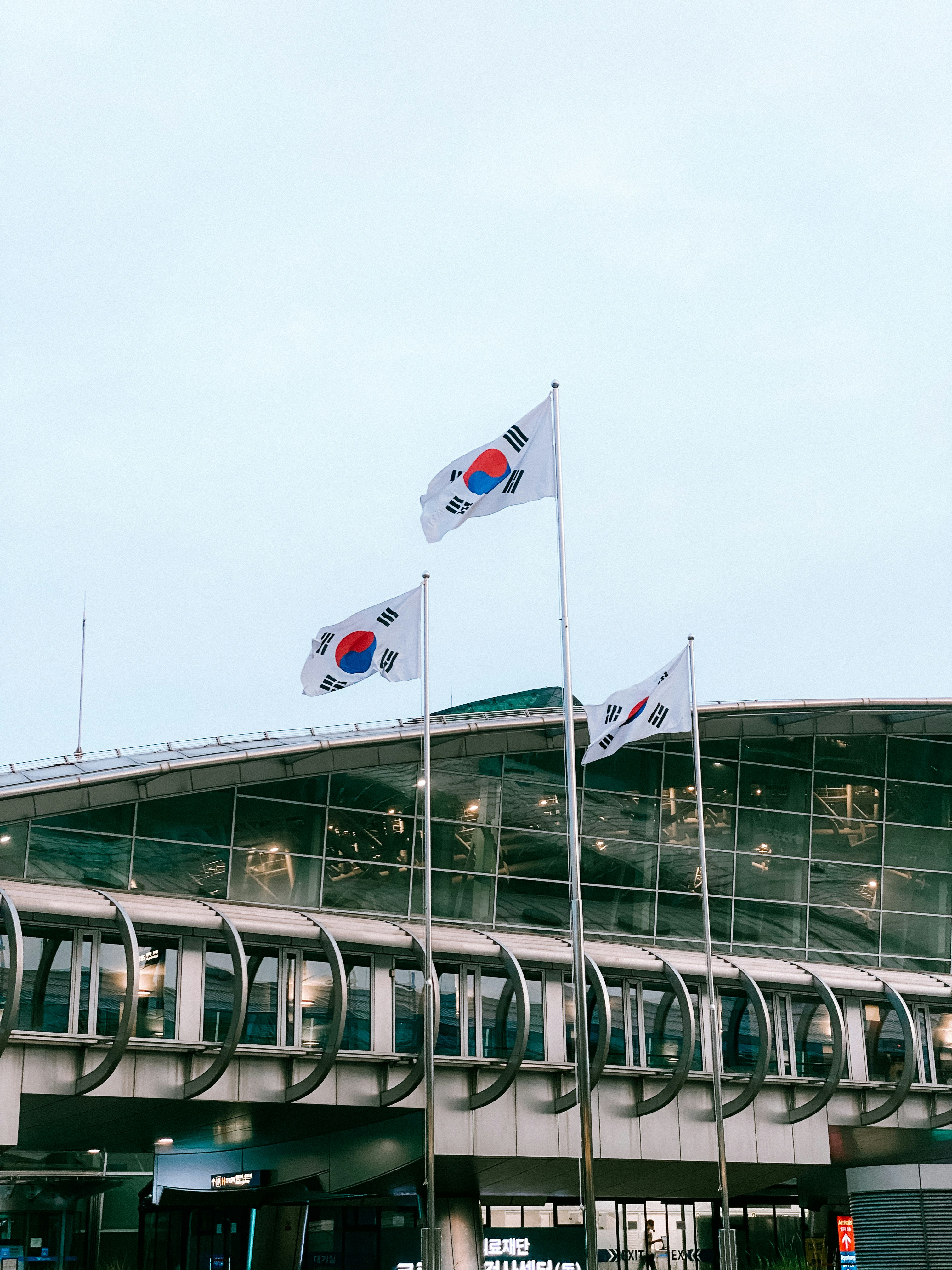
A New Era in South Korean Leadership
The political landscape in South Korea has significantly evolved with the leadership of President Lee Jae-myung. Taking office amid escalating tensions in the region, President Lee has adopted a diplomatic approach aimed at fostering constructive dialogue with neighboring countries, particularly China and North Korea. His administration seeks to recalibrate South Korea’s foreign relations, which are often characterized by historical complexities and geopolitical rivalries. By emphasizing diplomacy and collaboration, President Lee is attempting to navigate these intricate relationships to ensure national security and economic stability.
President Lee’s leadership style is notably characterized by his commitment to engagement. This is evident in his policies that encourage dialogue over confrontation. He has actively promoted the idea that mutual understanding and cooperation can pave the way for tranquility in the region. A pivotal aspect of his vision involves addressing the humanitarian concerns and economic disparities that have historically plagued relations with North Korea. By focusing on conflict resolution through empathy and dialogue, his administration aims to redefine South Korea’s interactions not only with its northern neighbor but also with China, recognizing Beijing’s influential role in the peninsula’s stability.
However, this new diplomatic overture does not come without its challenges. Domestically, President Lee faces significant pressure from opposition parties and public sentiment, which varies in its reception of closer ties with North Korea. There are concerns about national security and the risks associated with engaging a regime often perceived as unpredictable. Furthermore, the relationship with China adds another layer of complexity, especially as it fluctuates with economic and military developments in the region. Balancing these multifaceted relationships while addressing domestic political pressures will be a critical task for the Lee administration moving forward.
The Role of China in the North Korean Dialogue
China plays a pivotal role in the dynamics of North Korean discourse, acting as a significant ally to Pyongyang while simultaneously engaging in cooperative efforts with Seoul. As the most influential actor in the region, China’s strategic interests converge on maintaining stability on the Korean Peninsula, which directly affects its national security and economic prosperity. The Chinese government has historically attempted to balance its relationship with North Korea, often supporting its neighbor diplomatically and economically yet advocating for denuclearization to mitigate regional tensions.
In previous negotiations regarding the denuclearization of North Korea, China has acted as a facilitator, hosting multiple rounds of talks and encouraging dialogue among involved parties. The Beijing-led Six-Party Talks exemplified China’s commitment to addressing North Korean issues through multilateral diplomacy, emphasizing collaboration among regional powers, including South Korea, the United States, and Japan. China has consistently proposed engaged dialogue rather than outright confrontation, viewing diplomatic channels as essential for lasting peace and security in Northeast Asia.
Under President Lee Jae-myung’s administration, there is hope for renewed collaboration with China to resume constructive dialogue with North Korea. Lee’s approach involves leveraging China’s influence to foster an environment conducive to diplomatic engagement and economic partnerships. This strategy hinges on recognizing China’s dual role as both a North Korean ally and a potential mediator for South Korea’s security interests.
The complexities of the trilateral relationship among South Korea, China, and North Korea demand nuanced understanding and strategic maneuvering. As geopolitical landscapes shift, enhancing communication and trust-building measures is vital. The interplay of China’s aspirations for regional stability, North Korea’s pursuit of security guarantees, and South Korea’s ambitions for peace highlights the potential pathways for cooperation moving forward.
North Korea’s Position and Response to Diplomatic Efforts
In the context of ongoing diplomatic efforts by President Lee Jae-myung of South Korea, North Korea remains a complex actor within the geopolitical landscape of the Korean Peninsula and Northeast Asia. Historically, North Korea has exhibited a reactive stance towards cooperative overtures from both South Korea and China, often emphasizing its own security concerns while being wary of any external influences that could undermine its regime stability. This inclination towards isolation, rooted in decades of strained relations, shapes its current diplomatic posture.
As President Lee reaches out to China to resume dialogue, North Korea’s past responses illustrate a pattern of skepticism and conditional engagement. For instance, during previous summits, North Korea has at times welcomed dialogue but simultaneously issued demands, including a call for the lifting of sanctions and respect for its sovereignty. Such expectations underline Pyongyang’s desire for recognition as a legitimate state while seeking to safeguard its nuclear ambitions. This juxtaposition often complicates outcomes, as North Korea tends to view South Korea’s engagements with China through a lens of mistrust, interpreting them as potential threats to its autonomy.
Moreover, North Korea’s expectations regarding collaboration between China and South Korea pivot not only on economic considerations but also on military aspects. Its persistent isolationist policies, paired with its historical precedence of prioritizing self-defense capabilities, contribute to an overarching reluctance to fully embrace cooperative arrangements that may compromise its strategic aims. Consequently, while North Korea may articulate interest in fostering regional stability, such expressions are inherently cautious and often accompanied by reassertions of its commitment to its nuclear program. As these dynamics unfold, the challenges presented by North Korea’s isolationist stance will continue to pose significant barriers to achieving meaningful diplomatic progress in the region.
The Path Forward: Prospects for Triangular Cooperation
The future of relations among South Korea, China, and North Korea presents a complex landscape shaped significantly by the policies of President Lee Jae-myung. His administration’s approach to diplomacy is pivotal in determining the trajectory of triangular cooperation. Given the historical context of inter-Korean relations and the fluctuating dynamics of South Korea-China ties, the possibilities for collaboration hinge on strategic engagement and mutual interests.
One prospective scenario involves enhanced trilateral dialogues emphasizing economic cooperation and security collaboration. By fostering trade relationships and engaging in joint initiatives surrounding technological advancements, South Korea and China could find common ground while navigating North Korea’s role as a focal point. However, the unpredictable nature of North Korean politics adds an element of uncertainty; aligning their objectives with Seoul and Beijing’s aspirations will be challenging, particularly in the face of persistent sanctions and international isolation.
Another potential path forward hinges on the broader geopolitical landscape, notably U.S.-China relations. The ongoing tensions between these two superpowers profoundly affect South Korea’s strategic options. Should diplomatic efforts between the U.S. and China improve, there may be an opportunity for South Korea and China to align on North Korean denuclearization while alleviating regional anxieties. Conversely, a deterioration in U.S.-China ties could lead to heightened nationalism, reducing the likelihood of productive dialogue among the three countries.
Despite these prospects, significant obstacles remain, including differing national interests, historical grievances, and regional security concerns. The ongoing challenge lies in creating an atmosphere conducive to trust and dialogue. Nurturing this delicate balance will require patience and commitment from all parties involved. As President Lee Jae-myung navigates these intricate relationships, the potential for meaningful cooperation depends not only on local dynamics but also on the broader international context that governs East Asian politics.