
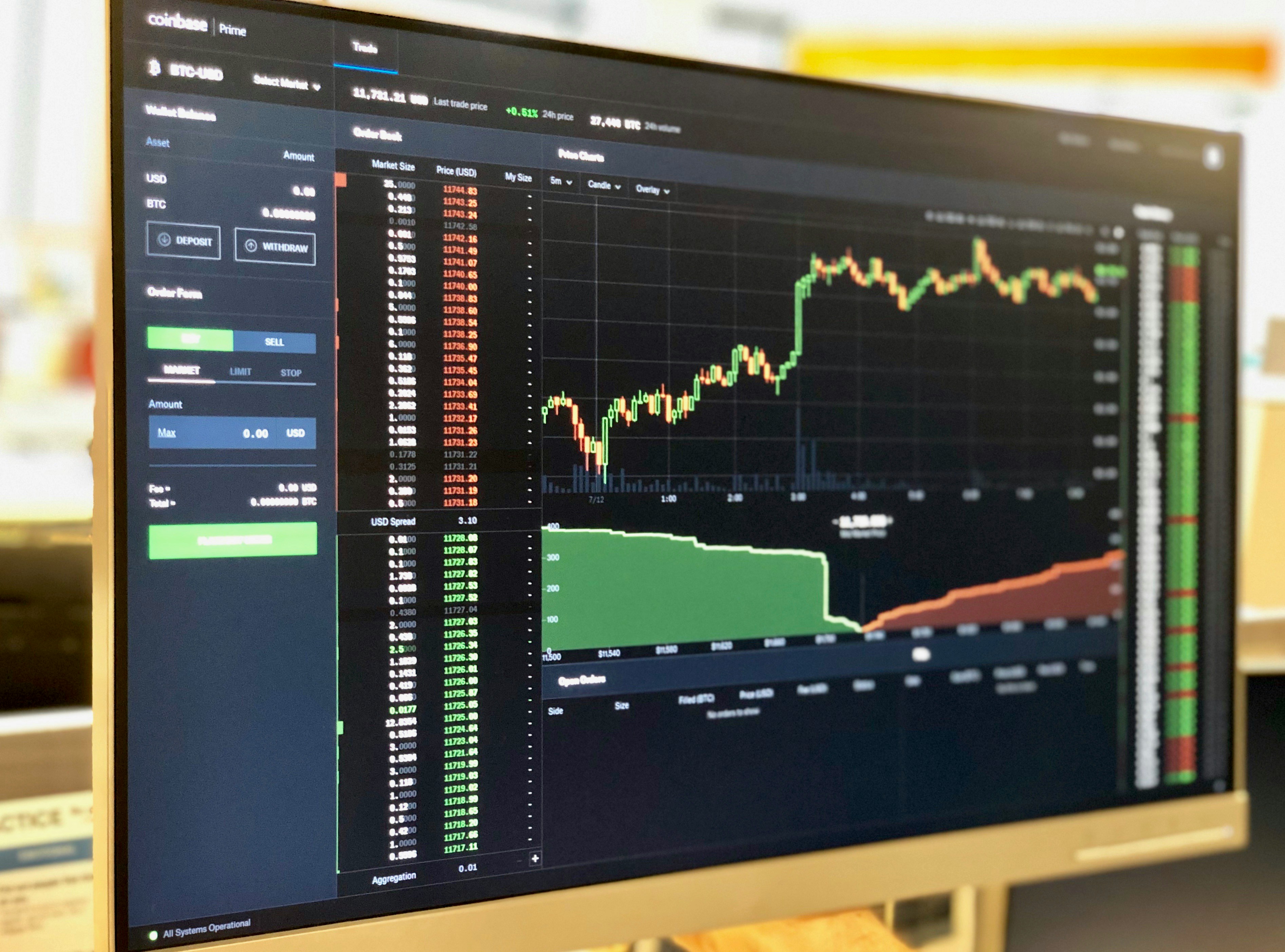
Understanding Bitcoin Market Volatility
Volatility, particularly in the context of the cryptocurrency market, refers to the rapid and significant price fluctuations that assets such as Bitcoin (BTC) experience over short periods. This characteristic is prevalent in the crypto sphere, driven by various factors including market sentiment, regulatory developments, technological advancements, and macroeconomic trends. Unlike traditional markets, where price changes tend to be more gradual and controlled, the cryptocurrency market operates with higher leverage and less market maturity, resulting in more pronounced price swings.
The inherent volatility associated with Bitcoin can be attributed to its relatively nascent status as a financial asset. Comparatively, traditional assets such as stocks or bonds often exhibit more stability due to established market mechanisms and investor behaviors. For instance, a news announcement regarding monetary policy may affect a stock’s price by a few percentage points. In contrast, a similar announcement can lead Bitcoin to experience fluctuations upward or downward by double-digit percentages in a matter of hours.
Several historical instances illustrate Bitcoin’s volatility. One notable example occurred in late 2017 when Bitcoin’s price soared to nearly $20,000, driven by speculative investment and a surge in public interest. Yet, this meteoric rise was followed by a steep decline in 2018, which saw its value drop to around $3,000. Another instance of volatility occurred in early 2021, prompted by significant institutional investments, pushing Bitcoin’s price to an all-time high of approximately $64,000, only to witness corrections shortly thereafter influenced by factors such as regulatory scrutiny and environmental concerns.
This unpredictable nature of Bitcoin not only presents opportunities for investment but also poses substantial risks. Understanding market volatility is crucial for investors as it can significantly impact their investment strategies and risk tolerance. As Bitcoin continues to mature, its volatility remains a key aspect that both new and seasoned investors must navigate with awareness and caution.
Current BTC Price Overview
As of October 19, 2025, Bitcoin (BTC) is trading at approximately $107,897. This price point is notable not only for its magnitude but also for its implications within the context of the broader cryptocurrency market. Over recent months, Bitcoin has exhibited significant volatility, with price fluctuations reflecting changing investor sentiments and various macroeconomic factors.
When we consider Bitcoin’s historical price movements, this current valuation marks a remarkable recovery from previous lows observed during bear market cycles. For instance, the performance of BTC over the past two years illustrates its resilience, especially when compared to the downturn experienced during the early part of 2023, where prices dipped below $20,000. The return to the $100,000 range indicates a renewed confidence among investors and could suggest a shift in market dynamics driven by increased institutional adoption and investor interest.
Furthermore, the psychological barrier of hitting the $100,000 mark cannot be overstated. The price level has historically served as a critical pivot point, influencing buying and selling activity. When Bitcoin exceeds this threshold, it often generates heightened media attention and speculative interest, potentially attracting new investors who may have previously been hesitant. In this regard, the current price of $107,897 could be indicative of a transitional phase where institutional investors are leading the charge, refining market sentiment towards bullish expectations.
In terms of current trading volume and patterns, this price level could also reflect an ongoing accumulation phase among long-term holders, which is often characterized by decreased volatility and less price manipulation compared to periods of speculative frenzy. As Bitcoin continues to evolve, understanding the nuances of its price behavior remains critical for both seasoned investors and newcomers to the cryptocurrency space.
Analyzing 24-Hour Volatility
The Bitcoin market is known for its rapid price fluctuations, and a close examination of its 24-hour volatility offers critical insights into its dynamics. Over the past day, Bitcoin has exhibited significant price swings, reaching a high of approximately $58,300 and a low of around $54,700. This variation of nearly $3,600 in a single day underscores the inherent volatility of cryptocurrency markets, which can be influenced by a multitude of factors.
One primary driver of this volatility in the Bitcoin market is the reaction to external news and events. For instance, announcements regarding regulatory changes, major institutional investments, or technological advancements can create waves of trading activity. In the last 24 hours, news reports about potential Bitcoin ETF approvals and statements from notable industry figures may have stirred investor sentiment, contributing to rapid buying and selling activities.
Additionally, social media trends and developments in the broader economic landscape can exacerbate fluctuations. Speculation fueled by platforms like Twitter often leads to rapid shifts in investor confidence. During this period, notable social media discussions regarding Bitcoin’s potential role as a hedge against inflation have likely played a role in driving the asset’s value higher amidst periods of uncertainty.
Moreover, market sentiment can shift quickly, often leading to a chain reaction where a single price movement can trigger further trades. This behavior is characteristic of a market influenced by both retail and institutional investors, who may respond to technical indicators or potential breakout points. The resulting volatility is a clear indicator of the current state of investor psychology and market conditions.
In conclusion, understanding the 24-hour volatility of Bitcoin provides valuable context for investors navigating this unpredictable market. Analyzing price movements, external factors, and market sentiment can equip traders with insights necessary for making informed decisions.
The State of the Cryptocurrency Market
The cryptocurrency market has experienced significant fluctuations in recent years, with the landscape shifting dramatically due to various external and internal factors. As of October 2023, there has been a notable decline in total market capitalization, reflecting a broader trend within the cryptocurrency ecosystem. This downturn has raised questions regarding the future viability of various digital currencies, including Bitcoin.
Several key factors have contributed to this decline. Firstly, regulatory scrutiny has intensified globally, with governments and financial institutions implementing stringent measures to govern cryptocurrency transactions. Such regulations have created uncertainty among investors, leading to a more cautious approach towards trading and investment in cryptocurrencies. Additionally, macroeconomic factors, including rising inflation rates and economic instability, have forced investors to reconsider their portfolios, often opting to liquidate positions in riskier assets like cryptocurrencies.
The sentiment within the crypto community is a mix of concern and resilience. On one hand, many investors express apprehension about the current market conditions, leading to a bearish outlook on future price movements. On the other hand, a solid subset of the community remains optimistic, advocating for the long-term potential of cryptocurrencies as legitimate financial instruments. They emphasize looking beyond short-term volatility to recognize the technological innovations and use cases that cryptocurrency provides, particularly in areas such as decentralized finance and blockchain technology.
Despite the prevailing challenges, the cryptocurrency market continues to attract attention from both retail and institutional investors. It is vital to observe the evolving landscape, as blockchain technologies and decentralized applications maintain significant relevance. Overall, while the current state of the cryptocurrency market presents hurdles, it simultaneously showcases opportunities for growth and innovation.
Factors Behind Recent Volatility
The Bitcoin market has recently experienced significant volatility, particularly noticeable with the sharp decline below $110,000. Several factors contribute to this heightened instability, which can be broadly categorized into market dynamics, investor behavior, and external influences. One of the prominent aspects is the impact of exchange-traded fund (ETF) outflows, which have contributed substantially to downward pressure on the market. As investors re-evaluate their exposure to Bitcoin, selling off their ETF holdings has led to increased selling pressure, exacerbating the overall price decline.
Another critical element affecting the market volatility is the behavior of large institutional investors, often referred to as “whales.” These entities possess the capacity to influence price movements significantly, and their recent profit-taking strategies have further accelerated the market’s downturn. When prominent investors decide to liquidate their holdings to realize profits, it leads to an influx of Bitcoin entering the market, which can overwhelm demand and drive prices lower.
Moreover, macroeconomic factors cannot be overlooked. Rising interest rates, inflation concerns, and geopolitical tensions have increased market uncertainty, prompting many investors to adopt a more cautious stance. The risk-off sentiment within the broader financial markets often spills over into the cryptocurrency space, causing traders to scale back their positions and reducing overall market liquidity. Together, these influences create an environment ripe for volatility, making it challenging for participants to navigate the marketplace effectively.
In summary, the recent volatility in the Bitcoin market is a multifaceted issue driven by ETF outflows, profit-taking by large investors, and broader economic considerations. Understanding these factors is crucial for anyone looking to engage with Bitcoin in this turbulent climate, as they provide insights into the prevailing market sentiments and potential future movements.
Technical Analysis of Key Price Levels
The Bitcoin market has experienced significant volatility in recent months, necessitating a deeper examination of its price action through technical analysis. Traders often rely on key price levels as indicators of potential market behavior, with particular attention paid to resistance and support areas. Two critical price levels currently being observed are the resistance at $115,000 and the support levels found between $108,000 and $109,000.
The resistance level at $115,000 serves as a psychological barrier in the market. Historical price movements indicate that this level has previously been tested multiple times, only to result in substantial retracements. When Bitcoin approaches this price point, traders tend to exhibit heightened caution, as it may indicate a potential reversal in trend. If Bitcoin successfully breaks through this resistance, it could signal a bullish momentum shift, leading to a possible rally beyond this threshold. Conversely, failure to maintain above $115,000 may prompt sellers to take control, resulting in downward price pressure.
On the other hand, the support level between $108,000 and $109,000 acts as a safety net for traders during downturns. This range has shown resilience in the past, with price action bouncing back from this area on several occasions. A breach below this support could unleash further selling pressure, indicating a more bearish trend for Bitcoin. Therefore, closely monitoring price movements at this level is crucial for identifying potential entry or exit points. Traders often set stop-loss orders just below this range to mitigate risk in the event of a market breakdown.
In conclusion, the technical analysis of these key price levels serves as an essential tool for traders navigating the current volatility in the Bitcoin market. Understanding how Bitcoin interacts with resistance at $115,000 and support around $108,000–$109,000 can provide valuable insights into potential market scenarios and inform trading strategies accordingly.
Impact of Macroeconomic Factors
The Bitcoin market is significantly influenced by a variety of macroeconomic factors that shape investor sentiment and affect market trends. Key among these are the U.S.-China trade tensions and the Federal Reserve’s signals regarding interest rates. As an emerging asset class, Bitcoin often reacts to broader economic signals, illustrating the interconnectedness between traditional and cryptocurrency markets.
U.S.-China trade tensions have long been a source of uncertainty within global financial markets. Ongoing disputes concerning tariffs, trade agreements, and intellectual property may contribute to increased volatility in Bitcoin prices. Investors often seek safe-haven assets during periods of heightened geopolitical risks. While Bitcoin is frequently touted as digital gold, it can also be susceptible to these macroeconomic headwinds. Heightened caution among investors may lead to reduced capital inflows into Bitcoin during rallies of trade-related uncertainty, resulting in price stagnation or even declines.
Additionally, the Federal Reserve’s policies regarding interest rates play a pivotal role in shaping market dynamics. For example, when the central bank signals intent to raise interest rates, it often leads to a stronger U.S. dollar, dissuading investment in riskier assets like Bitcoin. Conversely, a lowering of interest rates typically results in higher liquidity, driving investors towards alternative investments as they seek to maximize returns. This behavior creates a direct effect on Bitcoin’s appeal, either as a hedge against inflation or as a speculative asset depending on the prevailing interest rate environment.
In essence, both the U.S.-China trade relationship and Federal Reserve interest rate policies are crucial for understanding the cautiousness in investor behavior within the Bitcoin market. These external economic factors play a significant role in shaping the overall outlook and trends within the cryptocurrency ecosystem, further emphasizing the importance of broader macroeconomic conditions in the evaluation of Bitcoin as an investment.
Current Market Sentiment and Investor Behavior
The cryptocurrency market, particularly Bitcoin, has demonstrated significant fluctuations over recent months, resulting in a marked change in investor sentiment. Recent trends have revealed a growing wariness among traders, influenced heavily by emotions such as fear and greed. This psychological aspect of trading often dictates market movement, sometimes causing rapid price fluctuations that may not align with the underlying fundamentals of the asset.
During periods of high volatility, fear tends to dominate the market. Investors become apprehensive about potential losses, prompting many to sell off their holdings to mitigate risks. This fear-driven approach leads to increased market liquidity and can reinforce bearish sentiment, leading to further declines in the Bitcoin price. Conversely, during bullish phases characterized by price rallies, the sentiment shifts towards greed. Traders often feel euphoric about potential gains, which can result in irrational investing behavior, driving prices to unsustainable levels.
What Investors Should Consider
As the Bitcoin market experiences significant fluctuations, it is essential for investors to adopt a strategic approach before entering this dynamic arena. One of the primary considerations is risk management. Given Bitcoin’s notorious volatility, investors should determine their risk tolerance and establish clear limits on how much capital they are willing to allocate to this asset class. Employing stop-loss orders and diversifying investments across various cryptocurrencies can help mitigate potential losses.
Moreover, conducting independent research is crucial. The cryptocurrency landscape is continuously evolving, with technological advancements, regulatory changes, and market sentiment all influencing Bitcoin’s value. Investors should stay informed about market trends, news, and analysis from reputable sources. Engaging with community forums or following industry experts can provide valuable insights that may aid decision-making processes.
It is also vital for investors to recognize that Bitcoin and other cryptocurrencies can exhibit both rapid price increases and significant downturns within short time frames. This inherent volatility necessitates a thoughtful investing approach, avoiding impulsive decisions based on short-lived market sentiment. Understanding the underlying factors that drive Bitcoin’s price can enhance investors’ ability to navigate these fluctuations effectively.
Furthermore, maintaining a long-term perspective may prove beneficial in a market characterized by extreme volatility. By focusing on the long-term potential of Bitcoin rather than short-term price movements, investors may reduce emotional reactions to market swings. However, each investor’s circumstances and goals are unique; therefore, personalized strategies are recommended.
As a final note, it is essential to verify live exchange prices before making any investment decisions, as the cryptocurrency market operates continuously and can change rapidly. Understanding these dynamics is critical in developing an informed approach to investing in Bitcoin.
You might also like:
- The Impact of Pesticides on Bee Biodiversity: Understanding Brain Damage and Learning Impairments
- Manchester City Triumphs Over Liverpool: A Significant Step in the Title Race
- December 10, 2025: A Closer Look at Today’s College Basketball Matchups
- Exploring the World’s Leading Economy: A Deep Dive into the United States
- An In-Depth Look at the Japanese Financial Market Today