
Overview of the Recent Stock Market Performance
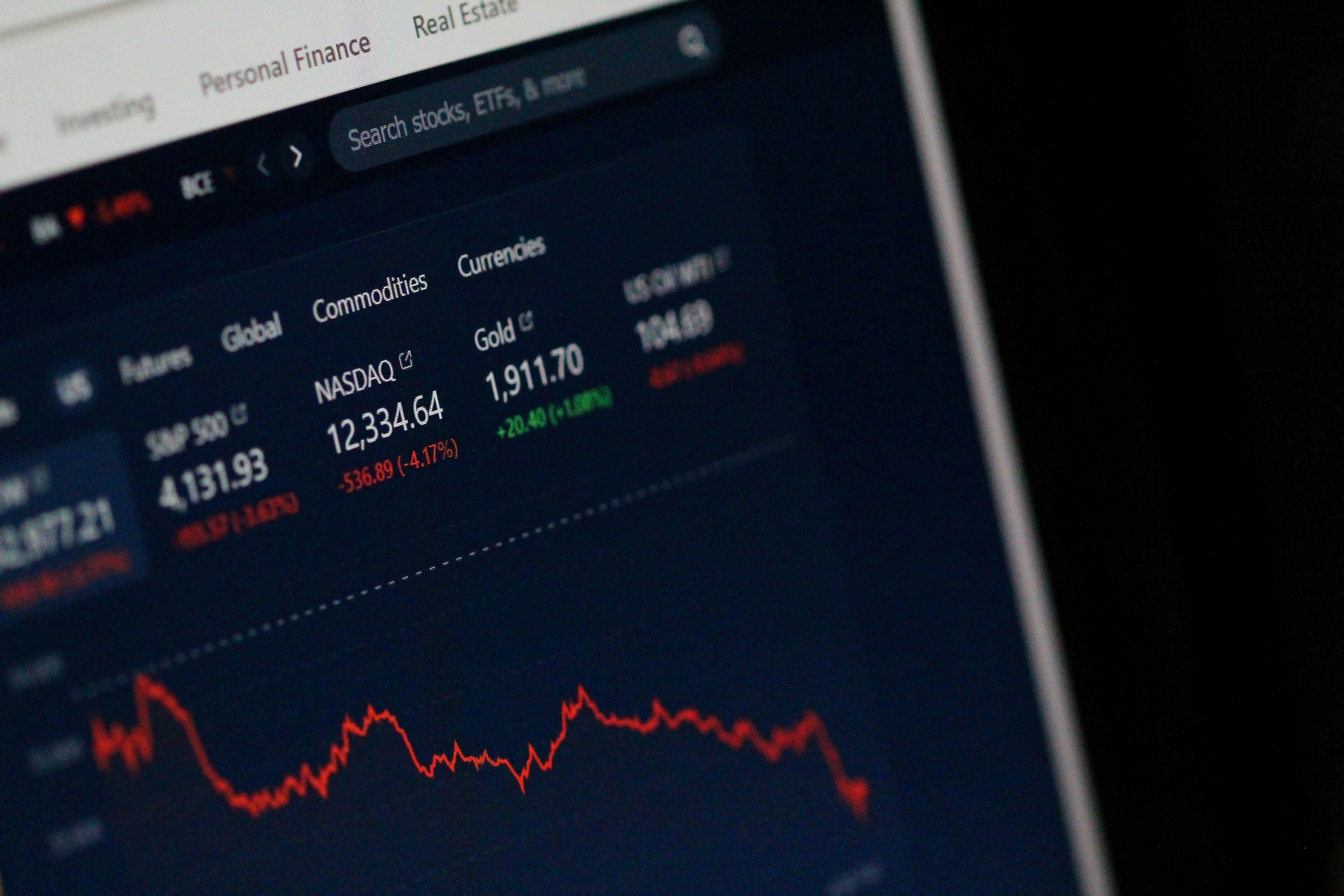
In recent weeks, the U.S. stock market has experienced a notable decline, recording the third consecutive day of losses. The major stock indices, including the S&P 500, the Dow Jones Industrial Average, and the Nasdaq Composite, have all felt the impact of this downturn. The S&P 500 has shown a significant decrease of over 4% in the past week, which mirrors the broader market trends influencing investor sentiments.
Comparatively, this performance marks a shift from the earlier bullish trend observed throughout the latter half of the previous year. Indicators suggested robust economic activity, leading to increasing optimism among investors. However, the recent downturn has raised concerns about sustainability, particularly as global economic factors begin to exert pressure on domestic markets.
Several sectors have contributed to this decline, with technology stocks leading the way as they grapple with heightened interest rates and inflationary pressures. These conditions have made it challenging for growth-oriented companies to maintain their previous valuations. Additionally, mixed earnings reports from major corporations have further unsettled investors, leading to increased volatility and trading activity in the stock market.
The current climate reflects mounting uncertainty, prompting analysts to re-evaluate forecasts and investment strategies. Factors such as geopolitical tensions, changes in consumer spending, and potential shifts in Federal Reserve policy are all playing critical roles in shaping market dynamics. Consequently, understanding these underlying forces is essential for comprehending the recent performance of U.S. stocks.
Profit-Taking Pressure: What It Means for Investors
Profit-taking is a common phenomenon in the financial markets, occurring when investors sell their securities after a period of notable gains to realize profits. This action is typically driven by a desire to lock in earnings and manage risk, particularly after asset prices have risen significantly. In recent months, the U.S. stock market has experienced noticeable profit-taking pressure, influencing several key sectors and impacting investor sentiment.
As markets rally, the likelihood of profit-taking increases; investors frequently reassess their positions to avoid unforeseen downturns. For instance, sectors that saw robust growth during the earlier stages of the economic recovery—such as technology and consumer discretionary—have been particularly vulnerable to profit-taking. Stocks in these sectors experienced significant price movements as investors capitalized on gains, leading to declines in stock prices and increased volatility.
This wave of selling pressure sends ripples across the market, affecting not only the stocks being sold but also related sectors and overall investor confidence. For short-term investors, this situation can be disconcerting as decline in stock prices can create a challenging trading environment. Conversely, long-term investors may view this as an opportunity to acquire undervalued stocks, especially if they believe in the fundamentals and long-term growth prospects of the companies involved.
In light of the recent fluctuations, understanding profit-taking dynamics is essential for investors. Recognizing when to take profits or endure turbulent periods can significantly impact investment strategies. Investors should closely monitor sector performance, market trends, and economic indicators to navigate these fluctuations adeptly. By doing so, they can make informed decisions that align with their respective investment horizons and risk appetites.
The Fed’s Interest Rate Trajectory and Its Impact
The Federal Reserve’s interest rate policies play a significant role in shaping the dynamics of the financial markets, particularly in relation to stock prices. Recently, the Fed has hinted at a more aggressive stance regarding interest rate hikes due to inflation concerns, with implications that have unsettled both investors and economists alike. Interest rates impact economic growth directly, as heightened rates typically lead to increased borrowing costs for consumers and businesses, which can, in turn, slow down spending and investment activities.
A core aspect of the Fed’s communication strategy involves signaling its intentions regarding future interest rates. Specifically, the central bank’s adjustments to the federal funds rate impact the overall cost of capital, influencing sectors reliant on credit. For example, the technology and real estate sectors often react sharply to rate changes, given their dependency on borrowed funds for expansion and development. As rates rise, these sectors can experience a decline in valuations, which contributes to the broader market’s downturn.
Moreover, the Fed’s interest rate trajectory also affects inflation expectations and investor sentiment. High-interest rates often signal that the Fed is determined to contain inflation, which may lead to concerns about economic growth. When investors perceive that the Fed may be prioritizing inflation control over economic expansion, it can trigger a reduction in market confidence, further exacerbating stock price declines. This tension between controlling inflation and fostering economic growth is a delicate balancing act for the Federal Reserve, with significant repercussions for market stability.
As the market digests the implications of the Fed’s statements and actions, understanding the Fed’s future interest rate trajectory is crucial for investors aiming to navigate the volatile landscape of U.S. stocks. Keeping an eye on the Fed’s policy outcomes can provide valuable insights into market behavior, as stocks often react swiftly to changes in interest rates and the economic environment they engender.
Looking Forward: Market Predictions and Strategies
As investors navigate the uncertainties that arise from the recent decline in U.S. stocks, predictions regarding future market performance become increasingly important. Analysts are closely monitoring various indicators that could shape the market trajectory. One key area of focus is the ongoing inflationary pressures and how the Federal Reserve’s interest rate policies will respond. Should inflation rates continue to trend higher, expectations may emerge for additional rate hikes, which could further dampen investor sentiment.
Another aspect to consider is the historical trend of profit-taking following significant market rallies. Many analysts believe that with the recent surge in stock prices, profit-taking was inevitable, leading to some of the declines witnessed. Looking ahead, investors must assess whether this pullback is a temporary correction or a more significant shift in market dynamics. This analysis could guide strategic decisions on portfolio management.
In light of these considerations, various strategies may be applied by investors to navigate the fluctuating market landscape. For those who lean towards a conservative approach, holding onto established positions may be prudent. This strategy could allow for recovery amidst volatility while preserving potential long-term gains. Conversely, short-term traders may find opportunities in the fluctuations, practicing a strategy of buying on dips to capitalize on market rebounds.
Additionally, diversification remains crucial. Investors might consider reallocating assets into sectors that have historically fared better during times of market decline, such as utilities or consumer staples. By spreading investments across various sectors, the risks associated with an overall market downturn can be mitigated.
Ultimately, staying informed and responsive to market changes will be essential for investors. Analyzing economic indicators, sector performance, and adjusting strategies accordingly will help adapt to the changing landscape. As we look forward, a measured yet proactive approach could enable investors to effectively navigate potential challenges.
You might also like:
- What to Expect from Microsoft Ignite 2025: Insights and Innovations
- 20 Movie Special Outcomes That Are No longer CGI By some means
- Understanding the Market Dynamics of Platinum and Palladium
- Teach blocks Trump’s govt teach to total federal funding for PBS and NPR
- Jessie Buckley: Golden Globe Winner for Best Female Actor in a Drama
