
Overview of Global Stock Market Trends
The global stock market is a complex web of interconnected indices, influenced by a multitude of factors ranging from economic indicators to geopolitical events. Investors often look to these markets as a barometer of economic health, and as such, understanding the nuances of regional trends is essential for making informed decisions. In the current landscape, we observe significant disparities across various regions, which can greatly affect investor confidence and market performance.
One notable factor that drives regional differences is economic growth rates. For instance, emerging markets may exhibit rapid growth compared to more developed economies, attracting investors seeking higher returns. Conversely, mature markets like the United States and Europe may reflect more stability, albeit with slower growth rates. This divergence often leads to varied investor behavior, as some may prioritize risk over stability, while others adopt a more conservative approach.
Additionally, regional political climates can significantly impact market dynamics. For instance, elections, regulatory changes, and trade agreements can lead to fluctuations in stock prices, as investors react to perceived risks and opportunities. Awareness of these factors is critical for investors looking to navigate the global stock market effectively and capitalize on potential opportunities.
Understanding regional indices is particularly crucial in a globalized market. These indices serve as indicators of economic health and investor sentiment in their respective regions. By analyzing regional performance, investors can gain insights into broader market trends and make informed choices regarding asset allocation. The upcoming sections will delve deeper into specific trends observed in regions such as the U.S. and Europe, highlighting the significance of a regional perspective in the global stock market landscape.
U.S. Stock Market Developments
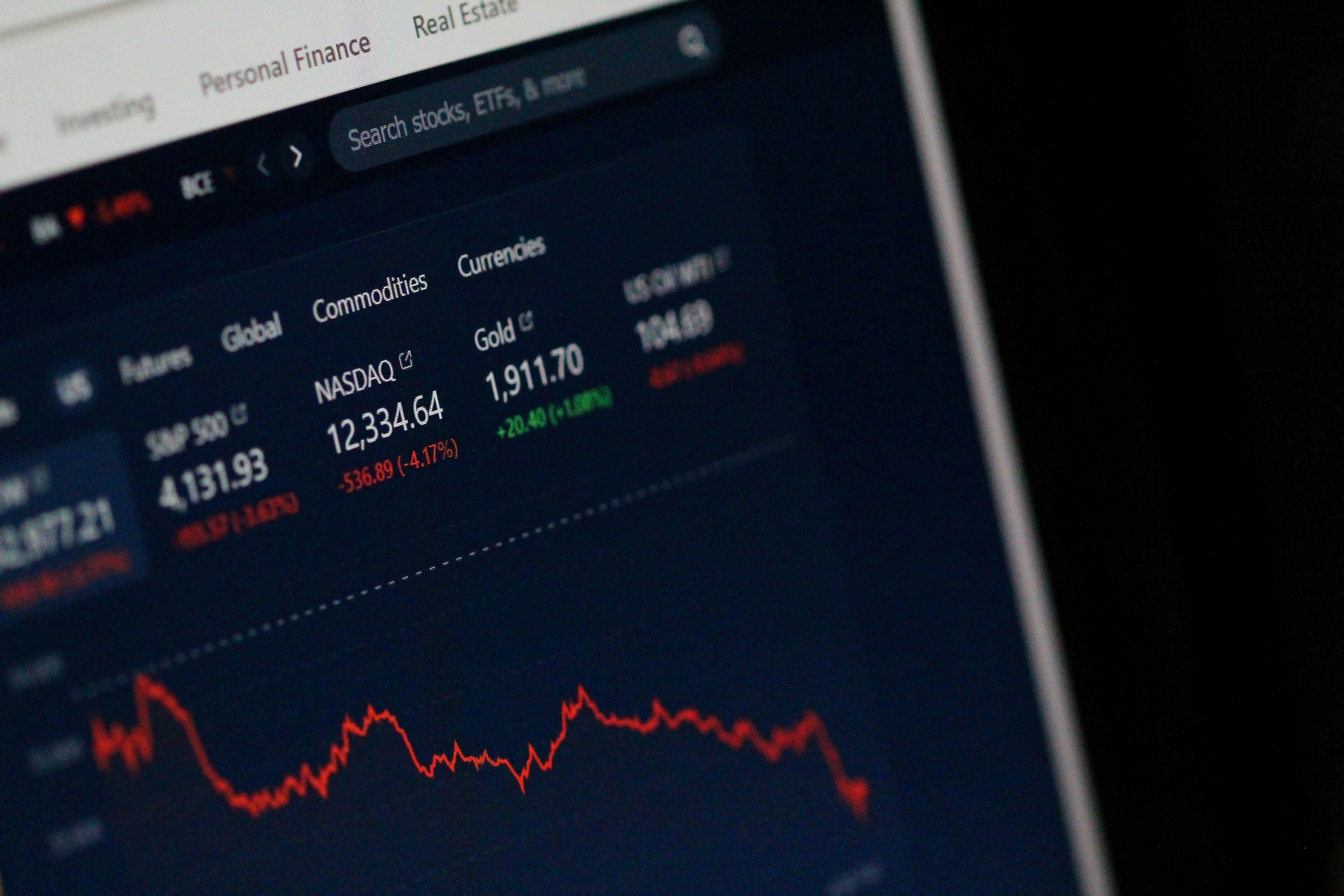
The U.S. stock market has encountered substantial fluctuations in recent months, highlighted by the contrasting performances of key indices such as the Dow Jones Industrial Average and NASDAQ. The Dow Jones has demonstrated resilience, largely fueled by the performance of traditional sectors including energy, financials, and healthcare. These sectors have benefitted from robust economic data, particularly indicating steady job growth and improving consumer confidence. As inflationary pressures begin to ease, investors have shown renewed interest in these established industries, culminating in an upward trajectory for the Dow.
Conversely, the NASDAQ composite index has faced significant challenges, primarily due to the broader technology sector’s downturn. Concerns surrounding regulatory scrutiny, inflation hikes, and rising interest rates have created a challenging environment for tech stocks. The heightened market volatility, driven partly by geopolitical uncertainties and supply chain disruptions, has further compounded the difficulties experienced by NASDAQ constituents. This decline reflects a broader market sentiment where investors exhibit caution, particularly towards high-growth technology equities that were once the darlings of the pandemic-era bull market.
Recent economic indicators, such as manufacturing activity and consumer spending, suggest a mixed outlook. While certain areas of the economy are performing strongly, the tech sector remains increasingly sensitive to external pressures, such as government policy changes and international market dynamics. As a result, the divergence between the performance of the Dow and NASDAQ serves as a crucial reflection of shifting investor priorities and market trends. Understanding these dynamics will be essential for navigating investment decisions and anticipating future market movements, especially as we move into a new economic landscape.
European Market Trends: A Closer Look
The European stock market is characterized by a diverse landscape of regional indices, each exhibiting distinct trends, which can be significantly influenced by local political and economic factors. In recent years, European indices such as the FTSE 100 in the UK, the DAX in Germany, and the CAC 40 in France have shown varying degrees of performance when compared to their U.S. counterparts, such as the S&P 500 and the NASDAQ. The divergence in these performances reflects not only local economic conditions but also the prevailing geopolitical environment across Europe.
Economic indicators such as GDP growth rates, unemployment figures, and consumer confidence levels play crucial roles in shaping investor sentiment within the European market. For instance, recent data indicated a resurgence in certain sectors, particularly technology and renewable energy, signaling a shift in investment priorities among European investors. However, ongoing political uncertainties, including issues surrounding EU integration and individual nation-state policies, have often led to volatility and caution among market participants.
One critical area of focus within European markets has been the impact of the European Central Bank’s (ECB) monetary policy. The ECB’s decisions on interest rates and quantitative easing have had a pronounced effect on liquidity and, subsequently, stock valuations across the continent. In contrast to the aggressive monetary policies witnessed in the U.S., the ECB’s more conservative approach has influenced market dynamics, particularly in terms of bond yields and equity market performance.
Moreover, European stocks have shown responsiveness to global market trends, often acting in correlation with significant international events such as trade negotiations and geopolitical tensions. These trends indicate a complex interplay between local factors and overarching global influences, presenting a unique set of challenges and opportunities for investors navigating the European stock landscape. Understanding these trends is essential for making informed investment decisions in a rapidly evolving global market.
Regional Variations and Future Outlook
The global stock market landscape has been increasingly influenced by regional variations, reflecting differing economic conditions, regulatory environments, and investor sentiments. As we analyze trends in the U.S. and European markets, several implications for future performances in these regions come to light. Despite a shared economic environment, the stock markets in these regions exhibit unique characteristics that could dictate varying trajectories in the months ahead.
For instance, the U.S. market has shown resilience, buoyed by robust consumer spending and strong corporate earnings, which may lead to sustained performance. Nevertheless, as inflation concerns persist, investors should remain vigilant about potential market corrections that could arise from overvaluation or sudden shifts in monetary policy. Conversely, European markets are currently navigating challenges such as geopolitical tensions and diverse economic recoveries among member states. These factors provide a complex backdrop that could result in sporadic growth and volatility.
Geopolitical factors across different regions will likely continue to play a significant role in shaping stock performance. Events such as trade agreements, political stability, and international relations can introduce both opportunities and risks for investors. As these variables evolve, the preferences of investors may also shift, leaning towards sectors that promise resilience against global uncertainties or adopting a more diversified approach to mitigate risks.
In examining the future, investors are increasingly aligned with trends that emphasize sustainability and technological integration. These trends reflect a broader shift in priorities, with a growing focus on ethical investing and sectors poised for growth in the green economy. As such, aligning investments with these evolving preferences becomes crucial for navigating the regional nuances that will define future stock market performances.
In conclusion, while the outlook may seem uncertain, understanding regional variations and their implications can guide investors in making informed decisions. By assessing current trends and potential disruptions, one can better position oneself for the future dynamics of the global stock market.