
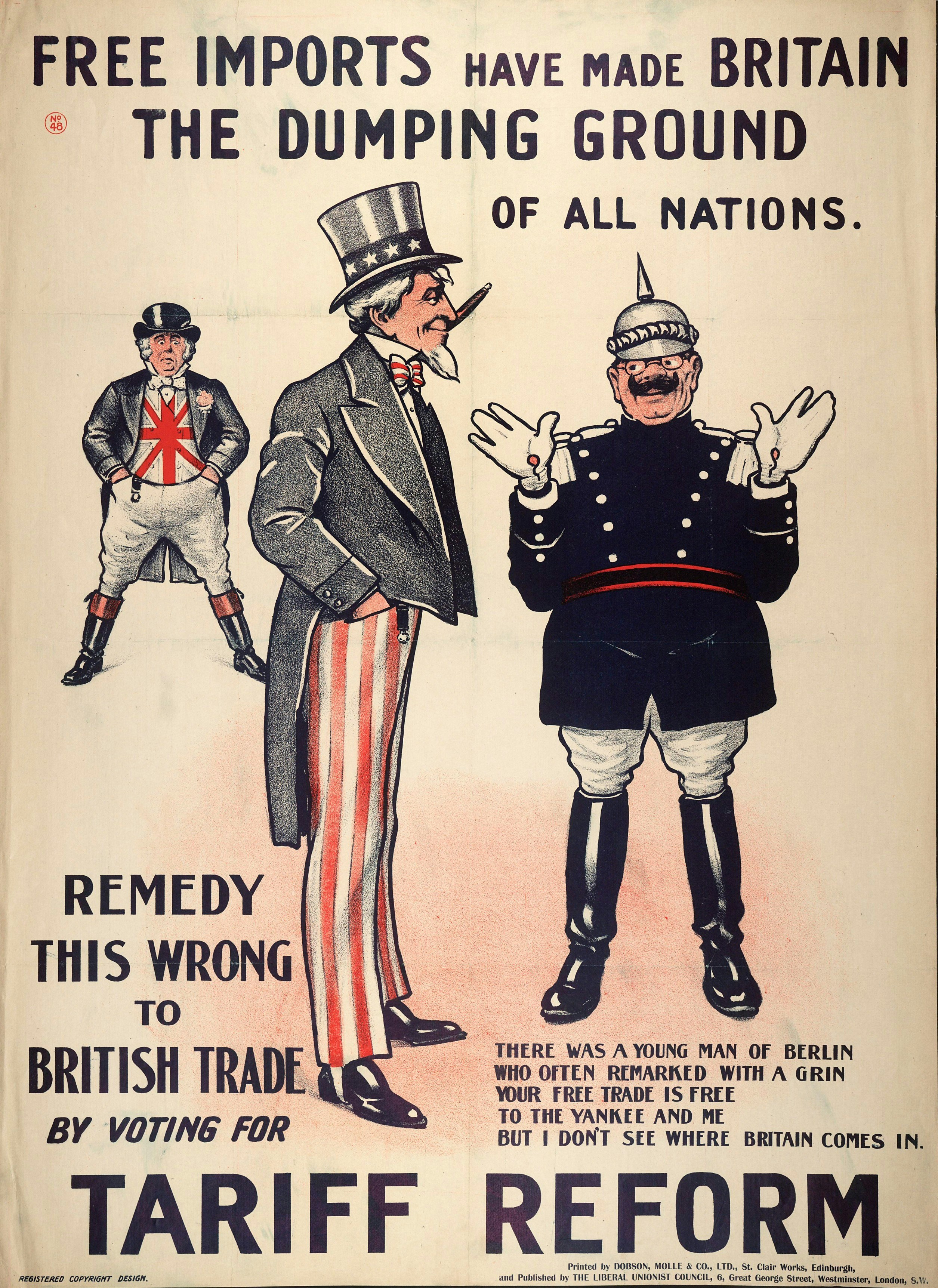
Overview of US-Europe Trade Relations
The trade relationship between the United States and the European Union (EU) represents one of the most significant economic partnerships globally. Over the decades, this connection has evolved, shaped by historical contexts, economic necessities, and regulatory frameworks. The origins of US-EU trade ties can be traced back to the post-World War II period, where both territories aimed to rebuild and strengthen their economies through robust trade agreements. As globalization unfolded, these relations deepened, making the transatlantic economy indispensable to the global financial system.
Several key trade agreements have underpinned the US-EU economic ties. Notably, the Transatlantic Trade and Investment Partnership (TTIP) was proposed in 2013 with the aim of improving trade and investment between the two regions, although it faced challenges and ultimately did not materialize. Current frameworks like the EU-U.S. Trade Agreement continue to facilitate bilateral trade, focusing on tariff reductions and regulatory cooperation. The ongoing discussions about technology standards, digital trade, and environmental regulations further underscore the dynamic nature of this partnership.
The volume of trade between the US and EU is staggering, with significant goods exchanged annually. As of recent figures, the EU remains one of the largest trading partners of the United States, with major exports including machinery, pharmaceuticals, and agricultural products. Conversely, the US exports machinery, vehicles, and chemicals to European markets. This interchange not only highlights the complementary nature of the two economies but also underscores their importance in the global economy. The economic significance of US-EU trade is further amplified by the millions of jobs it supports on both sides of the Atlantic, making it a cornerstone of economic stability and growth.
Current Disagreements: Tariffs on Aluminum and Steel
The ongoing trade disputes between the United States and the European Union have prominently featured tariffs on aluminum and steel, instituted as part of broader protectionist policies. These tariffs, first introduced in 2018 by the Trump administration under national security grounds, have resulted in a significant escalation of tensions between the two parties. Originating from concerns over global overcapacity and the influx of cheaper materials, the tariffs have raised prices for manufacturers and consumers alike, leading to economic ramifications that ripple through both economies.
For the U.S., the steel tariffs, currently set at 25%, and aluminum tariffs of 10% have been justified as necessary measures to protect domestic industries from foreign competition. However, numerous industries within the U.S. have been adversely affected. Businesses that rely heavily on steel and aluminum, such as automotive and construction sectors, have encountered increased production costs which ultimately affect their competitive edge both domestically and internationally. Industrial stakeholders have expressed concern that these measures could lead to a cycle of retaliatory tariffs, further damaging economic ties.
On the other side, the European Union has responded with its own set of counter-tariffs, targeting U.S. goods, which have widened the rift between the two regions. The EU has proposed strategies aimed at negotiating a reduction of the tariffs, asserting that they are inconsistent with global trade rules and adversely affecting not only producers but consumers as well. The push for resolution emphasizes the need for collaborative dialogue to mitigate the detrimental impacts of these tariffs, as both regions seek to balance trade fairness with economic growth.
Tech Giants and Regulatory Tensions
The escalating regulatory tensions between the United States and Europe have become a focal point of discussion, particularly concerning major technology companies. In recent years, the U.S. government has urged European regulators to adopt more stringent regulations aimed at safeguarding data privacy and enhancing competition within the market. These demands stem from concerns over the practices of dominant tech companies, which often operate across borders, making regulatory enforcement complex and challenging.
From the U.S. perspective, the push for robust regulation is often seen as a necessary step to secure national interests, including data privacy and market competitiveness. American authorities argue that inconsistent regulatory frameworks can hinder innovation and allow malicious actors to exploit vulnerabilities. For instance, U.S.-based tech giants have raised concerns that overly burdensome regulations, such as the General Data Protection Regulation (GDPR), could stifle their ability to compete globally. They posit that these regulations may result in increased operational costs, ultimately impacting their competitive edge.
Conversely, European regulators assert that rigorous rules are essential to protect consumer rights and ensure fair competition in the tech sector. They argue that strong data privacy laws are crucial in an era where personal data is frequently commodified. From their viewpoint, U.S. companies should adhere to local regulations to foster a level playing field for European organizations. This clash of ideologies reflects broader cultural differences about the role of government in regulating the technology industry, highlighting the complexities of transatlantic relations.
Moreover, the potential ramifications of these regulatory tensions are significant. Stricter rules imposed by one side could lead to increased barriers to transatlantic trade in technology, affecting collaborations between U.S. and European firms. As both regions attempt to navigate these turbulent waters, finding common ground will be critical for fostering cooperation and ensuring the growth of the technology sector on both sides of the Atlantic.
Future Prospects: Finding Common Ground
The landscape of US-Europe trade relations is marked by complexity and challenges, yet there remain significant opportunities for collaboration and negotiation. As both the United States and the European Union seek to navigate disputes concerning tariffs and technology regulations, the potential for common ground is critical. The future of these economic ties will likely hinge on the ability of both parties to engage in constructive dialogue aimed at resolving existing tensions. Enhanced communication and joint initiatives may pave the way for a more cohesive economic partnership.
One area ripe for potential cooperation is in the technology sector, especially concerning regulations around data privacy and cybersecurity. By establishing a transatlantic framework for digital trade, the US and EU can work together to create standards that promote innovation while ensuring consumer protection. Such agreements could alleviate fears regarding overregulation and simplify cross-border transactions, fostering a more robust digital economy. Furthermore, ongoing discussions around trade in goods and services present another avenue for finding common ground, especially as both regions express interest in reducing trade barriers.
Geopolitical shifts and the evolving landscape of global economics also play a pivotal role in shaping the future of US-Europe trade relations. As emerging economies gain prominence, both the US and the EU must address the challenge of remaining competitive on the world stage. Strengthening trade ties can empower both regions to respond effectively to these shifts, enhancing their global influence. Additionally, addressing shared concerns, such as climate change, can form a basis for collaboration and investment that benefits both economies.
In conclusion, as the US and Europe navigate the turbulent waters of trade, focusing on mutual interests, fostering dialogue, and addressing emerging global challenges will be essential for developing a fruitful and sustainable trading partnership. The pathway forward is fraught with hurdles, yet the potential for a harmonious economic relationship remains within reach through cooperative efforts.
You might also like:
- Impact of Immigration Restrictions on the U.S. Applications
- The Rise of Automation: Amazon’s Shift Towards a Robot-Driven Workforce
- Escalation of the Russia-Ukraine War: A Dire Situation Unfolds
- Tesla Transforms into a Mobile Gaming Console: A New Era of Electric Cars
- Manchester City’s Dominance: A 4-1 Rumble Against Dortmund