
Introduction to the New Military Campaign
The newly announced military campaign by the United States aims to address the escalating problem of drug trafficking in Latin America, with a particular focus on the Caribbean region. This initiative comes in response to an alarming rise in drug-related violence that has increasingly affected both local communities and the broader U.S. population. The campaign is poised to involve various branches of the U.S. military, signifying a significant shift in strategy towards a multifaceted approach to combatting drug trafficking and its associated criminal networks.
The overarching objectives of this military operation include disrupting the supply chains of narcotics, dismantling key drug cartels, and enhancing regional security. The U.S. government recognizes the direct correlation between the influx of illegal drugs and the surge in violence that plagues cities across the nation. By taking proactive military measures, U.S. officials intend to reduce the flow of illicit substances that fuel addiction and crime within American communities, thereby safeguarding public safety and health. Additionally, this campaign seeks to strengthen collaboration with regional allies in Latin America, fostering partnerships that improve intelligence sharing and operational efficacy against drug traffickers.
This military effort is framed within a broader context of American foreign policy, which views the fight against drug trafficking not merely as a law enforcement issue but as a national security concern. The implications of unchecked drug trade span health crises, economic decline, and the destabilization of governments in affected regions. As such, this military campaign will utilize advanced surveillance technologies, increased naval presence, and special operations forces to achieve its aims, showcasing the U.S. commitment to confronting the complex realities of drug trafficking in Latin America.
Military Strategies and Operations in the Caribbean
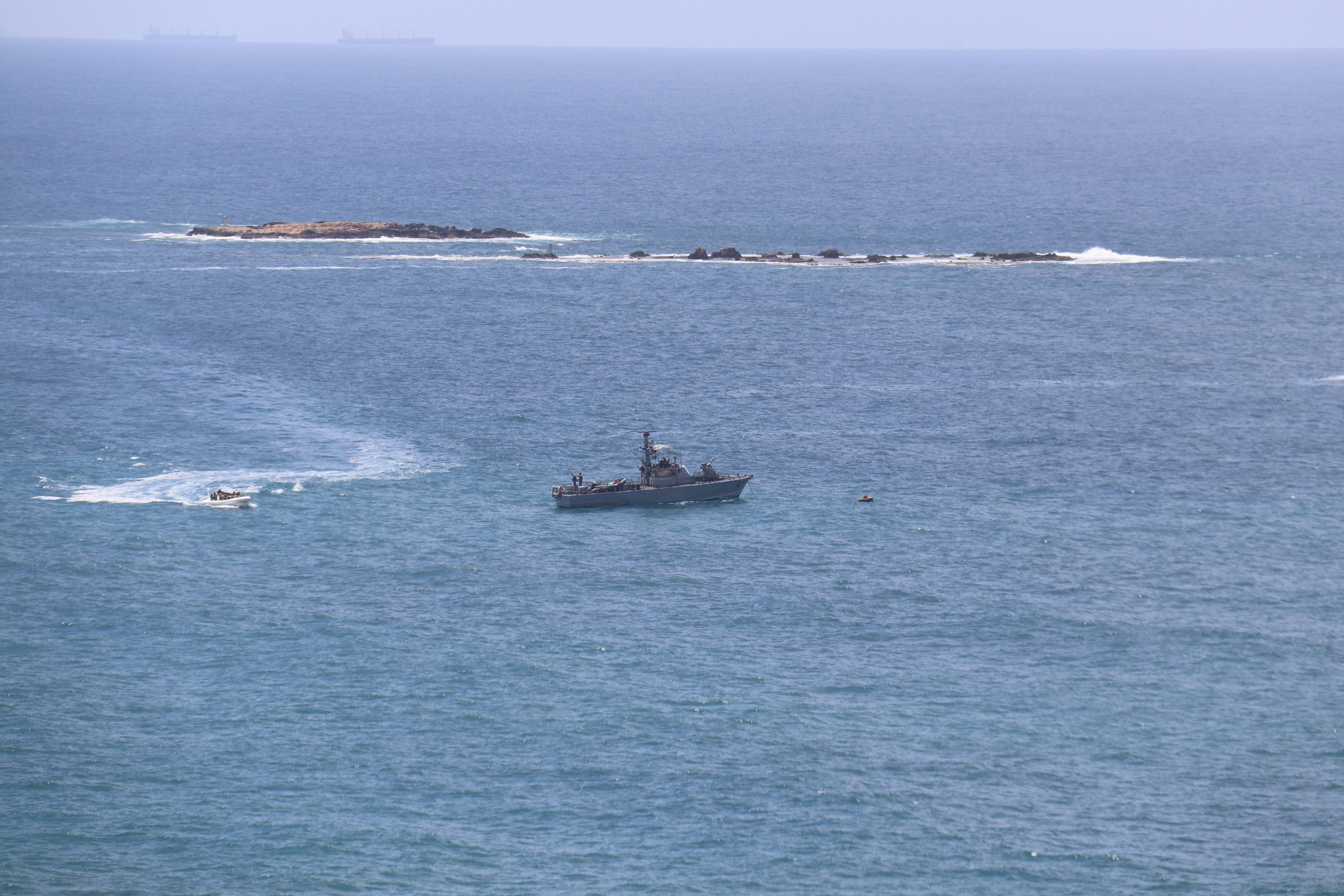
The Pentagon’s military strategies and operations aimed at combating drug trafficking in the Caribbean are multi-faceted and highly coordinated. Primarily, the U.S. military is intensifying its presence in the region through the deployment of maritime and aerial assets. These resources include advanced surveillance aircraft, naval vessels equipped for interdiction missions, and specialized units trained in counter-narcotics operations. By leveraging cutting-edge technology and intelligence capabilities, the U.S. aims to enhance surveillance over critical maritime routes used by drug cartels.
Collaboration with local law enforcement agencies is a cornerstone of the operational strategy. The Pentagon is working closely with regional partners to strengthen their capacity to combat drug trafficking. This entails not only sharing intelligence but also providing training and logistical support to local forces. Joint operations aim to increase the effectiveness of drug interdiction efforts, ensuring that operations are synchronized and strategically targeted to disrupt the supply chains utilized by traffickers. Such collaboration also foster partnerships that encourage regional stability and security.
However, the operations in the Caribbean are not without challenges. Drug cartels are adept and resourceful, often employing sophisticated tactics to evade law enforcement. The challenging geographical landscape, which includes isolated islands and vast ocean expanses, complicates surveillance and interdiction efforts. Additionally, the fluid nature of drug trafficking routes requires constant adaptation and agile response capabilities from military and law enforcement units.
In response to these challenges, the Pentagon employs a range of operational tactics, including intelligence gathering, real-time data analysis, and rapid response teams ready to respond to emerging threats. By adopting a comprehensive approach that integrates military strength with local law enforcement capabilities, U.S. military operations in the Caribbean aim to dismantle entrenched drug networks effectively.
Geopolitical Implications of Military Action in Venezuela
The strategic military actions proposed by the United States concerning Venezuela hold significant geopolitical ramifications, especially in the context of the ongoing battle against drug trafficking in Latin America. Venezuela has long been recognized as a critical transit hub for narcotics, including cocaine and heroin, primarily due to its geographical proximity to Colombia, the world’s leading producer of cocaine. The current instability within Venezuela, coupled with its established networks of drug trafficking, raises concerns over the capability of its government to effectively combat these illegal activities.
Military involvement in Venezuela could lead to a cascade of consequences, fundamentally altering the political landscape of the region. One such consequence may be an increase in tensions not only between the US and the Venezuelan government but also among other Latin American nations. Countries such as Colombia, Brazil, and Ecuador, which share borders with Venezuela, may encounter heightened instability as they grapple with the repercussions of US military actions. This involvement could be interpreted as an infringement on regional sovereignty, prompting retaliatory sentiments against the US.
Moreover, the prospect of military intervention raises questions regarding the potential for conflict with external actors, notably Russia and China, who have vested interests in Venezuela. Both countries have historically supported the regime of Nicolás Maduro, and a US-led military operation could result in a strategic confrontation that extends beyond the borders of Venezuela. Cooperation from regional allies in addressing drug trafficking may diminish as nations recalibrate their positions in response to perceived aggressions.
In essence, while targeting drug trafficking in Venezuela could potentially disrupt established narcotics routes, it is imperative to consider the broader geopolitical ramifications of such military actions. How they will reshape alliances, influence regional stability, and affect ongoing diplomatic efforts in combating drug trafficking within Latin America remains a critical point of analysis.
Public and International Reactions to the Campaign
The recent US military campaign aimed at tackling drug trafficking in Latin America has evoked a diverse range of reactions, reflecting the complexity of the issue at hand. In the United States, public opinion remains divided. Supporters of the military action argue that enhanced US involvement is necessary to dismantle entrenched drug cartels, which pose significant threats to both regional stability and domestic security. They contend that military intervention is essential given the persistent rise in drug-related violence and the expansive influence of traffickers across borders. However, there are also significant voices of dissent, highlighting concerns regarding potential collateral damage and the ethical implications of military strategies in addressing what many believe to be a public health issue rather than solely a law enforcement problem.
In Latin America, reactions have been similarly mixed. Some governments welcome the support of US military forces, viewing it as a crucial partnership in combating drug-related violence that has destabilized communities and undermined governance. Others, however, express skepticism over the effectiveness of military solutions, advocating instead for comprehensive approaches that encompass social development, economic alternatives, and harm reduction strategies. The calls for a shift from militarization to prevention and rehabilitation indicate a growing awareness of the limitations of military measures and their potential humanitarian impact.
International organizations have also chimed in on the debate. The United Nations and various non-governmental organizations have raised concerns about the humanitarian consequences of the military campaign, warning against the exacerbation of violence and human rights abuses that often accompany military interventions. They emphasize the necessity for sustainable solutions that prioritize human rights and community resilience over militaristic tactics. This multi-faceted discourse illustrates the complexity of addressing drug trafficking in Latin America and underscores the need for collaborative, innovative strategies that go beyond military action.