
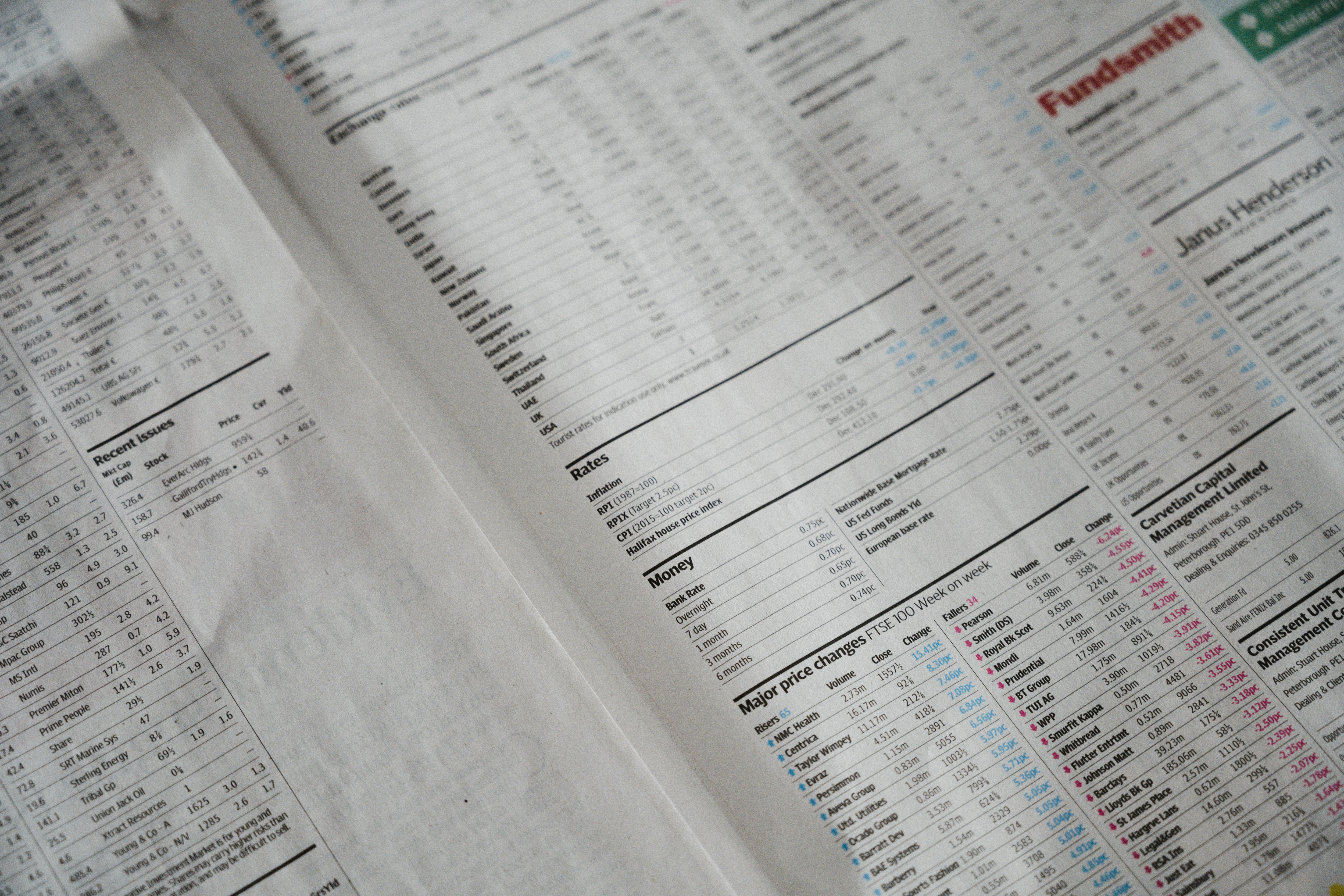
European Markets Summary
On October 22, the European stock markets exhibited a bearish trend, with many indices closing in negative territory. This decline can be attributed to a combination of factors, primarily driven by shifting investor sentiment and prevailing macroeconomic concerns. The uncertainty surrounding global economic performance has significantly impacted market movements across the continent.
The major European indices, including the FTSE 100, DAX, and CAC 40, all reported losses. Investor anxiety, largely fueled by disappointing corporate earnings reports and geopolitical tensions, has contributed to the prevailing market sentiment. As companies throughout Europe continue to face challenges, including supply chain disruptions and inflationary pressures, market participants are recalibrating their expectations for future growth.
Furthermore, recent economic data has indicated a slowdown in key sectors, particularly manufacturing and services, which raised additional concerns about the overall health of the European economy. For instance, the latest Purchasing Managers’ Index (PMI) figures suggested contractions in several economies, reinforcing fears that a broader economic downturn may be on the horizon. The presence of high inflation rates has further exacerbated these worries, leading to cautious trading behaviors among investors.
In addition to domestic challenges, international factors have also played a role in the downturn. Concerns regarding monetary policy adjustments from central banks, particularly the European Central Bank (ECB), have caused fluctuations in market performance. The anticipation of potential interest rate hikes to combat inflation has created unease, leading to a more risk-averse environment for traders.
Overall, the performance of European stock markets on October 22 reflects the complex interplay of various economic factors and investor sentiment, highlighting the challenges faced by the region in navigating an uncertain economic landscape.
DAX Index Analysis
The DAX index, representing the performance of the 30 largest German companies, experienced a notable decline of 0.71% on October 22, closing at 24,138 points. This decrease can be attributed to a combination of market events, economic data releases, and geopolitical developments that contributed to diminished investor confidence.
One significant market event impacting the DAX index was the concern over rising inflation rates within the Eurozone. Recent economic data indicated an uptick in inflation, leading to speculation regarding potential changes in monetary policy by the European Central Bank. Investors reacted cautiously, anticipating that any aggressive moves to combat inflation could stifle growth, thereby adversely affecting corporate earnings in Germany. The sentiment was palpable as trading volumes witnessed fluctuations, reflecting uncertainty among market participants.
Geopolitical factors further exacerbated the decline in the DAX index. Heightened tensions surrounding international trade, particularly between Europe and other major economies, created unease among investors. The potential for trade disruptions raised concerns over the stability of supply chains and overall economic conditions in Germany, diminishing confidence in the equity markets. As a result, many investors opted to retreat to safer assets, affecting trading volumes within the DAX index.
In light of these factors, it is important to assess how this decline may shape future market outlooks. Investor confidence, heavily influenced by these developments, is critical for the recovery of the DAX index. A sustained decline could lead to increased volatility and cautious trading behavior as participants navigate the complexities of the current economic landscape.
CAC 40 Performance Review
On October 22, the CAC 40, which is the benchmark stock market index of France, experienced a decline of 0.63%. This downturn can be attributed to various factors, including underperformance across several key sectors. Notably, the industrial and consumer discretionary sectors faced significant challenges, largely reflecting ongoing concerns regarding inflationary pressures and supply chain disruptions. Investors have shown heightened sensitivity towards these economic indicators, resulting in cautious trading behavior.
One prominent contributor to the decline was the poor performance of major corporations within the index. For instance, significant giants in the luxury sector, which typically bolster the index due to strong global demand, reported lower-than-expected quarterly earnings. This development has invoked market speculation about the sustainability of growth in a post-pandemic environment, prompting a wave of profit-taking among investors.
Additionally, the financial sector, which often plays a pivotal role in the CAC 40’s overall performance, has shown signs of volatility as rising interest rates loom on the horizon. Banks and financial institutions have been reacting to the potential impact of these economic shifts, causing a ripple effect throughout the index. Investors are grappling with adjusting their expectations against the backdrop of mixed economic data indicating a slowing but stable recovery.
The market’s response to these events has been a blend of caution and tentative optimism. Many investors are closely monitoring regulatory developments as well as macroeconomic data releases, which could provide insights into the direction of future market movements. As such, reactions have been varied, with some choosing to adopt a wait-and-see approach while others look for opportunities to capitalize on any potential rebounds in the coming weeks. Overall, the CAC 40 remains under pressure but continues to navigate the complex landscape of the current economic climate.
FTSE 100: A Contrasting Trend
On October 22, the FTSE 100 index exhibited a notable positive performance, rising by 0.93% amidst a general downturn in several other European stock indices. This divergence from the trend can be attributed to a variety of factors, including sector-specific growth, favorable macroeconomic data, and an overarching sense of political stability within the United Kingdom.
The market rally observed in the FTSE 100 can largely be linked to the robust performance of key sectors such as financial services, technology, and consumer goods. The financial sector, buoyed by rising interest rates, has benefited from increased lending margins and enhanced earnings potential. Similarly, the technology sector has thrived, driven by heightened demand for digital services and products, particularly as businesses continue their post-pandemic recovery. Furthermore, consumer goods companies displayed resilience, supported by strong retail sales figures which have been bolstered by a recovering economy.
Additionally, macroeconomic indicators released prior to this date have played a crucial role in enhancing investor confidence. Positive GDP growth figures and a decline in unemployment rates have reinforced the perception of economic stability in the UK, creating an environment conducive to investor optimism. This confidence was complemented by political stability, with the government appearing to navigate recent challenges effectively, ensuring a more predictable landscape for businesses and investors alike.
The contrasting performance of the FTSE 100 relative to its European counterparts has implications for future trading activities in the UK market. Investors may perceive this resilience as a signal to allocate more resources into UK equities, especially if the trends in macroeconomic data remain favorable. As sentiment shifts and focus turns towards year-end evaluations, the FTSE 100’s steady ascent might encourage a more dynamic trading atmosphere in the upcoming months, further distinguishing the UK market in an otherwise volatile European landscape.