
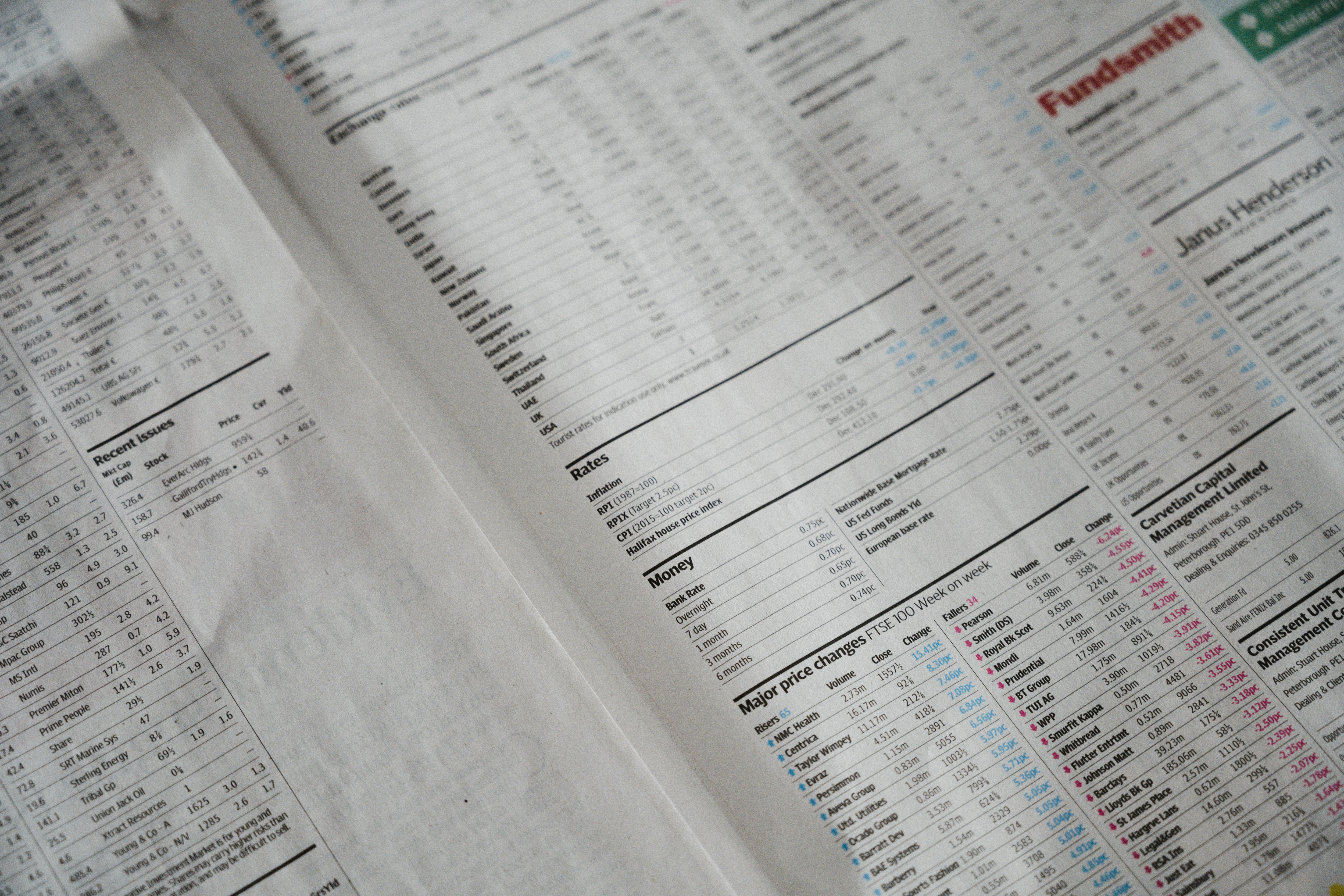
Introduction to French Financial Markets
The French financial markets encompass a diverse array of components that are essential for both domestic and international investors. These markets primarily consist of stock exchanges, investment banks, asset management companies, and regulatory bodies, all of which play pivotal roles in ensuring the smooth operation of financial activities in France. At the core of these markets is the Euronext Paris, which is one of the largest stock exchanges in Europe, where various securities, including equities, bonds, and derivatives, are traded.
Investment banks in France serve as key intermediaries, facilitating capital raising for corporates and offering advisory services. They also provide market-making and trading services, which establish liquidity in the financial system. On the asset management side, numerous firms manage a range of investment portfolios, catering to the needs of both institutional and retail investors. These asset management companies are crucial for channeling savings into productive investments, thus supporting economic growth.
The regulatory environment is another significant aspect of the French financial markets. The Autorité des Marchés Financiers (AMF) serves as the primary regulatory body, overseeing market operations to ensure transparency, investor protection, and the integrity of financial instruments. This regulatory framework instills confidence among investors, promoting their participation in the markets. Overall, the French financial markets are not only vital for the national economy but also play a significant role in the global financial landscape, influencing investment trends and capital flows on an international scale. By understanding these components, one gains valuable insight into the dynamics that drive finance in France today.
Current Economic Landscape in France
The current economic landscape in France is marked by a range of indicators that reflect both challenges and opportunities for growth. As of the latest reports, France’s GDP has demonstrated a moderate growth rate, estimated at approximately 1.5% for the current fiscal year. This rate indicates a steady recovery following the disruptions caused by the COVID-19 pandemic, though it lags behind some of its European neighbors.
Inflation remains a significant concern in the French economy, currently hovering around 5.3%. This elevated level of inflation can be attributed to various factors, including supply chain disruptions and rising energy costs. The French government, alongside the European Central Bank, is closely monitoring these developments, implementing measures aimed at stabilizing prices while ensuring economic growth is not hampered.
Unemployment statistics present a mixed picture. The unemployment rate has seen a gradual decline, currently resting at 7.1%. However, this figure does not encompass the significant disparities between different regions and sectors within the country. For instance, youth unemployment remains stubbornly high, necessitating targeted interventions that address the unique challenges faced by younger job seekers.
Consumer sentiment has also been fluctuating, influenced by global economic factors, including geopolitical tensions and changes in consumer behavior. While many households express optimism about their personal financial situations, there are underlying concerns regarding the ability to maintain purchasing power in the face of rising prices. Key events, such as labor strikes and policy changes, continue to affect economic sentiment and, subsequently, the financial markets.
In conclusion, the French economy is navigating a complex landscape of recovery, inflationary pressures, and evolving consumer attitudes, significantly influencing the overall financial market dynamics.
Major Players in French Financial Markets
The French financial markets are characterized by a diverse array of influential players, including prominent financial institutions, top investment firms, and notable individual investors. Each entity plays a crucial role in shaping market dynamics and influencing financial trends. Among the key institutions, BNP Paribas, Société Générale, and Crédit Agricole stand out as the largest banking entities in France. They provide essential services, ranging from retail banking to investment and asset management, thereby ensuring a robust financial infrastructure. Their market strategies often include diversifying investments and leveraging technological innovations to enhance customer experience.
Furthermore, investment firms such as Amundi, the largest asset manager in Europe, and Carmignac, known for its outstanding mutual funds, have significantly impacted the French financial scene. These firms are pivotal in asset allocation and portfolio management, focusing on research and sustainable investment strategies that resonate with evolving market demands. Their performance not only influences fund flows but also guides investor confidence and behavior in the marketplace.
In addition to institutional players, influential individual investors, or “business angels,” also significantly contribute to the financial landscape. These investors often fund startups, driving innovation in sectors such as technology, healthcare, and sustainability. Their strategic investments not only facilitate the growth of budding companies but also enhance the overall investment climate in France.
In essence, the interaction between these major players — financial institutions, investment firms, and individual investors — creates a dynamic environment within the French financial markets. Through their distinct strategies and collective pressure, they shape market trends, driving economic activity and establishing France as a key player in the global financial landscape.
Stock Market Performance: Indices and Trends
The French stock market, like many global counterparts, has exhibited notable dynamics in recent periods, significantly influenced by various macroeconomic factors. The CAC 40, France’s primary stock market index, serves as a barometer for the performance of the French equity market. As of October 2023, the CAC 40 has experienced fluctuations that reflect both resilience and vulnerability amidst ongoing geopolitical tensions and economic uncertainties. Year-to-date performance has indicated a modest uptrend, suggesting an overall recovery phase post-pandemic.
In recent months, certain sectors within the CAC 40 have demonstrated remarkable growth. Notably, the technology and healthcare sectors have been particularly robust, driven by increasing demand for innovative solutions and improved healthcare services, respectively. The surge in technology stocks can be attributed to the accelerated digital transformation, with many firms adapting their business models to leverage advanced technologies. This sector’s expansion has, in turn, attracted significant investor interest, further fueling stock price increases.
Conversely, sectors such as energy and traditional manufacturing are witnessing a contraction. Fluctuations in energy prices, exacerbated by geopolitical conflicts, have led to a decline in stock prices for companies within this domain. Furthermore, traditional manufacturing has faced challenges related to supply chain disruptions and rising material costs, causing investor sentiment to wane. This sector’s struggles are illustrative of the broader market volatility, highlighting the importance of diversification in an investment portfolio.
In comparing historical performance, the CAC 40’s current trends reflect significant shifts from previous years, notably the sharp declines experienced during the market turbulence of 2020. As of late 2023, the index’s resilience points to a recovery that may continue if supported by stable economic indicators. Investors are cautiously optimistic, yet mindful of the undercurrents that may affect market stability moving forward.
Impact of Global Events on French Financial Markets
The French financial markets, like those in many developed economies, are intricately linked to global trends and events. In recent years, significant geopolitical tensions and economic sanctions have had a pronounced impact on investment sentiment and overall market stability. For instance, the ongoing conflicts in various regions can lead to increased volatility as investors reassess risk profiles and diversify their portfolios to mitigate exposure to affected areas.
In addition, international trade agreements play a crucial role in shaping financial strategies at both the corporate and individual investor levels. The implementation of tariffs or trade barriers can profoundly affect the profitability of French companies, particularly those heavily reliant on exports. This can subsequently influence stock prices and market indices, creating a ripple effect that may alter investor confidence and spending behavior.
Moreover, economic sanctions imposed on other nations can lead to ripple effects that reach the French markets. Companies that are entangled in international supply chains may find their operations disrupted, impacting their financial performance and thus influencing stock values. It is essential for local investors to stay informed about such global events, as the interconnectedness of our world means that a domestic market can be swayed by decisions made abroad.
Overall, understanding the implications of global factors such as geopolitical tensions, economic sanctions, and international trade agreements is vital for navigating the complexities of the French financial markets. Investors must remain vigilant and adapt their financial strategies as the global landscape evolves, ensuring that they are prepared for potential impacts on stability and growth within France’s financial system.
Regulatory Environment: Changes and Implications
The regulatory environment governing French financial markets has undergone significant transformations in recent years, reflecting the evolving landscape of global finance and the need for enhanced investor protection. Key changes have emerged from both domestic reforms and compliance with broader European Union directives, shaping the principles that underpin market operations. A central player in this domain is the Autorité des marchés financiers (AMF), which serves as the principal financial market regulatory authority in France.
Recent reforms include adjustments made to the Market Abuse Regulation (MAR) and the introduction of new rules concerning initial coin offerings (ICOs), aimed at fostering innovation while maintaining investor safety. These initiatives demonstrate a proactive approach by the AMF to accommodate the rapid evolution of financial technology within an established regulatory framework. Additionally, the integration of the EU’s Sustainable Finance Disclosure Regulation (SFDR) further emphasizes the importance of sustainability in investment decisions, guiding asset managers in their obligations to disclose environmental risks related to their portfolios.
Furthermore, changes in regulations now require greater transparency and accountability from financial institutions. Enhanced reporting standards, especially for risks linked to derivatives and other complex financial instruments, aim to improve overall market integrity. These measures are designed to mitigate systemic risks while promoting fair trading practices, which directly impact investor trust and confidence in the financial markets.
In terms of implications, the stringent regulatory landscape necessitates that financial entities invest in compliance and reporting mechanisms. While this may increase operational costs for firms, the long-term benefits of maintaining a robust regulatory environment include safeguarding investors, preventing market manipulation, and fostering a stable economic ecosystem. As such, businesses within the French financial markets must adapt to these developments to thrive in an increasingly regulated environment.
Investment Trends and Opportunities
In recent years, the French financial markets have experienced notable shifts, particularly in sectors that align with global investment trends. Among the most significant areas attracting attention and capital are technology, renewable energy, and healthcare. These sectors are not only pivotal for France’s economic growth but also present substantial opportunities for both domestic and foreign investors.
The technology sector in France has seen a surge in public interest, driven by the increasing digitization of businesses and the rapid advancement of artificial intelligence and software solutions. Government initiatives, such as the “French Tech” initiative, aim to foster innovation and attract venture capital inflows. This support has catalyzed the creation of numerous tech startups, forming a vibrant ecosystem conducive to investment. Investors are encouraged to explore opportunities in software development, cybersecurity, and fintech, which are positioned for sustained growth.
Renewable energy is another sector that has garnered considerable attention. France is taking significant strides towards its goal of reducing carbon emissions, investing heavily in solar, wind, and hydropower developments. The Macron administration’s commitment to green energy initiatives has attracted substantial venture capital, providing a solid foundation for investment in this field. Investors can benefit from various governmental incentives designed to promote sustainable practices, making this sector particularly attractive for ethical investment portfolios.
Healthcare also presents a promising landscape for investment. The ongoing demand for innovative medical solutions, fueled by an aging population and the aftermath of the global pandemic, has resulted in an influx of funding. France’s strong pharmaceutical industry, in conjunction with advancements in biotechnology, offers investors significant opportunities. Emerging companies focused on drug development and healthcare technologies are gaining momentum, appealing to those seeking to capitalize on the advancements in this vital sector.
In conclusion, the French financial markets are poised for dynamic growth, with technology, renewable energy, and healthcare presenting key investment opportunities. The combination of governmental support, increased venture capital influx, and the evolving public interest in these sectors suggests that both local and international investors can find fertile ground for sustainable returns in France.
Challenges Facing the French Financial Markets
The landscape of French financial markets today grapples with a multitude of challenges that significantly impact their efficiency and attractiveness to both domestic and international investors. One of the primary issues stems from ongoing economic uncertainties. The French economy, like many others in Europe, has been affected by fluctuating inflation rates, geopolitical tensions, and supply chain disruptions. These economic factors create volatility, making it difficult for investors to predict market behaviors and returns. With the potential for economic recession looming, maintaining investor confidence becomes increasingly challenging.
Additionally, regulatory hurdles present another significant challenge. France’s financial regulatory framework, while designed to foster stability and protect investors, may inadvertently stifle innovation and competition. Stricter regulations surrounding transparency, compliance, and reporting requirements can create barriers for new businesses and limit opportunities for existing firms. Navigating these complex regulations requires resources and expertise that not all entities possess, thereby impeding growth within the sector.
Moreover, competition from other European markets, such as Germany, the Netherlands, and the United Kingdom, has intensified. As these markets continue to innovate and evolve, attracting investment and talent becomes increasingly essential for France. Investors often seek environments that offer not only favorable regulations but also growth opportunities that may be more readily available in these competing markets. The pressure to adapt and modernize is critical for ensuring that French financial markets remain relevant and appealing in the broader European context.
Addressing these challenges is vital for understanding the future trajectory of the French financial markets. To navigate the complexities of the current economic climate, market participants must consider strategies that mitigate risks while capitalizing on opportunities present within these challenges.
Future Outlook: Predictions for French Financial Markets
The future outlook for French financial markets appears to be shaped by a variety of economic indicators, trends, and emerging dynamics. Analysts predict that the ongoing recovery from the effects of the global pandemic will play a crucial role in influencing market performance. As consumer confidence rebounds and economic activities resume in full swing, the French markets are poised for a potential resurgence in growth. In particular, sectors such as technology and renewable energy are anticipated to see significant investments, driven by government policies and a shift towards sustainability.
Furthermore, inflation trends and interest rate adjustments are vital components that will likely impact financial stability in France. Rising prices and the decisions of the European Central Bank regarding interest rates may cause fluctuations in investor sentiment. Market participants are expected to monitor these macroeconomic factors closely, as they will influence the cost of borrowing and overall economic activity. With inflation rates trending upwards globally, maintaining a balance between growth and inflation will be crucial for the health of the French economy and its markets.
Additionally, geopolitical events and international relations, particularly within the European Union, will also be significant considerations for investors looking into the French financial markets. Trade agreements, regulations, and the political landscape will play a role in shaping investor confidence. The inclination towards digital innovation and the integration of financial technologies are set to drive change in how markets operate and interact with consumers.
In conclusion, the future of French financial markets is uncertain yet full of potential. By keeping a close eye on economic indicators, sector shifts, and policy changes, investors can better navigate the complexities of the market landscape. A thorough understanding of these driving factors will be essential for making informed investment decisions in the coming years.





