
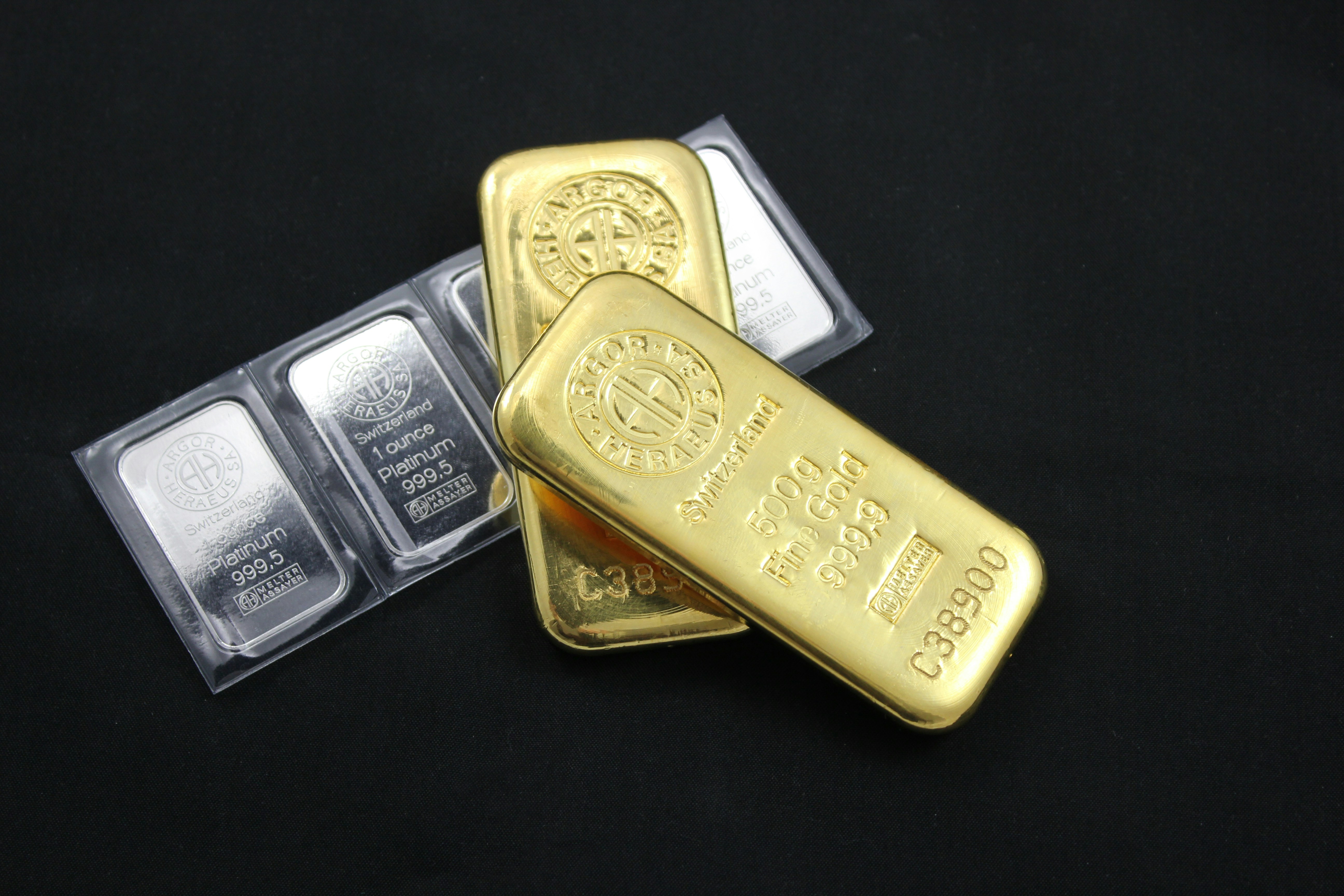
Current Platinum Pricing and Market Overview
As of the latest market data, platinum is currently trading at approximately $1,598 per ounce. This represents a notable increase of $12 from the previous day, illustrating a positive shift in sentiment among investors and traders regarding this precious metal. The recent price movements in the platinum market shed light on the various factors influencing market dynamics, including supply constraints, industrial demand, and broader economic indicators.
In comparison to its better-known counterparts, gold and silver, platinum has exhibited unique trends. While gold continues to be seen as a safe haven during turbulent economic times, recently experiencing fluctuations due to geopolitical tensions and inflation concerns, platinum has begun to carve out its own niche. Silver, on the other hand, often follows the performance of gold but also heavily relies on industrial demand, which has been volatile in recent months. Thus, understanding platinum’s rise in price requires a more nuanced view of both the precious metal landscape and the industrial applications of platinum, particularly in the automotive sector where it is utilized in catalytic converters.
The increase in platinum pricing can also be attributed to factors such as changes in mining production levels and shifting global economic conditions that influence investor behavior. As industries rebound post-pandemic and the automotive sector gradually shifts towards more sustainable practices, the demand for platinum is expected to evolve. This interplay between supply-demand dynamics, economic conditions, and the performance of other precious metals forms a complex web that investors must analyze to gain insights into future movements within the platinum market.
Catalysts Behind Platinum’s Price Recovery
The recent recovery in platinum prices can be attributed to several key developments in the precious metals market. Notably, the rebound in gold prices has played a significant role in uplifting the values of platinum. Gold has historically been viewed as a safe-haven asset, often witnessing increased demand in times of economic uncertainty. Recent expectations surrounding a potential Federal Reserve rate cut have injected optimism into the market, causing gold prices to rise. This bullish sentiment in gold typically creates a positive ripple effect for platinum, drawing in investors seeking diversification in their portfolios.
Furthermore, the relationship between gold and platinum is characterized by their shared qualities as precious metals, yet their applications diverge in numerous industrial sectors. Platinum, for example, is essential in catalytic converters and various industrial processes; thus, its demand is directly influenced by economic activities and shifts in automotive production rates. As gold prices climb, investors often reassess their strategies, considering platinum as an attractive investment option, especially when the broader economic outlook appears uncertain. The intertwined dynamics of these metals underscore the necessity for investors to monitor both markets concurrently.
Additionally, global economic indicators play a crucial role in shaping investor sentiment towards platinum. Recent data reflecting a recovery in manufacturing activity and increased demand for vehicles has generated optimism around platinum’s consumption in industrial applications. This upturn in demand corresponds with the positive trends observed in gold, further solidifying the interdependence of these two precious metals within modern financial markets. Consequently, the synchronization of price movements between gold and platinum creates a compelling case for understanding the catalysts that drive their valuation.
Industrial Demand and Its Impact on Platinum Pricing
Platinum is a precious metal that holds significant value in various industrial applications, with approximately 60-70% of its market value directly associated with industrial demand. One of the most notable sectors driving this demand is the automotive industry, where platinum is primarily utilized in catalytic converters, a critical component in reducing harmful emissions from diesel vehicles. The importance of platinum in these exhaust filters underscores its integral role in meeting stringent environmental regulations and driving advancements in automotive technologies.
As the global economy experiences fluctuations, industrial production remains a primary influence on platinum pricing. When economic growth is robust, automobile manufacturing typically ramps up, leading to increased demand for platinum in catalytic converters. Conversely, during economic downturns, production slows, which can result in weakened demand for platinum and subsequent price declines. Moreover, changes in policies concerning emissions standards and environmental objectives can also create variability in industrial demand, further complicating platinum’s market dynamics.
In the context of the automotive sector, shifts towards electric vehicles (EVs) can also impact platinum pricing. As governments and automotive manufacturers prioritize the transition to cleaner technologies, the traditional reliance on platinum for diesel engines faces challenges. This shift prompts stakeholders to consider alternative materials, potentially influencing both the demand for platinum and its market value. Therefore, understanding the correlation between industrial demand, economic growth, and platinum pricing is crucial for investors and market analysts alike.
By examining these factors, one can gain insights into the dynamic relationship between industrial applications and platinum’s market movements, ultimately shaping its future in various sectors, especially within the automotive industry.
Market Sentiment and Future Outlook for Platinum
The recent trading session in the platinum market has painted a complex picture of market sentiment, highlighted by a drawn-out candle that indicates a potential resurgence in buying pressure. This development comes after a period of decline, suggesting that investors are beginning to regain confidence in platinum as an investment asset. This renewed interest can be attributed to several macroeconomic factors, primarily the shifts in industrial demand and broader economic conditions that influence investor behavior.
One notable aspect driving sentiment is the increasing industrial demand for platinum. This metal is not only a key component in catalytic converters used in automobiles but is also gaining traction in various green technologies, including hydrogen fuel cells. As global economies transition towards more sustainable practices, the demand for platinum is expected to rise steadily. Furthermore, indicators such as industrial production rates and manufacturing indexes are increasingly critical in gauging future demand for platinum.
From a broader perspective, macroeconomic indicators such as inflation rates, interest rates, and currency fluctuations significantly affect investor sentiment and, consequently, the platinum price trajectory. For instance, as central banks adopt varying monetary policies to combat inflation, the resulting changes in interest rates could impact the opportunity cost of holding platinum versus other investments. Additionally, geopolitical tensions and trade policies may also play pivotal roles in shaping market sentiment. Investors are likely to remain cautious, closely monitoring these developments as they could lead to fluctuations in platinum prices.
Looking ahead, the outlook for platinum appears cautiously optimistic. If the trends in industrial applications continue to favor the metal, we may witness a bullish phase. However, market participants should remain aware of potential headwinds from macroeconomic factors that could introduce volatility in the coming months. Overall, understanding the interplay between these dynamics will be crucial in navigating the future landscape of the platinum market.