
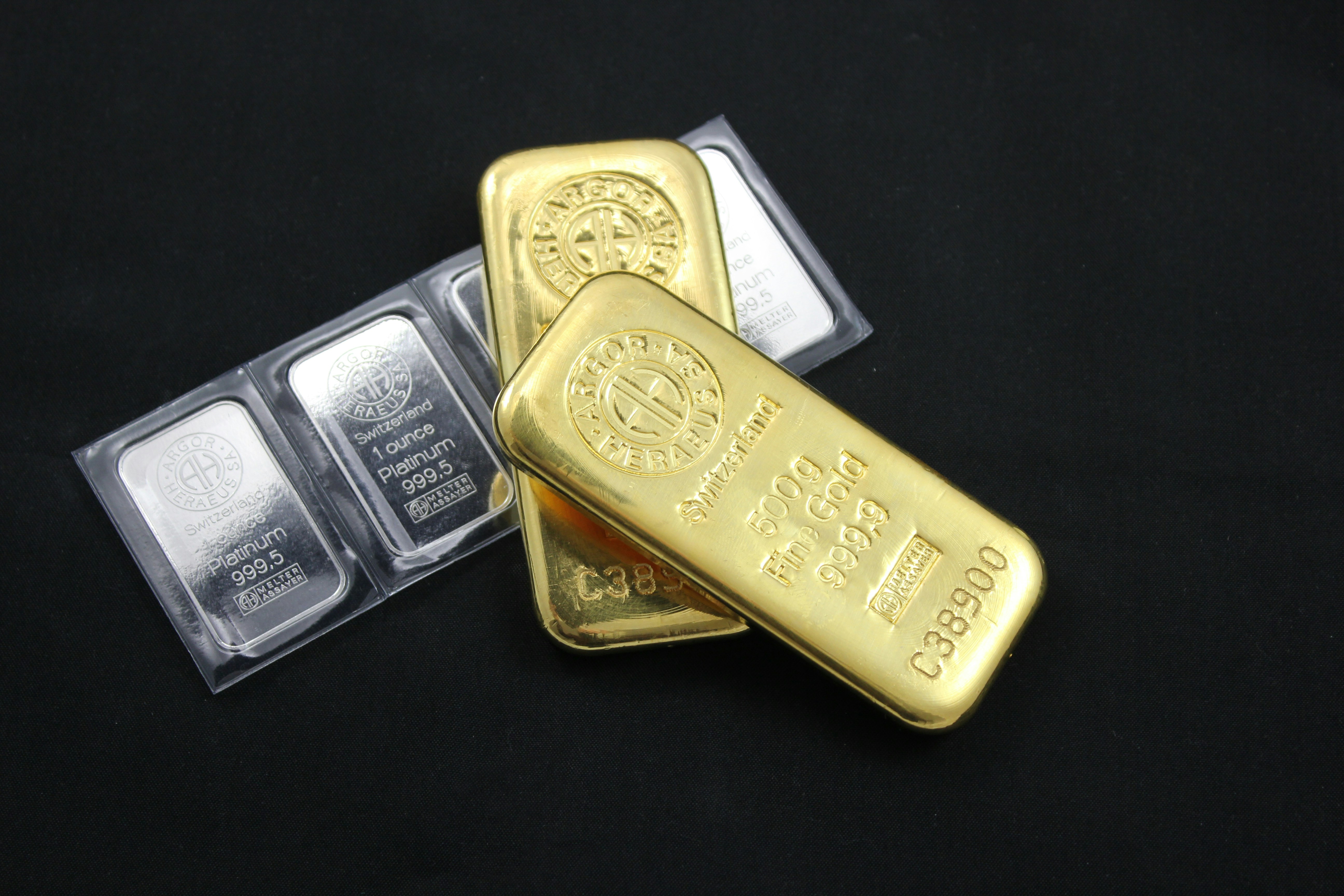
Overview of Platinum Market Performance
In the past 24 hours, the platinum market has experienced significant volatility, culminating in a sharp decline in prices. Specifically, during the trading session on October 27, 2025, platinum prices plummeted below the critical threshold of $1,600 per ounce, marking a notable downturn in market performance. The previous session’s closing price had indicated a more stable environment; however, the shift in market dynamics revealed underlying pressures affecting platinum’s valuation.
During this 24-hour period, the trading range exhibited notable fluctuations, with the price nearing $1,650 per ounce at its peak before eventually closing substantially lower. This downward trend raised concerns among investors and analysts regarding the factors contributing to such a dramatic fall. External economic factors, changing demand from the automotive sector, and shifts in investor sentiment all played significant roles in influencing the recent price movements.
As of the morning of October 28, the platinum market presented prices well beneath the $1,600 mark, triggering further analysis of market indicators and potential recovery signs. The extent of this decline provokes questions about supply chain disruptions, particularly in key mining regions, and the ongoing effects of global economic shifts. Moreover, the overall demand for platinum, often linked to the auto industry’s production rates and technological advancements in green energy, remains a critical area of focus moving forward.
In summary, the platinum market’s recent performance highlights the volatility inherent in commodity trading, underscoring the importance of ongoing monitoring and analysis as traders navigate these uncertain conditions.
Key Drivers Behind Price Drops
The recent decline in platinum prices can be primarily attributed to several interrelated factors reflecting its nature as both a precious and industrial metal. This dual characteristic significantly influences market dynamics and investor behavior. One key driver of the price drop is the phenomenon known as the ‘safe haven’ sell-off. Traditionally, during times of economic uncertainty, investors flock to precious metals like platinum for stability and security. However, as the global economy shows signs of recovery, a shift in investor sentiment has emerged, leading to reduced demand for safe haven assets.
Additionally, the prevailing ‘risk-on’ sentiment has prompted investors to seek higher returns in riskier assets such as stocks and commodities. This trend has contributed to the declining interest in platinum, as capital flows towards equities appear more attractive in a rebounding economy. Consequently, the reduction in demand for platinum as a protective asset has placed downward pressure on its price.
Moreover, the ongoing US-China trade negotiations have further complicated the market landscape. Trade tensions and tariffs can have a significant impact on the industrial demand for platinum, particularly in sectors such as automotive manufacturing, where it is extensively utilized in catalytic converters. A resolution to these negotiations, or even the anticipation of one, could lead to adjustments in demand forecasts, influencing prices accordingly.
The current market environment also reveals a notable shift away from precious metals as investors reallocate resources toward higher-growth opportunities. In such contexts, platinum’s valuation is particularly susceptible to these market transitions. Understanding these elements is crucial for analyzing the overall trend in platinum prices and for predicting future movements in this volatile market.
Comparison with Other Precious Metals
In recent months, the behavior of platinum prices has drawn significant attention, particularly in comparison to other precious metals such as gold and silver. While platinum generally holds a unique position in the precious metals market due to its industrial applications, its price movements have showcased unexpected similarities with the trajectories of gold and silver. Understanding these correlations helps in evaluating whether the recent decline in platinum is an isolated incident or part of a more extensive market trend.
Analyzing the recent market data, we find that platinum prices have significantly decreased, mirroring a trend also observed in gold and silver. The global economic uncertainty—driven by inflationary pressures, geopolitical conflicts, and changes in monetary policy—has been a substantial factor influencing the prices of these metals. For instance, as investors sought safe-haven assets during turbulent times, gold and silver experienced fluctuations in value. This behavior highlights the interconnected nature of these precious metals, where a downturn in one can reflect broader market sentiments affecting another.
Furthermore, external factors such as the strength of the U.S. dollar and interest rates have played a critical role in shaping the dynamics of platinum, gold, and silver prices. A stronger dollar tends to weaken demand for precious metals, leading to downward pressure on prices across the board. It has been observed that when gold prices—often considered the benchmark—experience a drop, platinum typically follows a similar trajectory due to shifts in investor sentiment and market demand. Therefore, while platinum’s recent price drop might appear alarming, understanding these correlations allows for a more nuanced perspective on its implications within the overall precious metals market.
Future Outlook for Platinum Prices
The future outlook for platinum prices hinges on an array of factors, including recent market trends, industrial demand, and geopolitical events. Historically, platinum has seen fluctuations due to its dual role as an industrial metal and a safe haven asset. As industries pivot towards sustainable practices, particularly in the automotive sector, where platinum is utilized in catalytic converters, the demand could be influenced by shifts toward electric vehicles. This transition may pose challenges to platinum consumption, potentially leading to further price volatility.
Current market sentiment suggests investor caution, as recent price declines have prompted market participants to reassess their positions. Analysts are paying close attention to key economic indicators that could influence platinum prices, including manufacturing output data and the health of global supply chains. For instance, increased industrial production, particularly in emerging markets, may bolster demand for platinum, subsequently supporting prices. Conversely, any signs of economic downturns, such as rising unemployment or decreased consumer spending, could exacerbate selling pressures.
Additionally, geopolitical developments play a pivotal role in shaping the market’s trajectory. Trade tensions, regulatory changes, and global political stability can significantly impact the supply and demand dynamics of platinum. If major producers face disruptions, supply constraints could lead to upward price movements. Conversely, a prevailing risk-off sentiment among investors may drive them toward alternative safe-haven assets, diminishing platinum’s appeal in uncertain times.
As we approach the end of the year, close monitoring of these variables will be crucial. The interplay between industrial demand, macroeconomic conditions, and geopolitical factors will ultimately dictate the future of platinum prices. Investors must remain cautious and informed, as the landscape continues to evolve.





