
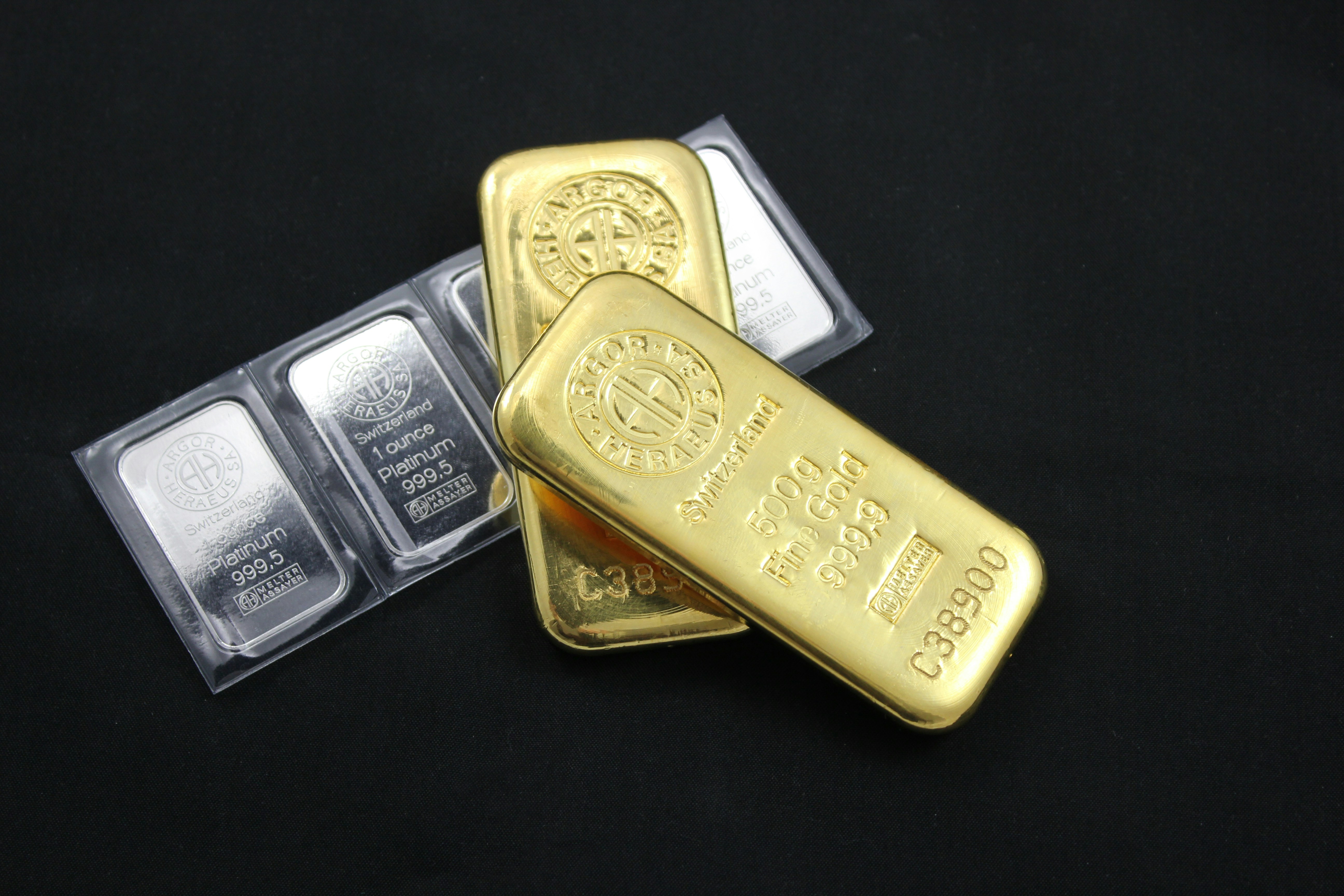
Introduction to the Platinum Market
The platinum market plays a vital role in the global economy as one of the most sought-after precious metals. Characterized by its rarity, platinum is not only a valuable investment asset but also a critical component in various industrial applications, particularly in the automotive sector for catalytic converters, as well as in jewelry and electronics. Over the years, the dynamics of the platinum market have been influenced by a combination of supply and demand factors, macroeconomic conditions, and investor sentiment.
Recently, leading up to October 22, 2025, the platinum market saw notable price fluctuations influenced by several underlying factors. Initially, the price of platinum reached remarkable highs, reflecting a resurgence in demand due to increasing production of vehicles with a focus on more eco-friendly technologies. This increase in demand was buoyed by solid economic performance in key markets, particularly in Asia, where automotive manufacturing is on the rise. Furthermore, the supply constraints resulting from mining disruptions and geopolitical tensions contributed to the upward price movement, creating an environment where investors were keenly monitoring the market.
However, the subsequent decline in prices has raised questions among market participants regarding the sustainability of these trends. Various factors, including changes in consumer preferences towards alternatives like palladium and rhodium, shifting regulatory landscapes, and the overall health of the global economy, has led to increased uncertainty. Investors are left analyzing these movements to better understand the implications for future investments in platinum. Consequently, understanding the underlying mechanics of the platinum market is essential for making informed decisions, especially during times of volatility.
Recent Price Trends of Platinum
As of October 2023, the platinum market has experienced notable price fluctuations, shaping the investment landscape for this precious metal. The price of platinum reached a significant peak at $1,755 per ounce, marking an encouraging rise that buoyed market optimism. This increase can be attributed to various factors, including global economic recovery, industrial demand, and the metal’s role in catalytic converters for vehicles. However, following this peak, the platinum market experienced a considerable downturn, with prices subsequently dropping to approximately $1,514 per ounce.
This decline highlights the inherent volatility associated with platinum prices. Several underlying factors contributed to this correction. A slowdown in the automotive sector, coupled with decreased demand for diesel vehicles in certain markets, adversely impacted platinum’s value. Furthermore, fluctuations in investor sentiment, often driven by geopolitical uncertainties and shifts in monetary policy, have also played a crucial role in this trend.
Interestingly, the historical price levels of platinum have served as both a guide and a benchmark for market valuation. The price drops experienced throughout 2023 have echoed past market behaviors, where platinum’s value faced similar corrections after periods of substantial growth. Such patterns suggest that both institutional and retail investors closely watch historical price movements during their trading strategies, influencing their buying and selling decisions accordingly.
Despite the recent declines, there has been signs of slight recovery in prices. This rebound could indicate a potential stabilization of the market, influenced by renewed industrial activity and bullish projections on the overall economy. Nevertheless, it remains paramount for stakeholders to be vigilant and aware of factors that could influence future price movements of platinum in an ever-evolving market landscape.
Market Correction: Causes and Implications
A market correction refers to a short-term decline in the price of an asset, typically defined as a drop of 10% or more from its recent peak. In the context of the platinum market, the recent decline, which saw prices fall significantly after a period of highs, represents a classic example of a market correction. This phenomenon is not uncommon in financial markets, where the establishment of overvalued conditions can lead to price adjustments as market participants reassess valuations based on emerging economic data and investor sentiment.
Moreover, external economic influences such as rising interest rates and inflation concerns can impact how markets behave. As central banks adopt tighter monetary policies to combat inflation, the cost of borrowing increases, leading to reduced capital spending by industries reliant on platinum, further exacerbating the correction. The implications of this market correction may extend beyond mere price adjustments; it can signal a shift in investor psychology, requiring stakeholders to navigate a period of heightened volatility and uncertainty about future price directions.
Overall, understanding these underlying causes provides valuable insights for market participants and may influence their approaches to investment strategies in a fluctuating platinum market.
Impact of Precious Metals Sell-Off
The recent volatility in the precious metals market, particularly concerning gold and silver, has had a pronounced effect on platinum pricing. Investors, influenced by various psychological and financial factors, have engaged in profit-taking, leading to a notable sell-off in these metals. The fluctuation in gold and silver prices often serves as a barometer for investors’ sentiment across the entire precious metals spectrum, including platinum.
As both gold and silver experienced price corrections, this prompted many traders to liquidate their positions, aiming to capitalize on recent gains. This phenomenon is not uncommon; investors frequently react to trends in the market, making decisions based on immediate returns rather than long-term outlooks. Consequently, the resultant mass sell-off spurs additional downward pressure on platinum prices, as market participants tend to view platinum as a highly correlated asset class.
This situation has been compounded by broader economic factors, including shifting interest rates and inflationary pressures, which influence investors to reallocate their portfolios away from precious metals. Additionally, market sentiment plays a crucial role in this dynamic. For instance, as panic selling takes hold in the gold and silver markets, a psychological shift occurs, raising doubts about the stability of platinum prices. Investors, observing the decline in gold and silver, may anticipate similar trends in platinum, further exacerbating the sell-off.
Moreover, the interplay between supply and demand can alter the landscape for platinum. If investors perceive heightened risks in the market, they may quickly liquidate their holdings in platinum as well, seeking safer asset classes. This cascading effect generated by the sell-off of gold and silver no doubt adds layers of complexity to the already intricate dynamics of the platinum market.
The Role of the US Dollar Recovery
The recent fluctuations in the platinum market have been significantly influenced by the recovery of the US Dollar Index (DXY). A stronger US dollar generally leads to a decrease in commodity prices, including platinum, as it tends to increase the comparative cost of these metals for investors using other currencies. When the dollar gains strength, platinum becomes less attractive to international buyers, which can contribute to a decline in demand and subsequently drive down prices.
The interplay between the US dollar and platinum pricing is complex. As the DXY rises, it typically indicates confidence in the US economy, leading investors to move their assets into US dollar-denominated assets for stability. This phenomenon can create downward pressure on platinum prices, as investors who would otherwise be interested in purchasing the metal may opt for equities or other securities perceived as less risky during periods of dollar strength.
Technical Analysis of Platinum Market
The platinum market has experienced significant fluctuations recently, prompting a close examination of its technical indicators and price movements. An essential component of understanding these price dynamics is identifying the overbought conditions that have contributed to the recent corrections observed in the market. Utilizing various charts and technical indicators allows for a clearer picture of the market’s current state and potential future direction.
Upon reviewing the market data, it becomes evident that platinum prices reached a notable peak, fueled by speculative trading and increased demand in various sectors, including automotive and jewelry. The Relative Strength Index (RSI) is a crucial indicator in this context, often utilized to identify overbought or oversold conditions. Following a surge in prices, the RSI indicated that platinum had reached an overbought status, suggesting that the prevailing momentum could not be sustained. This overextension triggered a correction as traders began to moderate their positions, leading to a price retraction.
Moreover, the Moving Average Convergence Divergence (MACD) indicator further supports this analysis. The divergence observed between the short-term and long-term moving averages hints at a potential downward trend in the near future. By carefully observing these signals, analysts can assess whether the plateaued prices reflect a longer-term consolidation phase or a more severe downturn.
Nevertheless, it is essential to consider both short-term and long-term perspectives when analyzing the platinum market. Concepts such as trend lines, support and resistance levels, and chart patterns provide deeper insights into market behavior. Hence, although current trends indicate a correction, understanding the broader context will be essential for forecasting future movements in platinum pricing. These techniques offer invaluable tools for investors seeking to navigate the complexities of the platinum market effectively.
Long-Term Outlook for Platinum
As we analyze the current dynamics of the platinum market, it is crucial to consider the long-term prospects that could significantly influence the future pricing of this precious metal. One of the primary factors in this outlook is the potential supply deficits, particularly associated with South Africa, which is the world’s largest platinum producer. The country has faced a variety of challenges, including labor unrest, aging mines, and issues related to political stability, all of which could affect production levels. Any decline in output from South African mines could not only constrain the available supply of platinum but also lead to increased prices in attempts to balance demand.
On the demand side, various industrial applications continue to sustain the necessity for platinum. This metal is extensively utilized in the automotive industry for catalytic converters, which are essential in reducing vehicle emissions. As governments worldwide push for stricter emission regulations, the demand for platinum is anticipated to increase. Furthermore, the growing emphasis on renewable energy sources is catalyzing interest in platinum for hydrogen fuel cells, further contributing to an upward shift in industrial demand.
While the recent market correction has caused temporary fluctuations in pricing, the long-term outlook suggests that these challenges and demands could lead to a tightening of the market. As industries increasingly adopt greener technologies, the essential nature of platinum will likely position it as a valuable asset in the future. In considering all of these elements, it becomes clear that despite current challenges, the fundamental properties of platinum and the supply-demand dynamics may drive prices upward over the long haul. Such economic indicators could play a pivotal role in establishing a more resilient platinum market in years to come.
Investor Strategies Amid Market Volatility
The recent declines in the platinum market have compelled investors to reassess their strategies to navigate this volatile landscape. Adopting a well-informed and proactive approach is crucial for capitalizing on opportunities presented by price fluctuations. One effective strategy is to identify and take advantage of market dips. Buying during these decreased price moments can prove beneficial, provided that investors conduct thorough research to assess whether the declines are momentary corrections or indicative of deeper issue within the market. This necessitates a focus on both technical and fundamental analysis, including studying historical price movements and understanding the external factors currently affecting platinum.
In addition to recognizing potential buying opportunities, effective risk management techniques are essential. Investors should establish a clear understanding of their risk tolerance, which will guide their decisions regarding the size of their investments in platinum compared to other assets. Diversification of a portfolio can spread the risk and reduce overall exposure to market volatility. It is also advisable for investors to set stop-loss orders. These mechanisms allow investors to limit potential losses by automatically selling their positions once a specified price is reached, thus providing a safeguard against unforeseen market downturns.
Staying informed about market trends also plays a pivotal role in any investment strategy. By consistently monitoring news, reports, and developments related to platinum, such as shifts in supply and demand dynamics, regulatory changes, or global economic indicators, investors can make more educated decisions. In addition, following expert analyses and insights can yield valuable information on the sentiment surrounding platinum, leading to timely reactions to market movements. Ultimately, a combination of strategic purchasing, robust risk management, and ongoing education will equip investors to successfully navigate the complexities inherent in the fluctuating platinum market.
Conclusion
The recent decline in the platinum market has raised significant concerns among investors and industry stakeholders. As discussed, various factors contributed to the price fluctuations observed over the past months. The impact of global economic trends, changes in automotive industry demands, and shifts in mining output have all played roles in influencing platinum prices. Notably, a slowdown in demand from key markets, particularly within the auto sector, has heightened the volatility experienced by the platinum market.
Furthermore, external elements such as geopolitical tensions, resource availability, and currency fluctuations have also been influential in shaping market dynamics. The interaction between these factors highlights the complex nature of commodity investments, particularly in precious metals like platinum. As the market continues to adjust, it is essential for stakeholders to remain vigilant and informed about these trends, allowing for better decision-making regarding investments in this sector.
Looking ahead, while short-term corrections may suggest caution, there exists a potential for long-term growth should the demand for platinum in various applications, such as automotive catalytic converters and jewelry, revive. Additionally, advancements in technology and shifts towards greener initiatives could alter platinum’s relevance. Investors must therefore carefully assess market conditions and forecasts to navigate this uncertain landscape effectively. Monitoring fluctuations will be critical, as even subtle changes can indicate larger trends that may influence investment returns in the platinum market.