
Overview of the Current Situation in the Russia-Ukraine War
The ongoing conflict between Russia and Ukraine has evolved significantly since its inception in 2014, following the annexation of Crimea by Russia. The war, deeply rooted in historical tensions and geopolitical maneuvering, continues to shape the political landscape of Eastern Europe. In recent months, the conflict has escalated, demonstrating the complexities of the situation. Key players in this multifaceted war include the Ukrainian government, Russian military forces, various separatist groups in Eastern Ukraine, and international actors, notably NATO and the European Union, who have provided varying levels of support to Ukraine.
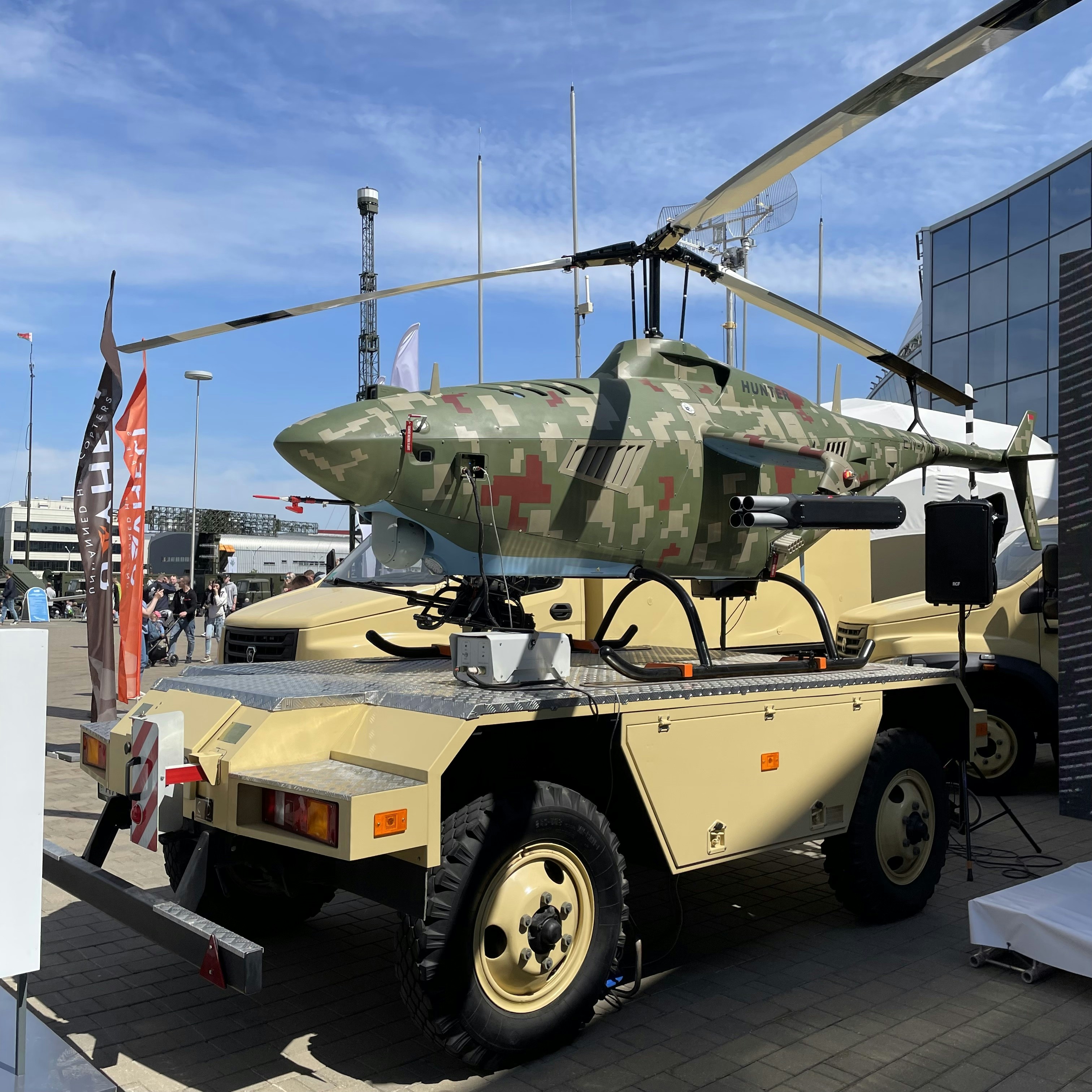
Recent developments have drawn heightened global attention, particularly the alleged drone attacks on Moscow. These incidents mark a significant shift in tactics and strategy, as they may represent Ukraine’s increasing capability to project military power into the heart of Russia. Reports suggest that these drone strikes are not isolated events but part of a broader campaign aimed at undermining Russian morale and demonstrating Ukraine’s resilience. The implications of such attacks could be profound, potentially impacting the dynamics of territorial control and the approach to peace negotiations.
The backdrop of these incidents is characterized by escalating military operations on both sides, with Russia intensifying its offensive in various regions of Ukraine. Casualties continue to mount, and the humanitarian crisis grows increasingly severe, affecting millions of civilians. As international diplomatic efforts strive to resolve the conflict, the situation remains fraught with uncertainty. The evolving narrative of the Russia-Ukraine war is marked by these recent attacks, which serve not only as a tactical maneuver but also highlight the persistent struggle for sovereignty and territorial integrity that defines this conflict.
Details of the Alleged Drone Attacks on Moscow
In recent weeks, Russia has made serious allegations concerning drone attacks launched by Ukraine targeting Moscow. According to Russian sources, these attacks began to surge in intensity around late September 2023, culminating in a series of events that have raised tensions significantly. Reports indicate that multiple drones were reportedly deployed, with estimates of their total number ranging from ten to twenty. This increase in drone activity has heightened security concerns within the Russian capital.
The timeline began with early reports of an unidentified aerial attack causing minor damage to administrative structures. Subsequently, Russian military officials responded with statements condemning the attacks and pledging to enhance air defenses in and around Moscow. As the situation escalated, more sophisticated defense systems were deployed, reportedly including anti-drone technology, to counter potential new assaults.
The implications of these purported drone strikes extend beyond immediate military concerns. They may impact the tenuous relationship between Russia and Ukraine, further straining diplomatic ties. Ukrainian officials have consistently denied involvement, claiming that these allegations may serve as a propaganda tool for Russia to justify its own military actions or to rally domestic support amid an ongoing conflict.
Internationally, reactions to these accusations have varied. Some countries view the claims with skepticism, urging both sides to seek de-escalation and dialogue. Others express concern over the potential for escalating violence, which could have broader implications for regional stability. The situation draws attention to the evolving nature of warfare, where drone technology is becoming increasingly crucial. As such, the international community watches closely, as these developments could influence future geopolitical dynamics.
Russia’s Defense Ministry Response: Claim of Destroyed Drones
The recent declaration by the Russian Defense Ministry asserting the successful destruction of 57 Ukrainian drones during alleged attacks on Moscow has attracted significant attention. This claim is not only a statement of military performance but also serves as a key component of Russia’s broader military narrative. The destruction of these drones reinforces the Russian military’s capabilities and suggests a level of preparedness that may influence both domestic and international perceptions of the conflict.
The successful interception of these drones is portrayed by the Ministry as a crucial victory, aimed at boosting public morale and reinforcing faith in Russia’s defense mechanisms. This claim also serves a strategic purpose; by emphasizing these achievements, the Russian government can foster a sense of security among its citizens, amidst ongoing tensions and hostilities in the region. Such narratives are pivotal at a time when national sentiment can sway and influence public support for military actions.
Moreover, the assertion of having neutralized 57 drones presents implications for Ukraine’s military strategy. The acknowledged capabilities of Russian air defense systems could compel Ukrainian forces to reevaluate their operational tactics. As they conduct their air operations, they may need to prioritize more sophisticated or unconventional methods to bypass Russian defenses effectively. This situation could lead to an evolution in Ukrainian tactics, potentially shifting towards increased reliance on stealth technology or other innovative approaches to circumventing established defenses.
In the context of this ongoing conflict, the Russian Defense Ministry’s claims play a dual role—they are not only a boast of military efficacy but also a strategic maneuver that impacts both sides of the war. Understanding the implications of these claims will be vital in assessing future developments in military operations and the potential shifts in the operational landscape of the ongoing conflict between Russia and Ukraine.
The Role of U.S. Supercomputers in Weapons Development Amidst the Conflict
As the Russia-Ukraine war continues to escalate, the United States has increasingly turned to supercomputers for the advancement of its nuclear weapons development programs. These high-performance computing systems are integral to simulating various scenarios, analyzing complex data sets, and enhancing the overall effectiveness of weapons technology. The capabilities of these supercomputers allow for sophisticated modeling, enabling U.S. scientists and engineers to make informed decisions regarding the enhancements of existing nuclear arsenals, as well as the development of new technologies.
The United States has emphasized the significance of technological supremacy in maintaining national security. Supercomputers play a crucial role in this regard, particularly in the context of real-time strategic assessments that can influence military postures and diplomatic strategies. Moreover, the speed at which simulations and calculations can be processed facilitates rapid responses to emerging threats. This could be particularly relevant in light of the shifting dynamics presented by the ongoing Russia-Ukraine conflict, where traditional military engagements are intertwined with advanced technological warfare.
Furthermore, the advancements in supercomputing technology further complicate international relations, particularly with nations like Russia. Enhanced capabilities could potentially trigger a renewed arms race, as countries may feel compelled to invest in their own technological innovations in response. This competition contributes to a volatile security environment, in which strategic decisions must be carefully calibrated. For Ukraine, the implications of U.S. supercomputer advancements may also affect its own military strategies, especially as it seeks to bolster its defense mechanisms amidst ongoing aggression.
In conclusion, the integration of U.S. supercomputers in nuclear weapons development amid the Russia-Ukraine conflict highlights the intricate relationship between technology and global security. The effects of these advancements are likely to resonate throughout international relations, significantly influencing the behavior of both Russia and Ukraine, as well as their respective strategic calculations moving forward.
You might also like:
- Navigating the Market: The Impact of Rising US Treasury Yields on Stocks
- Daily Updates on the Open Network (TON): News, Trends, and Analysis
- Navigating Social and Labour Challenges in Germany: The Paradox of Skilled Worker Shortage and Unemployment
- Manchester City Secures Crucial Victory Against Bournemouth with Haaland’s Brilliance
- South Korea’s Caution and Commitment to Dialogue with North Korea