
Recent Gold Price Movements
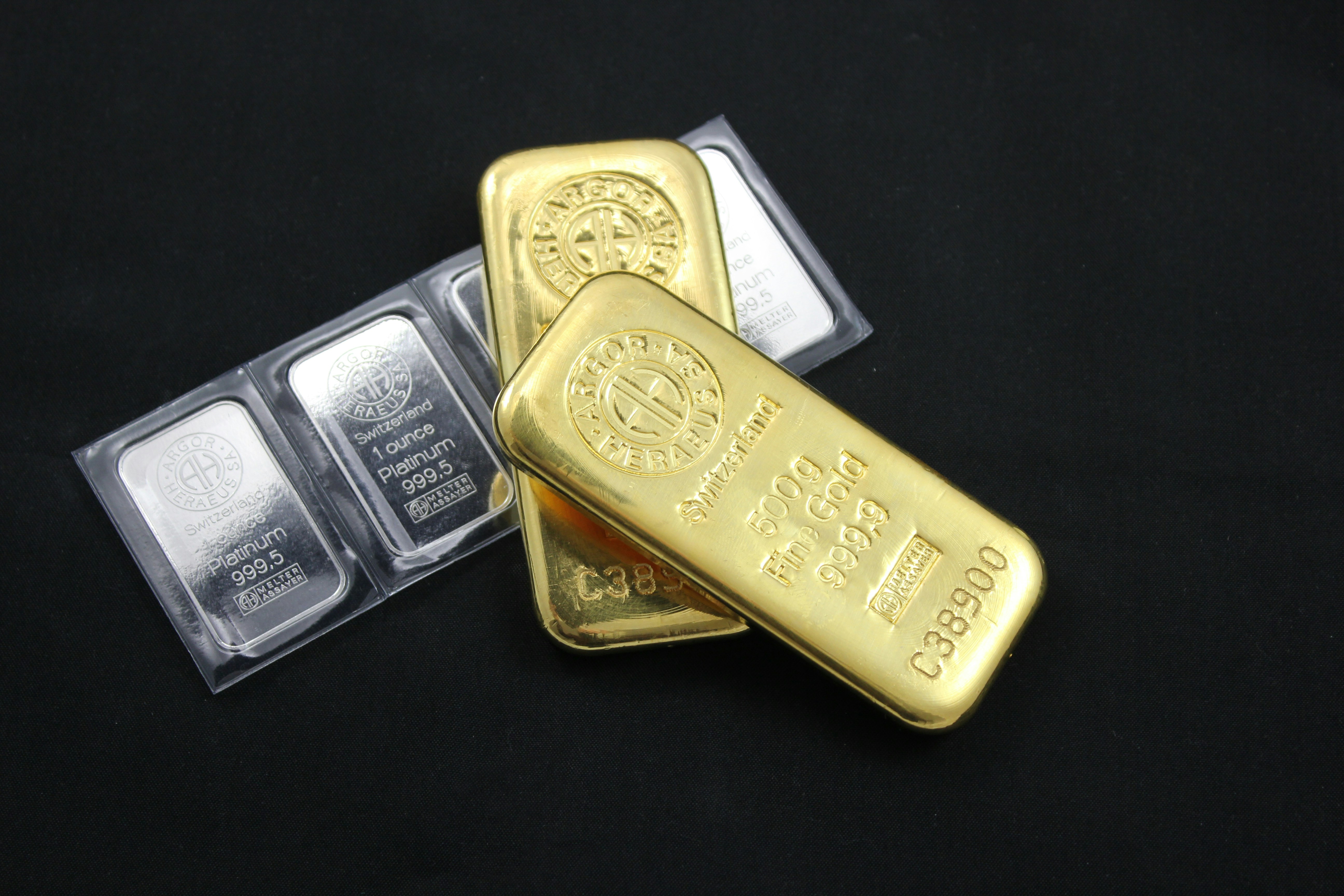
The gold market has recently experienced a significant sell-off, marked by a dramatic price decline that witnessed gold prices dropping by $270 per ounce within a brief period. This sharp decline has drawn the attention of investors, analysts, and market watchers who are keen to understand the underlying factors leading to this notable profit-taking. One of the primary drivers of this downtrend is the strengthening of the U.S. dollar, which traditionally exerts downward pressure on gold prices. As the dollar gains strength against other currencies, it often diminishes gold’s appeal as an alternative investment.
Additionally, the shift in monetary policy by central banks has contributed to the recent fluctuations. In particular, announcements regarding interest rate hikes have raised concerns among gold investors. When interest rates are increased, the opportunity cost of holding non-yield-bearing assets like gold becomes less attractive. This, combined with a more stable economic outlook, has encouraged investors to reallocate their funds towards assets that offer potential returns, resulting in a sell-off of gold.
Moreover, geopolitical factors play a substantial role in influencing gold prices. Uncertainties relating to trade tensions, inflation fears, and broader political instability can lead to periods of volatility. Nevertheless, the current fluctuations in spot gold prices demonstrate how quickly market sentiment can shift. While some investors may perceive the recent drop as an opportunity to buy at lower prices, others are cautious, waiting to see if prices stabilize or continue to decline. In essence, the gold market is subject to complex interactions of various economic indicators and investor behavior, making it crucial for market participants to stay informed about both local and international developments.
Market Reactions to Gold Price Changes
The commodity market has exhibited notable fluctuations in gold prices, prompting varied responses from traders and investors. These price changes are not merely numerical; they carry psychological weight, influencing market behavior significantly. Historically, gold is perceived as a safe haven asset, particularly during periods of economic uncertainty. As prices experience dynamic shifts, the sentiment among investors often oscillates between panic selling and opportunistic buying, showcasing a complex interplay of market psychology.
The reactions to an increase in gold prices tend to reflect a herd mentality, where investors may rush to buy in fear of missing out on potential gains. Conversely, a decline in prices can trigger fear and anxiety, leading to a sell-off, which further exacerbates the downward trend. This behavioral pattern highlights the intrinsic link between price movements and investor sentiment, where emotional responses frequently dictate decision-making rather than purely analytical assessments.
In the current climate, where geopolitical tensions and inflationary pressures can suddenly impact market stability, it is paramount for traders to stay informed and agile. Acknowledging sentiment analysis as a tool for gauging market reactions can enhance investment strategies. For instance, employing a contrarian approach—buying when prices dip and refraining from panic selling during downturns—can mitigate emotional biases. Furthermore, diversifying portfolios and utilizing options or futures contracts can provide leverage against adverse price movements in gold.
As investors navigate this volatile environment, understanding the psychological aspects of their decisions plays a crucial role in shaping their strategies. By remaining aware of the emotional influences tied to price changes in gold, traders can better position themselves in a fluctuating commodity market. Adopting a balanced perspective amidst the chaos will be essential for making informed and rational trading decisions going forward.
Crude Oil Price Stability Amid Market Turbulence
Amid recent fluctuations in the commodity market, crude oil has demonstrated noteworthy stability, particularly when viewed in contrast to the pronounced volatility observed in gold prices. The Brent crude oil futures, a global benchmark, have maintained a resilient trading range, reflecting both market confidence and a degree of supply-demand equilibrium. Recent reports indicate that Brent crude has consistently operated within a narrow band, signaling investor optimism despite broader market uncertainties.
The price movements of Brent crude oil can be attributed to several factors, including geopolitical tensions, OPEC production decisions, and evolving demand outlooks in major economies. For instance, the ongoing recovery in demand as countries rebound from pandemic-related slowdowns has fostered a supportive environment for oil prices. Furthermore, recent cuts in production levels by OPEC+ have contributed significantly to the stability of crude oil prices, serving as a counterbalance to any potential oversupply that might arise from increased production elsewhere.
The implications of consistent crude oil prices extend beyond the immediate commodity market. Stability in oil prices directly influences transportation and manufacturing sectors, leading to predictable operational costs for businesses. This predictability is especially critical for industries relying heavily on transportation, as fuel expenses constitute a significant portion of overall costs. Consequently, stable oil prices can bolster market confidence, encouraging investment and driving economic growth.
Additionally, the relationship between crude oil prices and inflation rates cannot be overlooked. As crude oil retains its stability, it can help mitigate inflationary pressures that often accompany rising commodity prices. Therefore, crude oil serves not only as an essential resource but also as a vital stabilizing agent in the global economic landscape. Moving forward, the ongoing monitoring of crude oil price movements will be crucial for understanding broader market dynamics.
Outlook for Gold and Crude Oil Markets
The outlook for the gold and crude oil markets remains a topic of considerable interest among investors and analysts. Various economic indicators and geopolitical events are expected to play pivotal roles in shaping the future trajectory of these commodity prices. Analysts suggest that gold may experience fluctuations in the short term, influenced primarily by monetary policy changes and inflationary pressures. Currently, central banks globally are navigating through a complex economic landscape marked by rising inflation and the potential for interest rate hikes. Historically, gold has served as a hedge against inflation, making its price sensitive to these monetary shifts. As such, any signals from central banks regarding interest rate adjustments could significantly impact gold prices in the coming months.
On the other hand, the crude oil market is subject to a different set of dynamics. Predictions suggest that crude oil prices may increase due to expected supply constraints and growing global demand as economies recover from the pandemic-induced slowdown. Geopolitical tensions in oil-producing regions, along with decisions made by OPEC regarding production cuts, could also lead to price volatility. Experts believe that if these geopolitical tensions escalate, they may create upward pressure on crude oil prices as supply disruptions could become more frequent. Moreover, advancements in renewable energy technologies might gradually influence long-term demand for crude oil.
Investors and traders should remain vigilant, as strategies will need to adapt to these unfolding market conditions. For gold, a defensive approach focusing on diversification may mitigate potential losses. In contrast, those engaged in the crude oil market may find opportunities by capitalizing on supply and demand fluctuations. Ultimately, a comprehensive understanding of these commodities’ market trends will be essential for informed decision-making as the landscape continues to evolve.
You might also like:
- South Korean Ferry Incident: A Cautionary Tale of Distracted Driving
- Incident at the Tower of London: A Disturbing Act Against Royal Heritage
- Guatemala Declares State of Emergency Amid Deadly Gang Violence
- Festive Friday Night in Chicago: December 12, 2025
- Latest Taylor Swift News: Fans Disappointed or Just Misunderstood?