
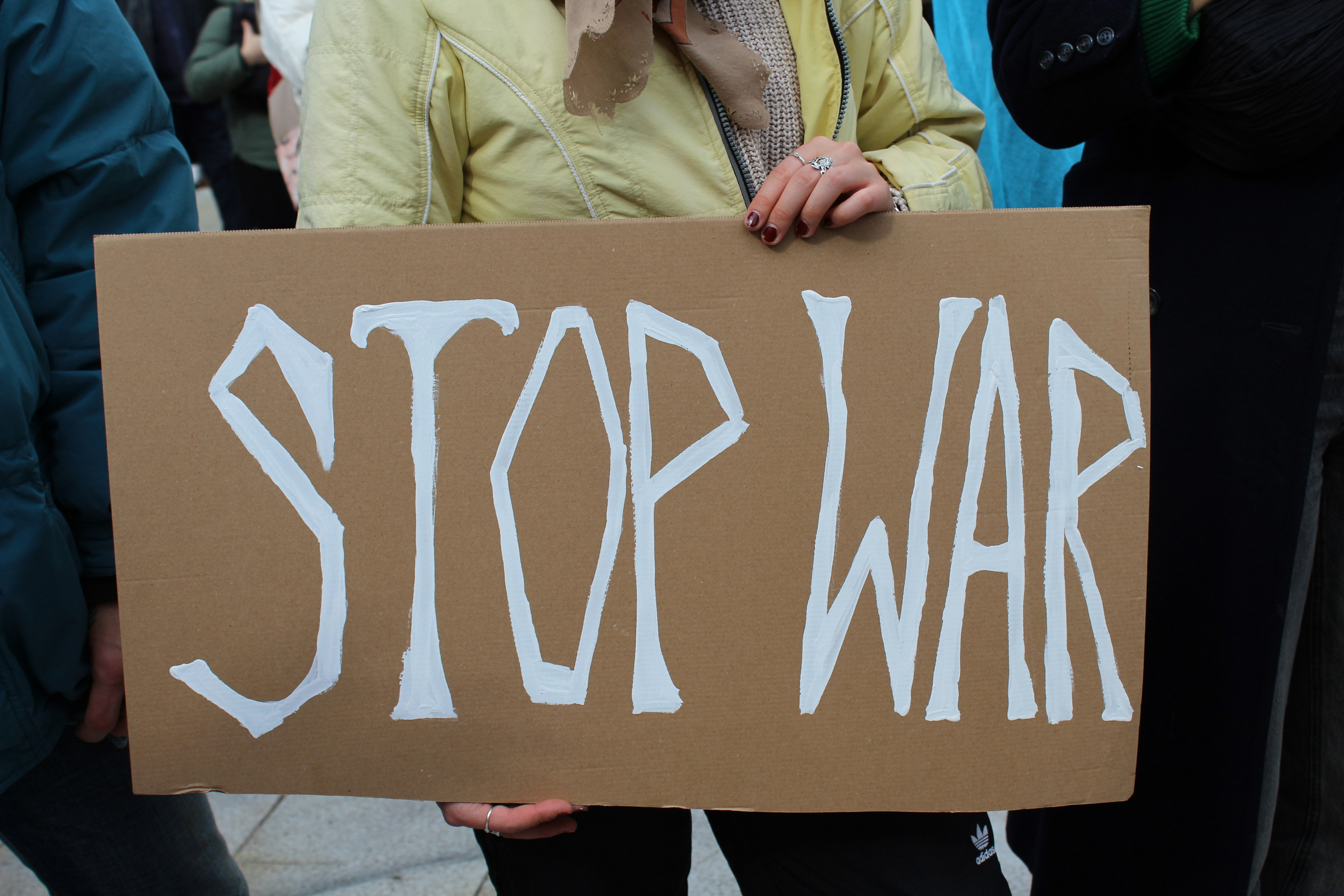
The Shift Towards Diplomacy
A renewed push for a peace agreement is underway as Persian Gulf nations and Pakistan intensify diplomatic efforts to turn the fragile US-Iran ceasefire into a lasting peace. President Donald Trump has indicated that the conflict may be approaching an endgame, signaling possible rapprochement.
Pakistan’s Role as an Intermediary
In this context, Pakistan has emerged as a crucial intermediary, thanks to its working relationships with both Tehran and Washington. Notably, Field Marshal Asim Munir, Pakistan’s army chief, held significant discussions with Iranian officials on May 23. Meanwhile, a Qatari delegation also visited Tehran to facilitate resolution on outstanding issues, showcasing a collaborative regional effort.
Challenges and Opportunities Ahead
Despite the glimmer of hope, key obstacles remain, including Iran’s nuclear ambitions, the blockade of the Strait of Hormuz, and the complexities surrounding US sanctions. The Trump administration is working on a “letter of intent” to formally conclude the war, enabling a 30-day negotiation period focusing on critical subjects such as Iran’s nuclear program. The path to peace is fraught with challenges, yet the urgency to resolve the crisis stems from its severe economic impact, already costing $29 billion and affecting global energy supplies.
You might also like:
- Revitalizing Buyer Interest in IDBI Bank: Government’s Strategic Move
- Who’s Kevin Warsh? Trump’s Fed select wishes ‘regime substitute’ at central bank
- P2P team discloses and apologizes for prediction market bets
- Israel Hits Iran’s South Pars Petrochemical Plant As Mediators Drift New Ceasefire Proposal
- Oklahoma Authorities Arrest Mother and Stepfather Amid Missing Boy Case
