
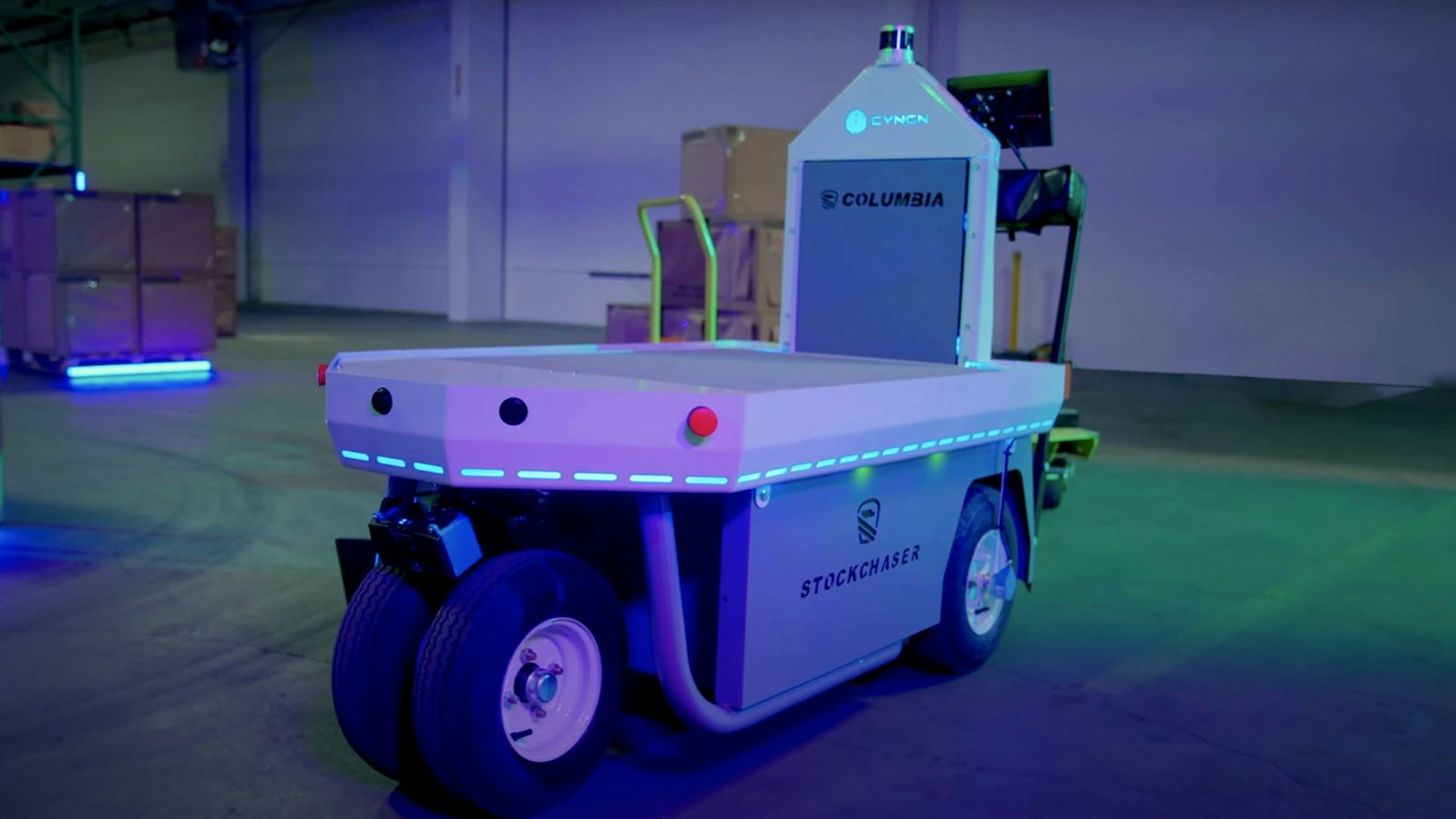
Introduction to Logistics Automation
Logistics automation refers to the use of technology to automate processes within the supply chain, aimed at enhancing efficiency and productivity. In recent years, it has emerged as a crucial component of modern logistics, enabling businesses to streamline their operations while meeting the ever-growing demands of customers. The significance of logistics automation cannot be understated, as it provides a solution for companies to operate in an increasingly competitive environment.
Key technologies involved in logistics automation include robotics, artificial intelligence (AI), and the Internet of Things (IoT). Robotics plays a pivotal role in warehouse management, as autonomous robots can perform tasks such as picking, sorting, and packing goods with speed and accuracy. AI is leveraged for data analysis, predictive analytics, and demand forecasting, helping companies make informed decisions. The IoT connects various devices, allowing for real-time monitoring of shipments and assets, which enhances visibility throughout the supply chain.
The benefits of automating logistics processes are manifold. Firstly, enhanced efficiency leads to faster turnaround times, allowing businesses to fulfill orders more promptly. Secondly, automation can result in significant cost reductions by minimizing labor costs and decreasing errors that could lead to financial losses. Moreover, as the labor market faces challenges, including shortages and increasing wages, logistics automation presents a viable solution. Automated systems can help alleviate these issues by reducing dependence on manual labor while also ensuring consistency and high-quality service.
Overall, logistics automation stands at the forefront of transforming supply chain operations. By integrating advanced technologies, businesses can not only overcome current challenges but also position themselves for future growth in an evolving marketplace.
Details of the Partnership Between DHL and Boston Dynamics
The memorandum of understanding between DHL Group and Boston Dynamics marks a significant step towards the automation of logistics processes. This partnership highlights both companies’ commitment to integrating advanced technology to improve efficiency and operational capabilities in the logistics sector. The essence of this collaboration revolves around the deployment of Stretch robots, designed specifically for material handling tasks within warehouses and distribution centers.
Under the terms of the agreement, DHL Group will leverage Boston Dynamics’ cutting-edge Stretch robots to optimize the movement and sorting of goods. Stretch robots are equipped with advanced mobility and manipulation capabilities, enabling them to autonomously navigate complex environments while performing tasks such as unloading containers and handling packages. This integration serves to alleviate the manual labor typically associated with these tasks, addressing current workforce challenges while enhancing productivity.
The motivations behind this partnership stem from the evolving landscape of the logistics industry, characterized by an increasing demand for efficiency and adaptability. As e-commerce continues to grow, operational agility becomes paramount for logistics providers. DHL aims to harness the potential of automation not only to streamline its existing processes but also to respond to fluctuating market demands effectively.
Boston Dynamics, recognized for its pioneering work in robotics, seeks to demonstrate the capabilities of its Stretch robots in a high-volume logistics environment. Both companies are focused on achieving mutual benefits from this collaboration, aiming to set a new standard for automation within the logistics sector. The successful deployment of these robots may serve as a catalyst for further technological advancements in logistics, ultimately contributing to a more efficient and responsive supply chain.
Impact of Stretch Robots on Logistics Operations
The integration of Stretch robots into DHL Group’s logistics operations signifies a transformative advancement in how logistics tasks are conducted. These robots are designed to autonomously handle a wide variety of tasks typically performed in fulfillment centers, thereby increasing operational efficiency and productivity. Stretch robots leverage advanced computer vision systems and machine learning algorithms, enabling them to navigate complex environments and manipulate goods with a high level of precision.
One of the key capabilities of Stretch robots is their ability to handle heavy lifting tasks, which can significantly alleviate the physical strain on human workers. In an era where many fulfillment centers are facing labor shortages, especially due to the increasing demand in e-commerce, the deployment of these robots is expected to bridge the gap between demand and labor force availability. With their capacity to quickly and safely move products from one location to another, Stretch robots can help streamline the workflow, thereby enhancing productivity.
In terms of safety, the implementation of Stretch robots can reduce the incidence of workplace injuries, as these robots are designed to handle dangerous or repetitive tasks, allowing human employees to focus on more skilled or strategic roles. This shift not only contributes to a safer working environment but also fosters job enrichment within logistics operations. Expected use cases include the automated unloading of trucks and optimization of product sorting within warehouses, demonstrating the robots’ agility and effectiveness in daily logistics tasks.
As DHL continues to embrace automation through the integration of Stretch robots, the overall impact on logistics operations is poised to be significant. The synergy of human workers and automated systems can ultimately lead to an enhanced operational framework that is not only efficient but also capable of adapting to varying market demands.
Future Outlook: The Role of Robotics in Logistics
The logistics sector is at the forefront of technological innovation, particularly through the integration of robotics and automation. As industry leaders like DHL Group and Boston Dynamics pave the way for enhanced efficiencies, it is vital to explore the broader implications of robotics within this field. Future trends in logistics automation are expected to significantly transform traditional operations, enabling companies to streamline processes, reduce costs, and enhance service delivery.
Artificial intelligence (AI) will play a pivotal role in this transformation. Robotics equipped with AI algorithms can improve decision-making processes in logistics, optimizing routes, inventory management, and supply chain visibility. These intelligent systems are designed to adapt and learn from their environments, thereby minimizing human error and enhancing operational efficiency. Companies that harness the power of AI and robotics will not only improve their productivity but also provide a superior experience for customers, ultimately shaping the future of logistics.
Furthermore, as automation technologies continue to expand, the workforce dynamics within logistics will also evolve. While the integration of robotics may initially raise concerns about job displacement, it is essential to consider the new opportunities that will arise. Skilled labor will be required to design, manage, and maintain these advanced robotic systems. Consequently, companies are encouraged to invest in training and upskilling their workforce to adapt to this new technological landscape.
The potential expansion of automation technologies across various logistics functions is also noteworthy. From warehousing and inventory control to last-mile delivery, robotics can play a critical role in enhancing operational capabilities. As the industry continues to embrace these advancements, it is crucial for logistics providers to stay ahead of trends and adopt a forward-thinking approach that leverages both human talent and automation.
You might also like:
- Taylor Swift’s Album ‘The Life of a Showgirl’ Continues to Break Streaming Records Pre-Release
- Iran Seizes Oil Tanker: Insights on Recent Developments
- France Secures World Cup 2026 Spot with a Dominant Victory Over Ukraine
- The Impact of AI on Jobs: A Closer Look at the Future of Work
- The EU’s Bold Move: Ending Russian Gas Imports