
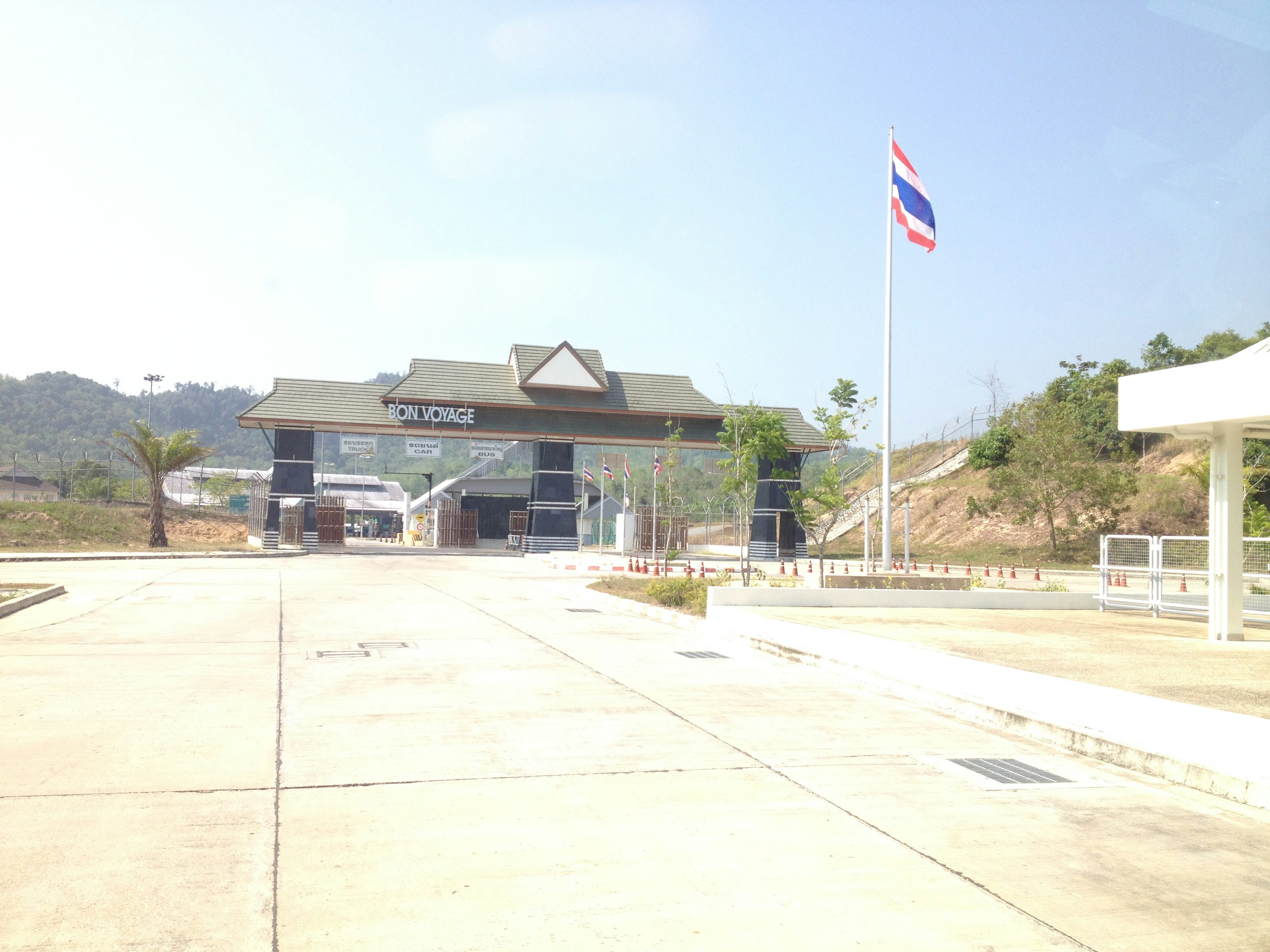
Introduction to the Border Conflict
The border conflict between Cambodia and Thailand has deep historical roots, reflecting a complex tapestry of territorial disputes that have persisted over centuries. The primary area of contention has often centered around the Preah Vihear Temple, a UNESCO World Heritage site, which has been claimed by both nations. The disputes over this significant historical site escalated in 2008 when both sides engaged in military standoffs that raised international awareness and concern regarding the longstanding tensions in the region.
Historically, the Cambodia-Thailand border has been marked by shifting boundaries established during colonial times, with the French colonial administration in Cambodia and the British colonial interests in Thailand playing pivotal roles in drawing these lines. As a result, many areas remain disputed, leading to both countries staking claims based on colonial treaties that are often interpreted differently. Moreover, the ethnic and cultural ties shared among communities on both sides add another layer of complexity to the ongoing tensions.
Throughout the years, clashes between military forces have erupted intermittently, often igniting nationalistic sentiments and leading to casualties and displacement of local populations. The region has, at times, become a focal point for larger geopolitical considerations, further complicating the relationship between Cambodia and Thailand. The border conflict not only affects the immediate vicinity but also bears implications for regional stability, trade, and diplomatic relations within Southeast Asia.
Recent escalations in hostilities have renewed international interest, drawing attention to the need for diplomatic resolutions and peaceful coexistence. Understanding this intricate history is crucial for deciphering the current dynamics at the Cambodia-Thailand border, elucidating how past grievances influence present situations, and the significance of addressing these tensions for both nations’ futures.
Recent Armed Clashes: An Overview
The border region between Cambodia and Thailand has recently witnessed a series of armed clashes, escalating tensions that date back several years. These incidents primarily stem from long-standing territorial disputes and differing interpretations of border demarcations. The most significant clashes erupted between soldiers from both nations in September 2025, near the disputed area close to the Preah Vihear Temple, a location with deep historical and cultural significance for both countries. This particular incident involved sporadic gunfire that led to injuries on both sides, alarming local communities and raising concerns regarding military engagement in civilian areas.
The timeline of these clashes suggests a troubling trend; in addition to the September incidents, several skirmishes were reported throughout August, characterized by artillery exchanges and accusations of military provocations. Eyewitness accounts indicate that residents in nearby villages often found themselves caught in the crossfire, forced to evacuate their homes for safety. Many described nights filled with anxiety and uncertainty as tensions escalated and military presence intensified. Local authorities reported damage to property and agriculture in these areas, exacerbating the already fragile socioeconomic conditions in border communities.
Escalation of Military Actions
The recent escalation of military actions along the Cambodia-Thailand border has drawn significant attention from regional and international observers. Thailand’s decision to deploy F-16 fighter jets to the vicinity has raised concerns about the potential for increased conflict. This measure appears to be a response to allegations of hostile activities from Cambodian forces, highlighting the fragile situation in an area with a history of territorial disputes. The strategic rationale behind deploying advanced military assets such as F-16s is to reinforce Thai sovereignty and deter potential incursions or aggressive actions from neighboring Cambodia.
Reports of airstrikes targeting specific Cambodian positions further illustrate the gravity of the situation. Although the Thai government has characterized these strikes as precautionary, aimed at safeguarding national security, they inevitably escalate tensions in the region. The use of such military force can inflame local sentiments and provoke retaliatory actions from Cambodia, leading to a potentially dangerous cycle of violence that risks drawing in other regional players. The situation calls into question the long-term implications for peace and stability along the border.
Moreover, the ramifications of these military actions extend beyond the immediate geographical context. In a globalized world, regional conflicts can influence international relations, particularly in Southeast Asia, where many nations maintain vested interests. The involvement of outside powers—whether through diplomatic channels or military alliances—may complicate the situation further. Observing these developments, it becomes critical for international actors to advocate for dialogue and peaceful resolution, as continuing military confrontations may lead to wider regional instability. The world is watching closely as Cambodia and Thailand navigate this precarious situation.
Cambodia’s Response: Accusations and Denials
The recent military confrontations at the Cambodia-Thailand border have prompted a series of official statements from Cambodian authorities, who have firmly condemned Thailand’s actions. Cambodian officials have accused Thailand of engaging in unprovoked attacks, which they claim constitute a breach of sovereignty and international protocol. These allegations have been articulated through press releases and public speeches, aimed at not only addressing the immediate military tensions but also reinforcing Cambodia’s territorial integrity.
The Cambodian government has strategically positioned itself as the victim in this situation, emphasizing the narrative of aggression from the Thai side. Officials argue that the military operations conducted by Thailand lack justification and arise from an unfounded territorial assertion. By framing the events in this context, the Cambodian leadership seeks to consolidate domestic support and affirm its legitimacy as a defender of national sovereignty. Additionally, this stance may be viewed as an attempt to rally regional allies and garner sympathy from the international community regarding Cambodia’s position.
Statements from Officials: The Role of Leadership
Recent developments at the Cambodia-Thailand border have prompted significant responses from Cambodian leadership, particularly from Senate President Hun Sen. His strong declarations regarding the rising tensions reflect a keen awareness of national interests and territorial integrity. Hun Sen emphasized the importance of maintaining a firm stance, articulating a clear warning to all parties involved: any violation of Cambodia’s sovereignty will not be tolerated. This assertion embodies the concept of a ‘military red line,’ which signifies a threshold that, if crossed, would trigger a forceful response from the Cambodian armed forces.
The implications of such statements are profound, highlighting the crucial role of leadership in navigating complex geopolitical situations. By delineating this military red line, the government positions itself as a defender of national sovereignty, a move designed to rally both public and military support. This approach could serve to strengthen national unity, encouraging citizens to stand in solidarity with their leaders. The notion of a military red line is not merely reflective of defensive posturing; it also serves as a deterrent against potential aggressors who may underestimate Cambodia’s resolve.
Furthermore, Hun Sen’s comments can be viewed as a strategy to assert Cambodia’s influence in the region, particularly amidst ongoing territorial disputes. By projecting a strong leadership image, the Cambodian government aims to foster a sense of stability both domestically and internationally. In this context, the resolutions to the border situation will depend heavily on diplomatic engagement, but the firm language used by officials indicates a readiness to protect national interests vigorously. Ultimately, the effectiveness of such statements will hinge on the government’s ability to balance assertiveness with diplomacy, ensuring the maintenance of peace while safeguarding Cambodia’s sovereignty.
Impact on Civilians and Local Communities
The escalating tensions at the Cambodia-Thailand border have profound implications for civilian populations residing in the affected regions. As military activities increase, many families face the threat of violence and instability, fundamentally altering their daily lives. The humanitarian consequences are acute, with instances of forced displacement becoming more common. People are often compelled to abandon their homes, leaving behind their possessions and livelihoods. This tragic situation reflects a broader issue of internal displacement that can lead to overcrowded shelters and strained resources in safer areas.
Safety concerns are paramount for those living near the border. Civilians often find themselves caught in the crossfire of military operations or exposed to armed clashes. The fear of sudden eruptions of violence has prompted many to reconsider their routines, leading to a climate of anxiety. Children, in particular, are affected immensely by the conflict, as their access to education and safe play areas is compromised. Psychological impacts on young individuals can result from constant exposure to such turmoil, leaving lasting scars even after the conflict subsides.
International Reactions and Diplomatic Efforts
The rising tensions at the Cambodia-Thailand border have drawn significant international attention, provoking responses from various neighboring countries and international organizations. Such reactions underline the global implications of border disputes, which can serve as flashpoints for broader regional instability. Neighboring nations like Vietnam and Laos have expressed concern, emphasizing the need for peaceful dialogue and resolution to avoid further escalation. Their calls reflect a collective interest in maintaining regional stability, as tensions can easily spill over and disrupt peace in the Southeast Asian region.
International organizations, such as the Association of Southeast Asian Nations (ASEAN) and the United Nations (UN), have also been closely monitoring the situation. ASEAN has advocated for measures to prevent any military confrontation and has urged Thailand and Cambodia to engage in constructive dialogues. This organization’s collective framework aims to foster cooperation and mutual understanding within the region, making its involvement crucial in this context. Furthermore, the UN has reiterated its commitment to supporting peace-building efforts and has encouraged both parties to seek mediation if necessary.
Diplomatic efforts aimed at de-escalation have been initiated by various stakeholders. Countries outside the immediate region, including the United States and China, have expressed their willingness to facilitate discussions that could lead to a reduction of hostilities. The potential influence of global geopolitics is evident, as major powers recognize the strategic importance of Southeast Asia amid shifting international dynamics. Encouraging diplomatic channels and fostering a collaborative approach are essential steps that can help pave the way for a resolution. In conclusion, the coordinated international responses and ongoing diplomatic efforts are pivotal in addressing the tensions at the Cambodia-Thailand border, highlighting the interconnected nature of security and diplomacy in global affairs.
Historical Context: Lessons from the Past
The border tensions between Cambodia and Thailand are not a recent phenomenon; rather, they are deeply rooted in a long history of conflict and rivalry. Historically, the relationship between these two neighboring countries has been characterized by territorial disputes, particularly concerning the famous Preah Vihear Temple, which has sparked significant disagreements. The 1962 International Court of Justice ruling, which awarded sovereignty of the temple to Cambodia, further intensified bilateral strife but also highlighted the complexities of border negotiations and territorial claims that persist to this day.
In addition to territorial issues, periods of colonial rule and geopolitical battles during the 20th century played significant roles in shaping the dynamics between Cambodia and Thailand. The French colonial administration greatly influenced Cambodia, creating structural problems that continue to affect relations today. Additionally, the fluctuating power dynamics during the Cold War have fostered distrust and competition. Both nations sought allies to counteract threats from each other, culminating in a series of skirmishes and diplomatic crises.
Each episode of conflict holds vital lessons for current diplomacy and conflict resolution strategies. For instance, the need for open communication channels and diplomacy is paramount if both nations are to navigate their differences peacefully. Historical patterns indicate that escalation often leads to exacerbated tensions, highlighting the importance of developing diplomatic frameworks to address grievances rather than resorting to military engagement. Furthermore, the role of regional organizations in mediating disputes is crucial; these bodies can provide platforms for dialogue and collaborative problem-solving strategies based on historical precedents.
Understanding these historical contexts is essential to formulating effective diplomatic solutions as Cambodia and Thailand navigate their contemporary challenges and strive for a more stable and cooperative future along their shared border.
Looking Ahead: Potential Scenarios and Solutions
The ongoing tensions at the Cambodia-Thailand border pose significant challenges for both nations, raising concerns not only for regional stability but also for broader geopolitical dynamics in Southeast Asia. As we analyze the current situation, several potential scenarios emerge for the future of this border dispute. Each scenario is influenced by prevailing conditions, historical precedents, and the priorities of both governments.
One possible trajectory is the escalation of tensions, where continued misunderstandings and nationalistic sentiments lead to increased military presence along the border. In this scenario, minor incidents could spiral into more significant confrontations, threatening the safety of communities in the border regions. Such a development would not only strain bilateral relations but could also invite international scrutiny and a call for intervention, as both countries become ensnared in a cycle of retaliatory actions.
Conversely, negotiation and dialogue represent a more optimistic outcome. Both Cambodia and Thailand have a shared interest in stability and economic cooperation. Diplomatic efforts, potentially facilitated by regional organizations such as ASEAN, could lead to a renewed commitment to diplomatic channels. The establishment of joint task forces to address border management and resource sharing could ameliorate tensions while fostering mutual trust.
Lastly, a focus on conflict resolution through third-party mediation might yield positive results. Involving respected entities in mediation could provide a neutral ground for both nations to discuss their grievances, ultimately working towards a comprehensive settlement. This scenario emphasizes the role of diplomacy in resolving disputes and highlights the importance of establishing communication mechanisms to address future issues without resorting to military action.
In conclusion, the future of the Cambodia-Thailand border situation remains uncertain, with various potential scenarios on the horizon. Achieving a peaceful resolution will depend on the commitment of both governments to engage in constructive dialogue and prioritize the interests of their citizens over nationalistic rhetoric. By emphasizing diplomatic solutions, it is conceivable that the current tensions can be alleviated, paving the way for a more harmonious relationship between the two nations.