
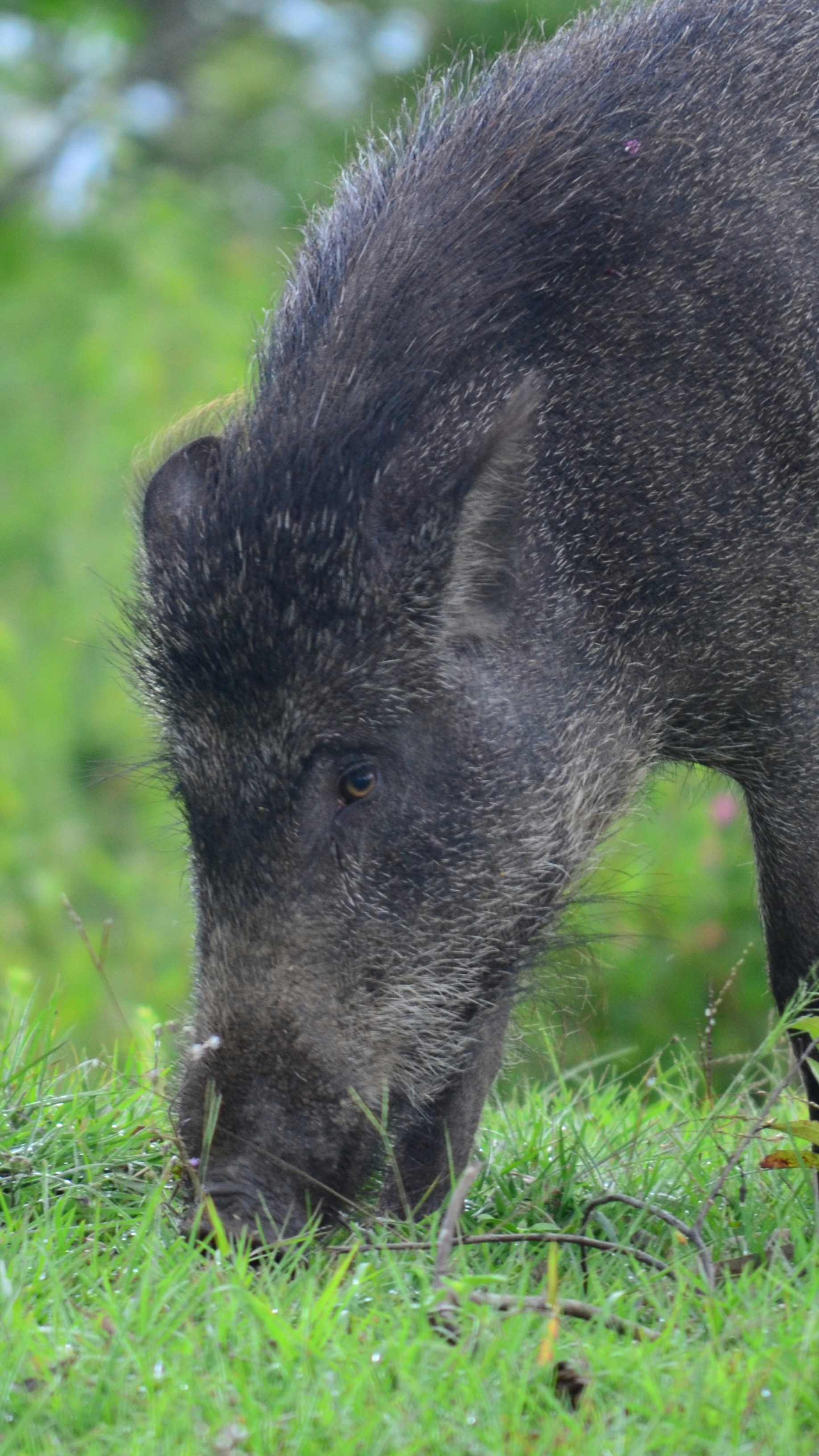
Overview of African Swine Fever
African Swine Fever (ASF) is a highly contagious viral disease affecting domestic and wild pigs, with origins traced back to Africa in the early 20th century. The causative agent is the African Swine Fever virus (ASFV), which has a complex genome and is resistant to many environmental conditions. First identified in 1921 in Kenya, ASF has since spread across numerous countries, causing significant losses in swine populations and sparking concerns about food security globally.
The modes of transmission of ASF are primarily through direct contact between infected and susceptible pigs; however, the virus can also spread indirectly via contaminated feed, equipment, or surfaces. Wild boars are known to play a crucial role in maintaining the virus in the environment, acting as reservoirs for its transmission. Moreover, ASF can persist in body fluids and tissues for extended periods, complicating eradication efforts. The disease is not transmissible to humans, but its impact on the agricultural sector is profound.
Symptoms of ASF can range from mild to severe, including high fever, loss of appetite, lethargy, and hemorrhagic lesions on the skin. Affected animals may exhibit signs of respiratory distress, coughing, and a sudden drop in productivity. The mortality rate for infected pigs can reach nearly 100%, leading to drastic declines in population numbers and devastating economic consequences for farmers and the agriculture industry as a whole.
The implications of ASF extend beyond immediate animal welfare concerns; it poses a significant threat to food security and the global pork supply chain. With China being the largest consumer and producer of pork, the spread of ASF has already disrupted markets and increased prices. Understanding the nature and implications of African Swine Fever is crucial for addressing this veterinary and economic challenge effectively.
Recent Outbreaks and Proximity to France
The recent resurgence of African Swine Fever (ASF) in Spain has raised significant concerns, particularly as the outbreak is located merely 120 kilometers from the French border. The first cases were reported in the summer months of this year, with the disease rapidly spreading across various regions in Spain, leading to mounting alarm among local authorities.
To provide a more comprehensive understanding, the timeline of the outbreak reveals that initial cases were detected in specific provinces known for intensive pig farming. Following these reports, there has been a notable increase in the number of ASF cases, escalating worries about the virulence of the virus and its potential to decimate swine populations in neighboring areas. Spain has reported over a hundred confirmed cases, painting a concerning picture of the disease’s trajectory.
Geographically, the situation becomes more critical when considering Spain’s proximity to France. The ongoing outbreaks are not only limited to one region; they are distributed across multiple provinces, which increases the risk of further transmission. ASF can be introduced into France either directly through wildlife or indirectly via human activities. The French authorities, acknowledging the serious threats posed by these outbreaks, are considering various preventive measures, including heightened surveillance and potential quarantine protocols.
The ramifications of these outbreaks are profound, with potential economic impacts on the agriculture sector and concerns over food security. The interconnected nature of European markets means that any outbreak could have cascading effects beyond immediate geographic boundaries, prompting a collective response to safeguard animal health. As the situation continues to evolve, both countries are on alert, working to mitigate the risks posed by African Swine Fever.
Laboratory Leaks and Biosecurity Concerns
The potential for laboratory leaks has emerged as a significant concern in the context of disease transmission, particularly regarding African Swine Fever (ASF). Laboratory practices designed to contain infectious agents must adhere to stringent biosecurity measures. When these protocols are compromised, the risk of pathogens escaping increases, potentially exacerbating the spread of diseases like ASF. Notably, past incidents highlight the ramifications of such breaches; for instance, leaks from research facilities involving zoonotic viruses have led to outbreaks that affected livestock populations and, in some cases, human health.
Biosecurity protocols are fundamental in preventing laboratory-associated incidents that can lead to wider epidemics. This entails the implementation of practices such as restricted access to pathogen research areas, regular training for laboratory personnel, and the use of advanced containment equipment. Furthermore, continuous risk assessments help in adapting these measures to the evolving landscape of infectious diseases. The reliance on outdated protocols or insufficient funding for biosecurity can jeopardize the safety of surrounding environments.
Instances of laboratory leaks underscore the urgency for governance focused on enhancing biosafety practices. For example, the release of a highly pathogenic virus from a facility due to a procedural failure raised alarm bells globally and led to renewed discussions on the necessity of comprehensive inspections and policy reevaluation. The possibility of being exposed to ASF due to laboratory mismanagement poses a real threat, mandating strict adherence to protocols that ensure both human and animal health are safeguarded. With the emergence of ASF near France, it has become paramount to ensure that biosecurity remains an essential aspect of laboratory operations.
French Authorities’ Response and Control Measures
In light of the escalating threat posed by African Swine Fever (ASF) in neighboring regions, French authorities have implemented a multi-faceted response aimed at preventing the disease’s incursion into France. A cornerstone of these efforts is an enhanced surveillance system targeting both domestic and wild boar populations. Local veterinarians and wildlife officials have been mobilized to monitor the health of these animals closely. The state is prioritizing the collection of samples from wild boar carcasses, with testing protocols established to identify potential ASF outbreaks promptly.
The control measures have also extended to public awareness campaigns, which play a critical role in educating the populace about ASF. These campaigns aim to inform farmers, hunters, and the general public about the signs of ASF and encourage reporting of any suspicious cases. The government emphasizes the importance of biosecurity protocols for swine farms, advising strict measures to prevent cross-contamination and the introduction of ASF through contaminated equipment, clothing, or food supplies.
Moreover, collaboration with neighboring countries has emerged as a pivotal strategy. France is working closely with governments of bordering nations, including Germany and Spain, to implement coordinated measures. This collaboration includes joint exercises, intelligence sharing on ASF outbreaks, and aligning biosecurity protocols to create a unified front against ASF. By fostering regional cooperation, French authorities hope to effectively reduce the risk of ASF crossing borders and impacting France’s pork industry.
The expected effectiveness of these strategies lies in their comprehensive approach. By integrating surveillance, public education, and international cooperation, France aims to safeguard its livestock industry from the devastating impact of ASF. The commitment to these control measures not only reflects the seriousness of the threat but also demonstrates the proactive stance that has been adopted to protect its agricultural interests.
You might also like:
- Liverpool and Real Madrid: Are They Really Swapping Players for $210 Million?
- Zach Bryan Announces ‘With Heaven On Tour’: What to Expect
- Germany’s 2026 Budget: Key Highlights and Emerging Trends
- The Resilience of the US Dollar: Analysis of Current Trends and Future Expectations
- Han Sara Shines at Korea Top Brand Awards 2026: A Rising Star Among Legends