
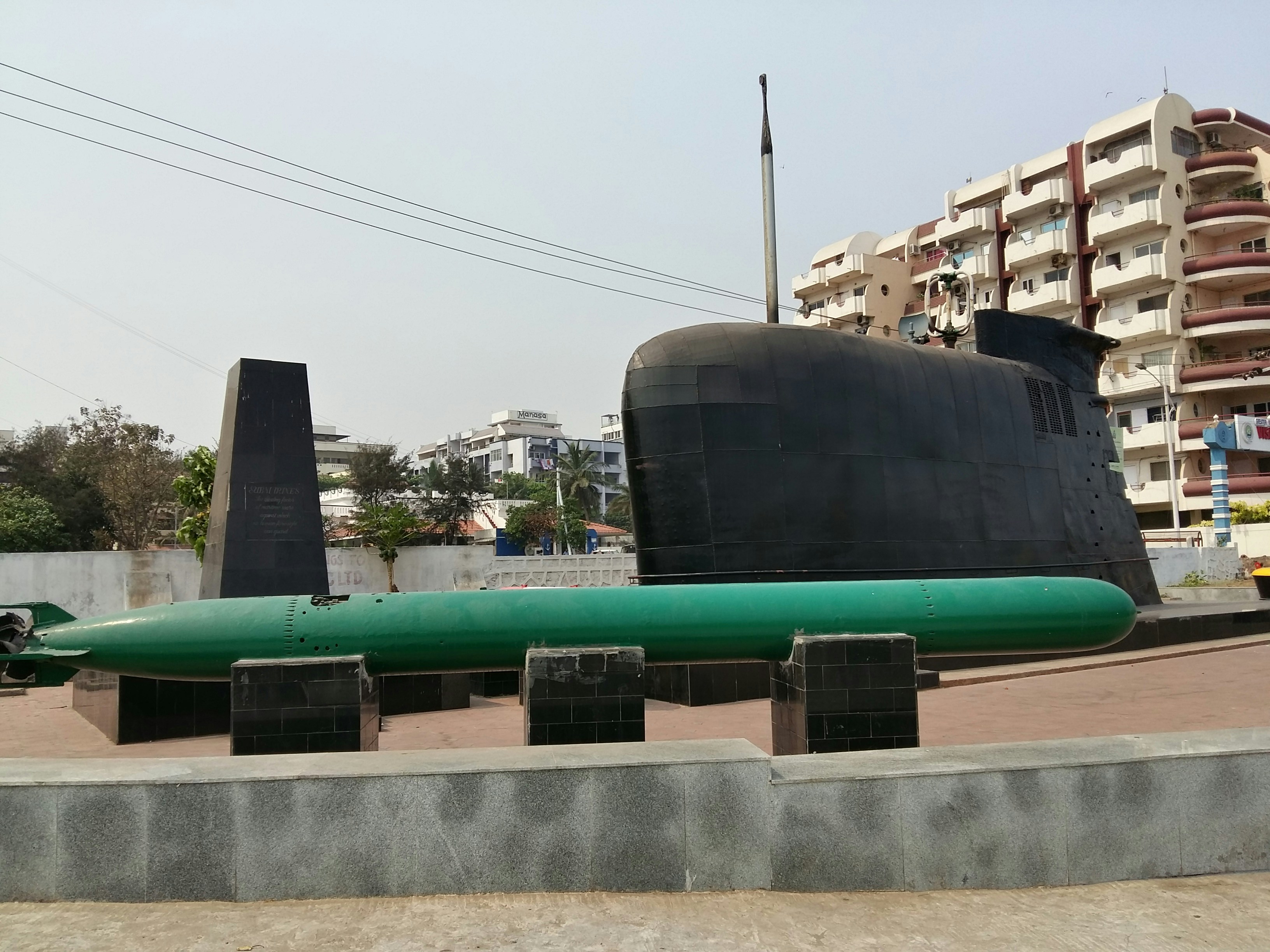
Introduction to the Khabarovsk Submarine
The Khabarovsk submarine, a formidable addition to the Russian Navy, signifies a leap in naval engineering and strategic capabilities. Launched as part of Russia’s ambitions to modernize its fleet, the Khabarovsk is designed with advanced stealth features that allow for enhanced underwater operations. Its sleek hull and innovative construction materials contribute to a reduced acoustic signature, facilitating covert missions in various maritime environments.
This next-generation submarine is not just a remarkable feat of engineering; it embodies a significant shift in Russia’s naval strategy. Equipped with the state-of-the-art Poseidon torpedoes, which are capable of long-range engagements, the Khabarovsk enhances the Russian Navy’s operational reach and effectiveness. These torpedoes are designed for a variety of missions, including anti-ship roles and strategic deterrence, which align with Russia’s overarching defense objectives.
Furthermore, the Khabarovsk submarine’s design incorporates modular systems, allowing for upgrades and modifications to adapt to evolving threats. This adaptability ensures that the submarine remains relevant in the face of changing warfare paradigms. The vessel’s electronic warfare capabilities and advanced sensor systems provide it with superior situational awareness, making it a crucial asset in the modern naval theater.
In the broader context of Russia’s military capabilities, the Khabarovsk serves not only as a symbol of naval strength but also as a key player in regional geopolitics. Its deployment signifies Russia’s commitment to maintaining a robust maritime presence and responding effectively to global challenges. As such, the Khabarovsk submarine is poised to play an integral role in shaping the naval dynamics of the future.
Understanding Poseidon Nuclear Torpedoes
The Poseidon nuclear torpedoes, developed by Russia, represent a significant advancement in underwater warfare capabilities. These unmanned underwater vehicles (UUVs) are designed for a multitude of missions, including land and maritime strikes, with the ability to carry nuclear warheads. Specifications indicate that Poseidon torpedoes can reach depths of approximately 1,000 meters and travel at speeds of over 60 knots, positioning them beyond the reach of conventional anti-submarine defenses. This robust performance creates a formidable presence in naval operations.
One of the core purposes of the Poseidon torpedo is to enhance deterrence strategies. By allowing for second-strike capability during a nuclear conflict, these underwater systems redefine traditional military doctrines. Their stealthy approach and extended range enable naval forces to project power in contested waters, thereby influencing geopolitical dynamics. The capacity to target coastal installations and strike major urban centers raises concerns for potential adversaries, compelling them to reconsider their maritime security strategies.
The strategic advantages provided by Poseidon torpedoes extend beyond their operational range and speed. Their nuclear payload capability delivers a unique aspect to naval warfare, shifting threat perceptions. In an era where asymmetric warfare is increasingly common, the Poseidon can operate in denied environments, rendering conventional naval assets vulnerable. As fleets evolve, these torpedoes are expected to serve not only as tactical weapons but also as strategic tools impacting naval engagements at the highest levels.
Incorporating Poseidon torpedoes into the Khabarovsk submarine amplifies Russia’s naval prowess. This advancement presents a direct challenge to international naval supremacy, underscoring the ongoing evolution of undersea warfare. Consequently, understanding the significance of the Poseidon nuclear torpedoes will be crucial as nations navigate the complexities of modern maritime security and military strategy.
Geopolitical Implications of the Khabarovsk Launch
The launch of Russia’s Khabarovsk submarine, equipped with advanced Poseidon torpedoes, marks a significant shift in the balance of naval power and intensifies the current geopolitical landscape. This innovation not only enhances Russia’s maritime capabilities but also serves as a strategic signal to other nations about its military aspirations. The Khabarovsk is projected to play a pivotal role in Moscow’s defense strategy, promoting its interests in contested regions. This capability is particularly relevant given the submarine’s potential to engage in covert operations and deliver a potent response mechanism against perceived threats.
In reaction to the developments surrounding the Khabarovsk submarine, NATO member states have expressed heightened concern regarding regional stability. The introduction of such technology raises the stakes in the ongoing arms race, as NATO countries are compelled to reassess their defense strategies. This sense of urgency is evident in the increased discussions about modernization programs across member states, as they seek to counterbalance Russia’s augmented naval prowess. Furthermore, the Khabarovsk emphasizes the versatility of underwater warfare, indicating a possible shift in military engagements toward asymmetric responses, with potential repercussions for military alliances and partnerships.
As the Khabarovsk submarine becomes operational, it could shift maritime security dynamics, especially in strategically significant areas like the Arctic and the North Atlantic. Countries bordering these regions may find themselves reevaluating their own military capabilities in consideration of Russia’s advancements. This potential escalation could further exacerbate tensions and lead to a more fragmented security environment. The implications extend beyond immediate regional actors, as other global powers watch closely, contemplating their strategic postures in light of the Khabarovsk’s launch. The unfolding scenario could initiate a ripple effect impacting international maritime policies and global security frameworks in the coming years.
Future Prospects for Naval Warfare
The advent of advanced technologies such as the Khabarovsk submarine equipped with Poseidon torpedoes is poised to radically transform the landscape of naval warfare. As nations increasingly invest in cutting-edge naval capabilities, the prospect of how naval conflicts are conducted is evolving. The integration of unmanned systems, augmented reality, and artificial intelligence is expected to enhance decision-making processes in maritime operations, allowing for greater situational awareness and faster response times.
Furthermore, the emphasis on stealth and submersible capabilities exemplified by the Khabarovsk highlights a broader trend towards silent warfare. This characteristic may necessitate a reevaluation of traditional naval strategies, where surface ships previously dominated maritime engagements. The Khabarovsk submarine, for instance, is designed for long-endurance missions, indicating a shift towards persistent maritime presence that could redefine deterrence strategies amongst rival nations.
As countries pursue advancements in submarine technology, the implications extend beyond mere military capabilities. The Poseidon torpedo itself represents a significant escalation in underwater weaponry, capable of carrying nuclear payloads and challenging existing naval defense systems. This innovation may compel nations to reconsider existing arms control frameworks, prompting discussions on new treaties that specifically address the challenges posed by high-performance submarines and their weapon systems.
Moreover, understanding that emerging technologies are influencing both offensive and defensive strategies will be crucial for naval commanders. Nations may increasingly adopt hybrid approaches to warfare that blend conventional tactics with new technological capabilities. The ability to conduct asymmetric operations at sea, utilizing small craft alongside advanced submarines, may provide strategic advantages in asymmetrical conflict environments.
In conclusion, the future of naval warfare is likely to be characterized by significant technological advancements, necessitating a strategic rethink among global naval powers, while underscoring the importance of arms control discussions in maintaining maritime stability.
You might also like:
- Sheikh Hasina and Granddaughter Convicted: A Look at the Corruption Ruling
- O Preço do Ethereum Hoje: 20 de Outubro de 2025
- Ultimate Showdown: Philadelphia Eagles vs. Dallas Cowboys
- Navigating Social and Labour Challenges in Germany: The Paradox of Skilled Worker Shortage and Unemployment
- Incident in the East Sea: US Military Aircraft Crash