
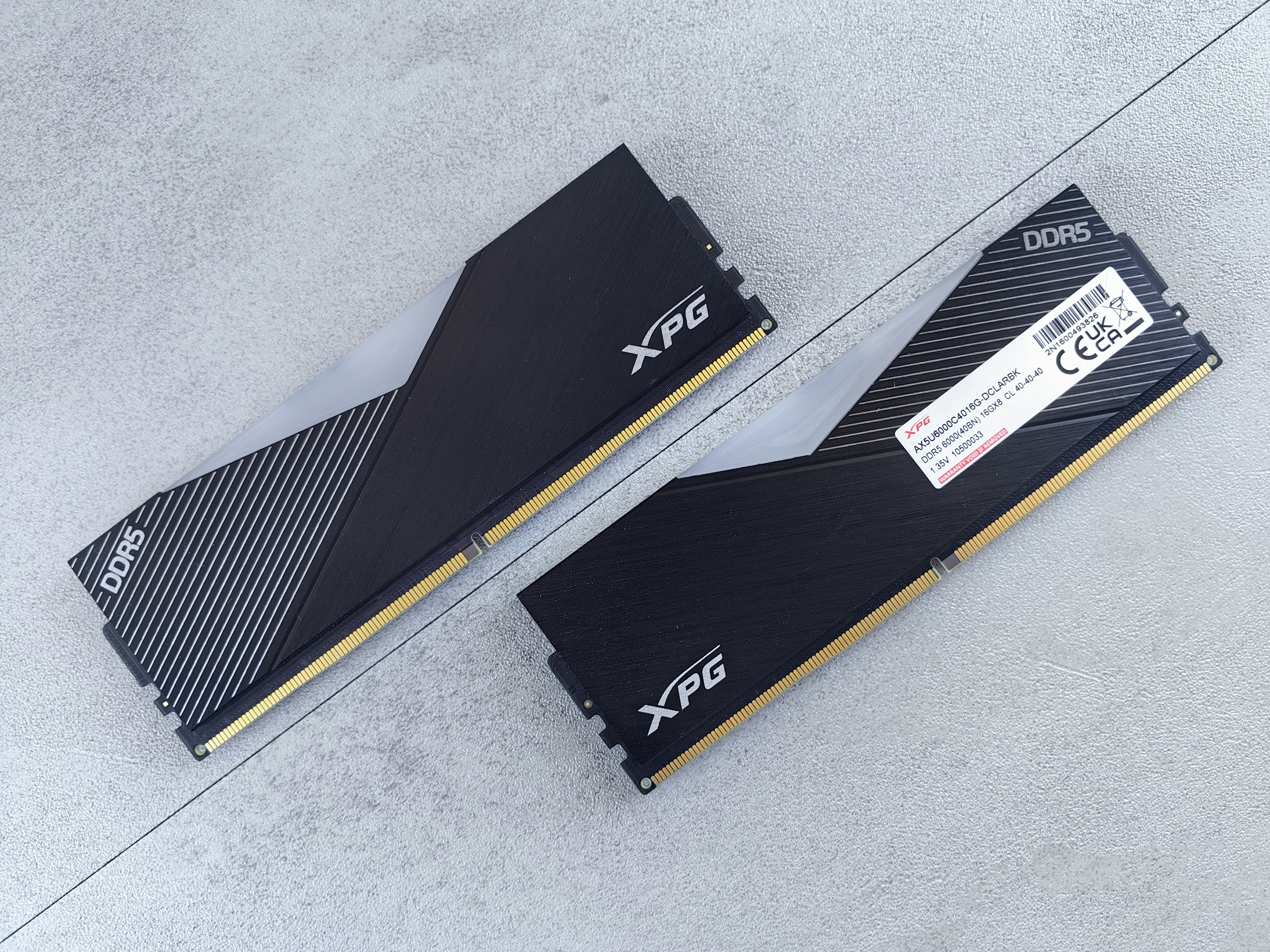
Introduction to LPDDR6 RAM
The LPDDR6 RAM represents the latest evolution in low-power memory technology, building upon the robust foundation established by its predecessor, LPDDR5. This new generation of memory is specifically designed to meet the growing demands of high-performance mobile devices, including smartphones and tablets, where efficiency and speed are paramount. One of the primary distinctions between LPDDR6 and LPDDR5 lies in data transfer speeds; LPDDR6 is engineered to offer higher bandwidth and improved data rates, which is crucial for applications requiring rapid processing power such as gaming, video streaming, and artificial intelligence functionalities.
Technological advancements in memory architecture have played a significant role in the development of LPDDR6. This newer memory type employs sophisticated techniques such as advanced signal processing and enhanced depth of memory cells, which contribute to greater efficiency and lower power consumption. While LPDDR5 already provided substantial improvements over LPDDR4X, the leap to LPDDR6 is characterized by a marked increase in performance metrics, potentially doubling the maximum data transfer speed from 6400 MT/s to 8500 MT/s. Such improvements can directly enhance user experiences by facilitating quicker app launches, smoother multitasking, and overall more responsive device interactions.
The significance of LPDDR6 in the context of mobile devices cannot be overstated. As mobile technology continues to evolve, the need for faster and more efficient memory solutions becomes increasingly critical. LPDDR6 is poised to play a crucial role in this landscape, enabling manufacturers to create devices that not only meet but exceed user expectations. With its innovative architecture and high data transfer capabilities, LPDDR6 RAM is set to be a transformative force, pushing the boundaries of mobile performance and paving the way for advanced functionalities in future smartphones and tablets.
Performance Enhancements of LPDDR6
Samsung’s introduction of LPDDR6 RAM marks a significant advancement in mobile memory technology, bringing forth numerous performance enhancements, particularly when compared to its predecessor, LPDDR5. One of the most notable improvements is the data transfer rate, which has increased to a staggering 8.5 Gbps. This enhancement facilitates quicker access to data, enabling smoother operation and improved responsiveness in mobile devices.
In addition to remarkable data transfer rates, LPDDR6 boasts a substantial increase in bandwidth. With a bandwidth of up to 68 GB/s, users can experience enhanced performance during demanding applications, such as high-resolution gaming and video editing. Enhanced bandwidth is essential for multitasking, as it allows multiple applications to run simultaneously without a noticeable drop in performance.
Another critical metric where LPDDR6 excels is latency reduction. The new RAM technology significantly decreases the time it takes for data to be fetched and processed, providing a more seamless experience when switching between applications or loading content-heavy tasks. As mobile applications continue to evolve, the demand for lower latency becomes paramount, and LPDDR6 effectively meets this need.
Real-world applications of the performance enhancements provided by LPDDR6 can be seen across a variety of tasks. Gamers will benefit from quick load times and enhanced frame rates, leading to an overall better gaming experience. Similarly, professionals working with resource-intensive activities, such as video editing or 3D rendering, will appreciate the efficient data processing capabilities that LPDDR6 offers. Additionally, high-resolution video streaming will become even more enjoyable with the increased speed and reduced buffering times.
As mobile technology continues to advance, the implementation of LPDDR6 RAM represents a crucial step towards fulfilling the soaring performance demands of modern applications, solidifying its place as the future of mobile memory innovation.
Power Efficiency and Security Features
The advent of LPDDR6 RAM signifies a notable improvement in power efficiency, which is crucial for modern mobile devices. By leveraging advanced manufacturing processes and innovative architectural designs, LPDDR6 is engineered to consume less power while delivering superior performance. This enhancement allows smartphones, tablets, and other mobile devices to manage energy consumption more effectively, thus extending battery life significantly. In performance-demanding scenarios, such as gaming or multitasking, LPDDR6 RAM maintains high efficiency levels, ensuring that users can engage in various activities without the constant worry of draining their battery too quickly.
In addition to power efficiency, LPDDR6 incorporates several new security features designed to protect user data against evolving threats and vulnerabilities. As the digital landscape becomes increasingly complex, safeguarding personal information is paramount. LPDDR6 employs built-in encryption mechanisms that ensure data traveling between the RAM and the CPU is secure, thus reducing the risk of unauthorized access and potential breaches. These security enhancements not only protect sensitive user data but also augment overall device security against modern cyber threats.
Moreover, the architecture of LPDDR6 RAM is optimized for better fault tolerance and secure data management. Features such as error correction codes (ECC) provide an additional layer of security by identifying and correcting potential data corruption. This capability ensures that data integrity is maintained, even in challenging conditions. As consumers become more reliant on their mobile devices for various tasks, ranging from financial transactions to communications, the importance of robust power efficiency and security features will only continue to grow. LPDDR6 RAM, with its innovative attributes, sets a new standard in mobile technology, addressing both the performance demands and security needs of today’s users.
Impact on Future Mobile Flagships
The introduction of Samsung’s LPDDR6 RAM is poised to have significant implications for future mobile flagship devices. As smartphone manufacturers continually seek to enhance performance, efficiency, and user experience, the advancements offered by LPDDR6 technology are likely to become a pivotal factor in the evolution of high-end mobile devices. With the capacity for greater data transfer speeds and reduced power consumption, LPDDR6 RAM allows for smoother multitasking and more demanding applications, setting a new benchmark for what consumers can expect from their smartphones.
Industry experts predict that as competition intensifies within the smartphone market, manufacturers will increasingly adopt LPDDR6 RAM to gain a technological edge. This could lead to a new generation of flagships capable of supporting high-resolution gaming, augmented reality applications, and advanced artificial intelligence features that require robust processing power. By utilizing this cutting-edge RAM, manufacturers can push the limits of what is possible in mobile technology, thereby enhancing overall device performance and longevity.
Additionally, the integration of LPDDR6 RAM could inspire innovative design strategies among smartphone makers. For instance, with improved efficiency, it may become feasible to utilize slimmer batteries without compromising on performance, resulting in lighter devices without sacrificing longevity. This advancement may also pave the way for more powerful cameras and improved graphics processing units (GPUs), further augmenting overall user experience.
Moreover, as LPDDR6 RAM becomes more accessible, competitive pricing may encourage its adoption across a broader range of devices, which could democratize access to high-performance features. Consequently, consumers may soon witness a paradigm shift in mobile technology, where flagship capabilities become more commonplace in mid-range devices, leading to a more dynamic and competitive market landscape.





