
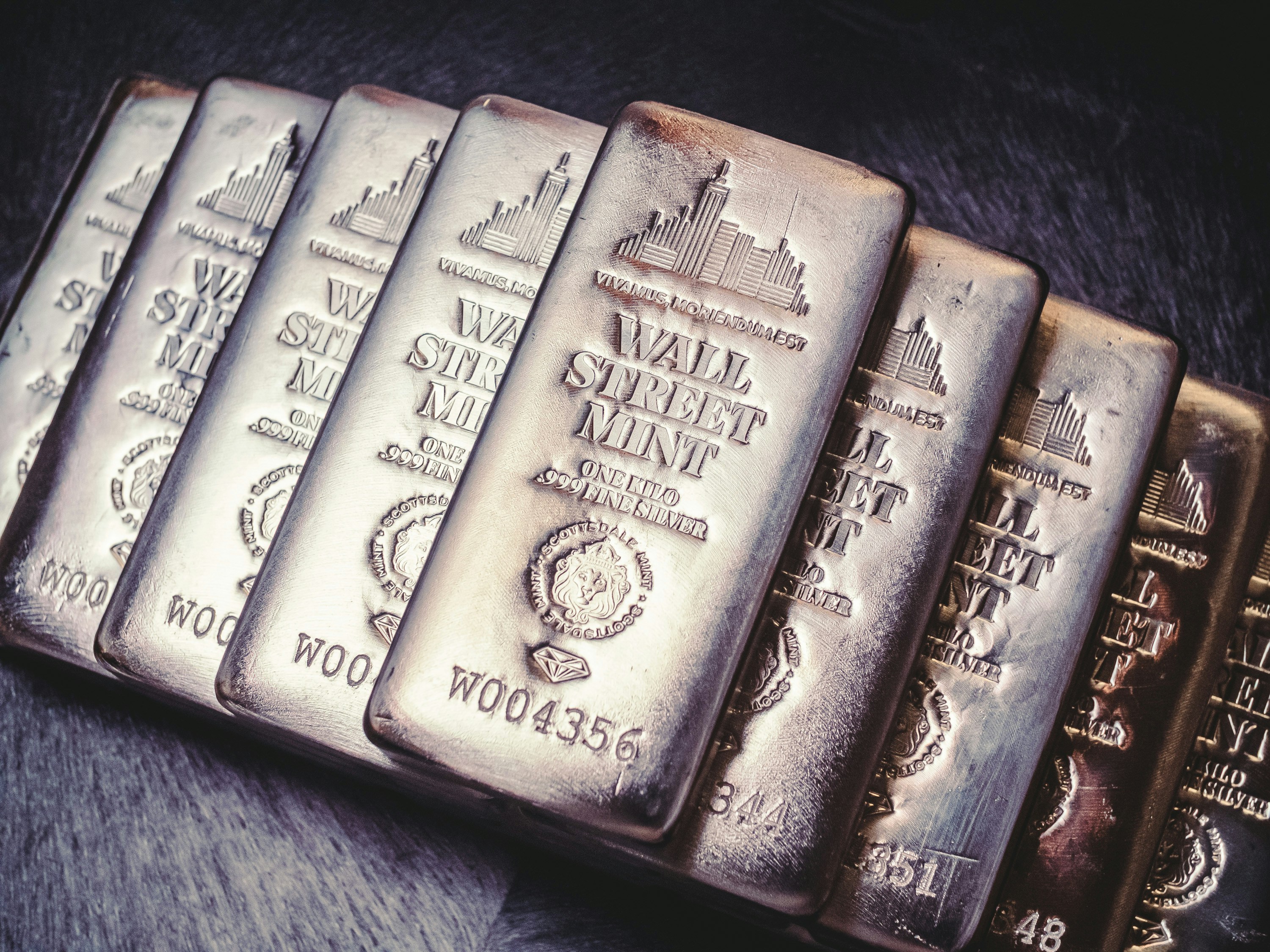
Introduction to the Silver Market Volatility
The silver market has long been recognized for its inherent volatility, characterized by significant fluctuations in price that can occur over short periods. Recent developments have intensified this volatility, particularly on October 22, 2025, a day that will be remembered for its dramatic changes. Leading up to this date, silver has experienced a series of rapid price increases, which can be attributed to various factors including heightened demand, evolving economic conditions, and speculation among investors.
Prior to October 22, 2025, the surge in silver prices was fueled by an uptick in industrial demand, especially from sectors such as electronics and renewable energy. Additionally, geopolitical tensions and inflationary pressures heightened investor interest in precious metals as a safe-haven asset. The culmination of these factors created a bullish sentiment in the silver market, prompting many to invest heavily in this commodity. However, such rapid ascents can often result in a substantial pullback, as seen on the fateful day in question.
On October 22, 2025, the dynamics of the silver market shifted dramatically, with prices plummeting and leaving investors wary. This sudden downturn stands in stark contrast to the preceding bullish phase, reflecting the unpredictable nature of silver as an asset class. Traders and analysts alike have sought to understand the underlying reasons for this turbulence, which may include profit-taking, changes in market sentiment, and external economic pressures. By examining these elements, we can better appreciate the complexities that underpin the silver market and the impact they have on both short-term and long-term investing strategies.
Recent Price Trends and Record Highs
The silver market has experienced notable fluctuations leading up to the volatility observed in October 2025. Prior to this period, the price of silver had shown a consistent upward trajectory, traversing through various price thresholds that caught the attention of investors and market analysts alike. In particular, a significant milestone was reached when silver prices soared past the $53 per ounce mark, a record that had not been witnessed in recent years.
This achievement marked a pivotal moment for the silver market, propelling both enthusiasm and concern among stakeholders. Investors who had positioned themselves favorably prior to this ascent reaped substantial rewards, witnessing their portfolios grow as silver’s value surged. This climb came amid growing demand for silver in various sectors, including technology and renewable energy, which contributed to a more bullish sentiment within the marketplace.
Alongside this tremendous price increase, the market saw fluctuations driven by external factors such as geopolitical tensions, global economic indicators, and shifts in currency values. These elements heightened investor focus on silver as a safe haven asset, leading to increased trading volumes and price volatility. Analysts observed that the crossing of the $53 threshold fueled speculative trading, with both seasoned investors and novices looking to capitalize on the upward momentum.
The remarkable price movements during this period were also a response to changes in monetary policy and inflationary pressures that have affected the broader economy. As central banks navigated complex financial landscapes, many turned to silver as a hedge against inflation, further solidifying its role in investment strategies. The combination of these factors culminated in the sharp price variations and historic highs that characterized the events leading up to October 2025.
Current Market Price Analysis
As of October 22, 2025, the silver market exhibits notable volatility, a characteristic that has been a defining feature in recent years. The current trading prices for silver are fluctuating within a range that reflects both demand and external economic influences. A key observation in this period is the prominent resistance level of $50 per ounce. This price point has become significant not only as a psychological barrier but also as an indicator of market strength and trader sentiment.
The trading dynamics around silver have been influenced by various factors, including industrial demand, geopolitical tensions, and inflationary pressures. A price hovering around $50 per ounce suggests a robust interest in silver as both an investment and industrial commodity. Traders are closely monitoring this level, as a breakout could indicate a larger bullish trend or potential profit-taking scenarios. Conversely, if silver prices fail to maintain their position above this critical mark, it may open the door to a downward correction, reflecting a potential market retreat.
Market analysts have often pointed to the relationship between silver and other precious metals, particularly gold, in setting expectations for price movements. When gold prices rise significantly, silver tends to follow suit, albeit at a different rate. This correlation is vital for investors considering silver as part of their portfolio during periods of economic uncertainty. Additionally, the ongoing impacts of monetary policy and global economic shifts continue to loom large over silver prices. As we assess the state of the silver market on this date, it becomes clear that the prices we see are not standalone figures, but are deeply intertwined with broader economic indicators and trading habits.
Understanding the Volatility: A Statistical Perspective
The recent fluctuations in the silver market can be discerned through a statistical lens, particularly regarding the sharp decline recorded over a span of five days. Notably, the price of silver experienced an 8.6% drop during this period, raising concerns among investors and market analysts alike. This considerable decrease signifies not only a shift in market sentiment but also invites an exploration of the underlying factors that propelled this volatility.
Analyzing historical data offers crucial insights into the reasons behind such movements in precious metals. Several elements could be influencing silver’s price trajectory; among them are macroeconomic indicators, geopolitical tensions, and variations in supply and demand dynamics. For instance, a tightening monetary policy may lead to increased interest rates, pushing investors away from non-yielding assets such as silver. Additionally, any fluctuations in industrial demand, particularly from sectors reliant on silver for manufacturing, could further exacerbate price swings.
Alongside external factors, market psychology should not be underestimated. The sharp decline can provoke emotional responses from investors, prompting panic selling, which, in turn, leads to an accelerated decrease in prices. On the other hand, opportunistic buying can manifest as investors view the lower price point as a chance to acquire silver at a discount. Such behavior often adds layers of complexity to the market volatility.
Furthermore, analyzing trade volumes during this period can unveil insights into market participation and liquidity. A notable increase in trading activity might indicate heightened speculation and risk-taking amid the uncertainty surrounding silver. Overall, the 8.6% drop in silver prices provides a fertile ground for statistical and market-oriented analyses that can enhance our comprehension of the current volatility affecting this precious metal.
The Role of Profit Taking in the Silver Market
Profit taking is a common strategy employed by investors in various financial markets, and it played a significant role in shaping the dynamics of the silver market during the volatility experienced on October 22, 2025. As silver prices reached their peak, many investors opted to liquidate their holdings in order to secure profits accrued from previous investments. This decision is primarily motivated by the desire to capitalize on favorable market conditions before potential downward trends could erode their gains.
The phenomenon of profit taking often leads to a domino effect known as mass selling. In the case of the silver market, as prices surged, a considerable number of investors, both institutional and retail, sensed an opportunity to realize their profits. This collective behavior can create heightened selling pressure, which may outstrip demand and catalyze a rapid decline in price. The psychological factors influencing this trend often include fear of losing potential profits and concerns over the sustainability of high price levels.
Moreover, high-profile media coverage and market sentiment can exacerbate this tendency, as more investors rush to sell in an attempt to avoid losses or capture gains. As investors watch the value of silver decline, the fear of missing out on the potential to sell at the peak intensifies, prompting even the most reluctant holders to engage in profit taking. Consequently, the once bullish momentum can swiftly shift towards a bearish outlook, further contributing to the volatility experienced in the silver market.
Understanding the role of profit taking is crucial for deciphering the underlying movements in the silver market during peak price periods. This collective behavior not only affects individual portfolios but also instigates broader market fluctuations, making it an essential aspect for investors to monitor moving forward.
The Correlation Between Gold and Silver Prices
The relationship between gold and silver prices is a complex yet significant aspect of the precious metals market. Historically, both metals have exhibited a correlation in their price movements, largely driven by investor behavior, market sentiment, and macroeconomic conditions. As safe-haven assets, gold and silver often react similarly to economic downturns, geopolitical tensions, and variations in currency strength. However, the degree of this correlation can vary over time, influenced by specific market conditions and trends.
In recent months, a notable decline in gold prices has reverberated through the silver market. Gold, often viewed as the more stable investment during times of uncertainty, experienced fluctuations that prompted investors to reassess their positions. As gold prices dropped, many traders and investors turned their attention to silver, which is typically seen as a more volatile counterpart. This shift is evident in price movements observed in October 2025, wherein the fall of gold prices contributed to bearish sentiment for silver, leading to a decline in its market value as well.
Historically, there have been numerous instances where significant shifts in gold prices have preceded similar movements in silver prices. For example, during the financial crises of the past, steep declines in gold were frequently followed by proportional drops in silver. This phenomenon can be attributed to the behavior of investors who often buy or sell precious metals en masse based on prevailing market trends. Thus, understanding the dynamic between gold and silver prices is crucial for market participants seeking to make informed decisions in the volatile landscape of precious metals.
Impact of the USD and Global Economic Factors
The fluctuations in silver prices are significantly influenced by various economic factors, with the strength of the U.S. dollar (USD) playing a crucial role. The DXY index, which measures the USD against a basket of major currencies, has seen marked increases recently. This strength in the dollar generally results in inverse relationships with silver prices, leading to potential declines in the value of silver for international investors. As the USD appreciates, it makes silver more expensive for foreign purchasers, subsequently reducing demand and pressuring prices downward.
The interplay between the USD and silver can be characterized by several global economic elements. For instance, rising interest rates in the United States often bolster the dollar’s value, which can trigger a drop in silver prices as investors shift towards interest-yielding assets rather than non-yielding commodities like silver. Additionally, geopolitical events or economic policies can also advance the strength of the USD, further exacerbating the volatility seen in silver markets during October 2025.
International investors must also be aware of the effects of exchange rates. As silver is priced globally in USD, any fluctuations in the currency exchange can substantially affect the commodity’s pricing dynamics. For example, if an investor based in Europe observes the euro weakening against the dollar, the higher cost of silver in euros might deter purchases. This ripple effect underscores the critical nature of the USD’s strength and its implications for commodity investors, particularly those focused on silver. Understanding these market dynamics is essential for making informed investment decisions in today’s volatile environment.
Technical Analysis: The Need for Adjustment
In the dynamic landscape of financial markets, technical analysis serves as a vital tool for traders and investors aiming to understand price movements and identify potential market corrections. The volatility observed in the silver market on October 22, 2025, highlights the necessity of employing technical indicators to assess market conditions effectively. Prior to the notable correction, several key indicators suggested that the silver market was in an overbought state, warranting a thorough examination and potential adjustment.
One of the primary indicators that signaled an overbought scenario was the Relative Strength Index (RSI). The RSI is a momentum oscillator that evaluates the speed and change of price movements, offering insights into overbought or oversold conditions. An RSI reading above 70 typically indicates an overbought market, portraying potential reversal signals. In the weeks leading up to the October correction, RSI levels consistently exceeded this threshold, suggesting that prices may have risen too rapidly relative to their historical averages.
Additionally, the Moving Average Convergence Divergence (MACD) provided valuable insights into potential shifts in momentum. The MACD is particularly useful for identifying trends and potential reversals through the convergence and divergence of its signal line. Before the market dip, the MACD displayed a bearish crossover, further emphasizing the need for market participants to consider adjustments in their trading strategies.
Furthermore, Bollinger Bands, another essential technical analysis tool, indicated that prices were trading at the upper band, reinforcing the sentiment that the market was overheated. In such scenarios, traders often look to re-balance their positions in anticipation of a correction. These tools collectively underscore the importance of diligent technical analysis and the necessity for adjustments to maintain market equilibrium in a rapidly shifting silver market.
Conclusion: Insights and Future Projections
In examining the silver market’s recent fluctuations, particularly observed in October 2025, one can identify several pivotal factors contributing to its volatility. The interplay of geopolitical tensions, economic shifts, and changes in investment sentiment has significantly influenced silver prices. For instance, the uncertainties surrounding global trade agreements and inflationary pressures prompted investors to seek safe-haven assets like silver, causing rapid price escalations followed by sharp corrections. Additionally, the dynamics of supply and demand, influenced by industrial applications and investment trends, have further exacerbated these oscillations.
Analyzing current market indicators reveals an evolving landscape for silver investments. While recent volatility may deter some investors, others may view this as an opportunity. The trends suggest that demand for silver, particularly in technology and renewable energy sectors, may sustain its appeal as a long-term investment. Furthermore, with central banks potentially altering their strategies regarding precious metals, shifts in market confidence could either stabilize or exacerbate price movements.
Looking ahead, several projections can be made. If the demand for silver continues to rise, coupled with restrained supply due to mining challenges, we might witness an upward trajectory over the next few quarters. Conversely, adverse economic conditions or an overcorrection in pricing could lead to another phase of instability. Ultimately, the silver market remains intricate, and investors must stay vigilant, analyzing indicators and trends to navigate this landscape effectively.
In summary, while the recent volatility in the silver market reflects broader economic challenges, ongoing demand and supply dynamics will play critical roles in shaping its future. By understanding these elements, investors can better position themselves to capitalize on both the potential risks and rewards associated with silver investment in the upcoming months.