
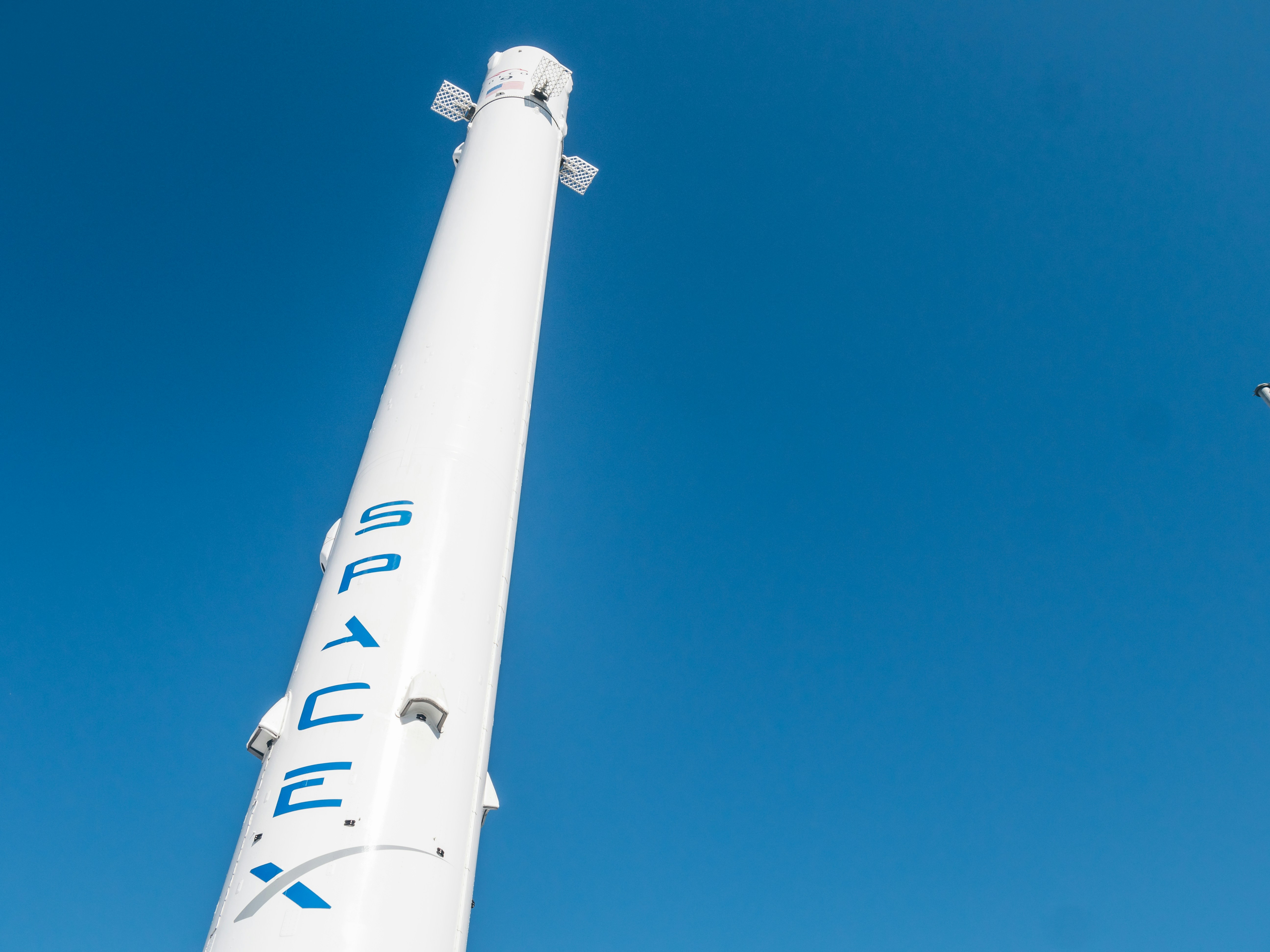
Overview of SpaceX’s Starship Program
SpaceX’s Starship program is a pioneering initiative aimed at revolutionizing space travel and exploration. The main objective of the program is to develop a fully reusable spacecraft that can transport crew and cargo to destinations such as the Moon and Mars, thereby supporting humanity’s aspirations of becoming a multi-planetary species. Starship is designed to offer significant advancements over existing rocket technology, with its ability to carry up to 100 tons of cargo to low Earth orbit, potentially lowering the cost of space travel exponentially.
The design of the Starship system consists of two key components: the Starship itself, which serves as the spacecraft, and the Super Heavy booster, which provides the necessary thrust to leave Earth’s atmosphere. Utilizing a combination of advanced materials and cutting-edge engineering, Starship is constructed to withstand the harsh conditions of space, while its aerodynamic shape enhances re-entry capabilities. The vehicle is also powered by Raptor engines, which employ a unique design utilizing liquid oxygen and methane for propulsion, enabling refueling opportunities on Mars, a crucial factor for long-term missions.
Significantly, the program has marked numerous milestones, including successful high-altitude flight tests that have validated key aspects of the design and functionality. Over the years, SpaceX has made strides in technology development, including rapid iterative design processes and efficient manufacturing techniques at their facility in Boca Chica, Texas. Each successful test has provided valuable data, propelling the program closer to its goal of facilitating crewed missions to destinations beyond Earth. Overall, SpaceX’s Starship program stands as a landmark endeavor that encapsulates the potential of modern aerospace engineering and the future landscape of space exploration.
Goals for the Upcoming Test Flight
As SpaceX approaches its next major test flight of the Starship, specific objectives have been outlined to ensure comprehensive evaluation and advancement of its capabilities. One of the primary goals is to gather critical data pertaining to the reusability of the Starship system. Reusability is a cornerstone of SpaceX’s mission architecture, aimed at reducing the cost of space travel and enhancing the frequency of launches. This upcoming flight will provide an opportunity to assess how well key components of the vehicle withstand multiple flights and landings.
Another significant aspect of the test is the evaluation of the landing control systems. Effective landing techniques are vital for successful re-entry and touchdown, particularly for missions involving crewed spacecraft. During the flight, various scenarios will be simulated, which will allow engineers to analyze the performance of the Starship’s landing gear and navigation technology under real-world conditions. Improved landing control can lead to more reliable landings, thus bolstering confidence in subsequent missions.
The manifest for the upcoming test flight also includes an array of experiments designed to test the vehicle’s durability and operational efficiency in different atmospheric conditions. The data collected during these tests will inform future designs and operational protocols, guiding refinements that respond to any identified weaknesses. Successful execution of these objectives is not only essential for the Starship’s ambitious goals but also represents a significant step toward making sustainable space exploration a reality.
In summary, the goals for the upcoming test flight of Starship focus on gathering insightful data on both reusability and landing systems, which are crucial for the continuous evolution of SpaceX’s rocket development and operational framework.
The Importance of Reusability in Space Exploration
The concept of reusability in space exploration has fundamentally transformed the way missions are conceived and executed. In particular, SpaceX’s Starship program exemplifies the significant advantages offered by reusable spacecraft. Achieving economy in space travel is paramount, as traditional methods often incurred exorbitant expenses due to the single-use nature of rockets. By developing vehicles that can be reused multiple times, SpaceX aims to dramatically lower launch costs, making space more accessible for both governmental and commercial endeavors.
One of the core economic implications of reusability is the potential for increased launch frequency. When rockets are designed to return to Earth safely and be refurbished for subsequent missions, the turnaround time can significantly decrease. For instance, SpaceX’s Falcon 9 rocket has demonstrated this ability by successfully re-launching previously flown first stages on numerous occasions. Each successful landing allows the company to re-deploy the rocket at a fraction of the original launch cost. This has not only accelerated the pace of satellite deployments but has also fostered a burgeoning market for space services that might not have been feasible with traditional launch protocols.
Furthermore, reusability contributes to the sustainability of human activities in space. SpaceX’s vision for Starship encompasses potential missions to Mars and beyond, ultimately supporting the notion of establishing permanent human presence on other celestial bodies. With reusing launch systems, less space debris is generated, promoting a safer and cleaner space environment. As we venture further into the cosmos, ensuring sustainable practices becomes increasingly necessary to preserve outer space for future exploration and to mitigate the risks associated with overcrowded orbits.
In this evolving landscape, the importance of reusability in space exploration cannot be overstated, as it paves the way for affordable access and sustainable practices that will define the future of humanity among the stars.
Future Implications: Missions to the Moon and Mars
The upcoming test flight of SpaceX’s Starship is set to have significant implications for future missions to both the Moon and Mars. As part of NASA’s Artemis program, which aims to return humans to the lunar surface, Starship is envisioned as a critical component for transport and logistics. The data collected from the test flight will provide invaluable insights into the spacecraft’s performance, reliability, and overall capability to handle the various challenges posed by deep space travel.
By testing the Starship’s systems and operations during this flight, SpaceX will be better equipped to refine the technology required for lunar landing and base operations. As the Artemis program progresses, the collaboration between NASA and SpaceX will facilitate the establishment of a sustainable human presence on the Moon. This presence is not just about exploration; it will serve as a stepping stone for future Martian missions. The lessons learned from lunar expeditions—regarding life support systems, surface operations, and crew dynamics—will directly inform the strategies for sending humans to Mars.
Moreover, the Starship program embodies the ambitious goal of human colonization of Mars. This initiative seeks to create a self-sustaining city on the Red Planet, ultimately making interplanetary travel an achievable reality. The integration of Starship technology is essential in addressing the complexities of Martian environments, including food production, habitat construction, and resource utilization. As the test flight enhances the capabilities of Starship, it paves the way for extensive mission planning, infrastructure development, and crew training necessary for Mars colonization.
In conclusion, the upcoming test flight symbolizes a crucial milestone in SpaceX’s Starship program, with profound implications for future lunar and Martian missions. By leveraging the data gathered, both SpaceX and NASA can ensure the success of humanity’s next steps toward interplanetary exploration.
You might also like:
- France Tests ASMPA-R Hypersonic Missile: A Leap in Nuclear Deterrence Capabilities
- Platinum Market Update: Analyzing Recent Price Movements and Influencing Factors
- Ariana Grande Opens Up: The Moment She Lost Faith in Music
- China’s Nuclear Aspirations: The Rise of Aircraft Carrier Reactors
- The NFL Shake-Up: New York Giants Part Ways with Brian Daboll