
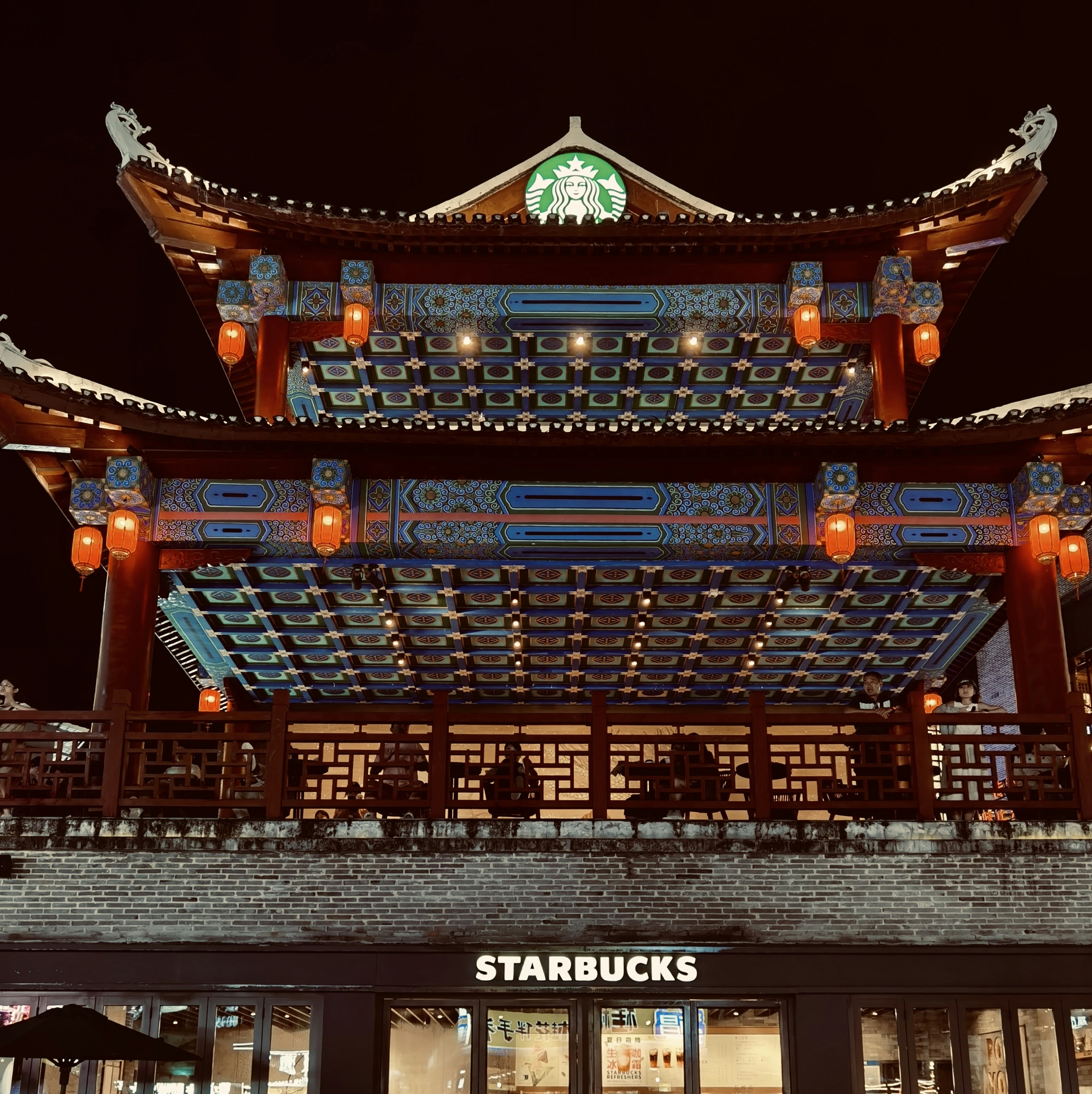
Overview of the Transaction
In a significant move for its international operations, Starbucks has announced the sale of control of its China business to Boyu Capital, an investment firm known for its focus on private equity investments. This transaction marks a pivotal shift in Starbucks’ strategic approach towards its presence in the Chinese market, which has been a focal point for growth in recent years. The deal entails a transfer of a controlling stake of approximately 50.1% to Boyu Capital, facilitating a partnership that allows Starbucks to maintain a minority interest in the venture.
The financial implications of this transaction are multifaceted. While the exact monetary value of the deal remains undisclosed, industry analysts suggest that the sale will help Starbucks reposition itself within a rapidly evolving market landscape. By divesting control, Starbucks intends to leverage Boyu Capital’s extensive experience and deep understanding of the local market dynamics, which can drive operational efficiencies and adapt to consumer preferences more rapidly. Control, in this context, refers to the authority over business operations, strategic decision-making, and resource allocation, which will now rest primarily with Boyu Capital.
Furthermore, the execution of this transaction is expected to unfold over the coming quarters, providing both parties adequate time to align their strategies and operational frameworks. Starbucks’ decision to partner with an established investment firm rather than maintaining unilateral control underscores a broader trend in corporate strategy that favors collaboration for sustainable growth. The strategic rationale behind this divestiture reflects Starbucks’ recognition of the need for localized expertise to navigate the complexities of the Chinese market amidst intensified competition and shifting consumer behavior. Ultimately, this move positions both Starbucks and Boyu Capital to capitalize on the opportunities presented by the growing demand for premium coffee experiences in China.
Implications for Starbucks’ Global Strategy
The recent decision by Starbucks to sell its control of the China business to Boyu Capital marks a significant shift in the company’s global strategy. As one of the most robust markets for Starbucks, the divestment requires a nuanced analysis of how this will influence the company’s resource allocation and market adaptability. This strategic shift suggests that Starbucks is prioritizing financial and operational efficiency, allowing it to concentrate resources on markets that align closely with its long-term growth objectives.
By withdrawing from controlling operations in China, Starbucks can redirect its focus toward strengthening its presence in markets where it has more predictable growth trajectories, such as the United States and its emerging ventures in Europe. This transition may enable Starbucks to allocate capital and operational resources more flexibly, allowing it to respond more effectively to changing consumer demands and competitive dynamics in those regions. Additionally, this strategic realignment aligns with the company’s overarching goal of enhancing its profitability while maintaining its brand integrity.
Furthermore, this divestment could reshape Starbucks’ relationships with local Chinese partners and consumers. With Boyu Capital now in control, the local management may adopt approaches that better resonate with the Chinese market. This change may include refining the menu offerings to reflect local tastes or enhancing customer engagement strategies. In the long run, this approach can foster stronger connections with the Chinese consumer base while reducing operational friction associated with cross-cultural management.
Ultimately, Starbucks’ decision to sell its control of its China operations demonstrates the company’s commitment to adapting its global strategy in response to market demands. This move could not only redefine its role in one of the largest coffee markets in the world but also serve as a blueprint for future strategic partnerships in diverse international markets.
Market Reactions and Industry Impact
The announcement of Starbucks selling control of its China business to Boyu Capital has elicited a range of reactions from the market, particularly regarding stock performance and investor sentiment. Following the news, Starbucks’ stock experienced an initial fluctuation, reflecting investor uncertainty. However, in the days that followed, the stock stabilized, suggesting that many investors view this move as a strategic effort to redefine the company’s focus amidst a complex and competitive landscape. Analysts noted that while the sell-off could indicate reliance on external partners, it also paves the way for potential growth opportunities in a rapidly evolving market.
Investor sentiment has been notably divided, with some expressing concerns over the company’s decision to offload a significant portion of its operations in a key market. Nonetheless, others believe this bold choice could enable Starbucks to invest resources more efficiently and enhance brand presence in other regions and product lines. Financial analysts have commented on the perceived benefits of local expertise provided by Boyu Capital, positing that this partnership could leverage deeper insights into consumer preferences in China—positioning Starbucks more favorably against its competitors.
Future Outlook for Boyu Capital and Starbucks in China
The recent decision by Starbucks to divest control of its Chinese operations to Boyu Capital marks a pivotal moment for both the coffee giant and the investment firm. As Boyu Capital assumes control, its strategic intent will be crucial in shaping Starbucks’ future in the highly competitive Chinese market. Boyu Capital is expected to capitalize on its deep understanding of local consumer behavior and market dynamics to enhance the brand’s reach and operational efficiency. This could lead to innovative marketing strategies tailored to Chinese consumers, potentially increasing brand loyalty and customer engagement.
Furthermore, Boyu Capital is likely to leverage its extensive network and resources to streamline operations and reduce costs. By optimizing supply chains and investing in technology, they could enhance the overall customer experience, which has become increasingly important in the digital age. The firm may also focus on expanding store locations, particularly in tier-two and tier-three cities, where the demand for premium coffee is rising, presenting a significant growth opportunity for Starbucks.
However, challenges abound. The Chinese market is characterized by rapid changes in consumer preferences and fierce competition from both local and international brands. Boyu Capital will need to remain agile and responsive to shifting market trends to sustain growth. Additionally, navigating regulatory frameworks and potential trade tensions could pose risks to Starbucks’ expansion strategies under new management.
In this new chapter, Starbucks will have to adapt to a post-divestiture landscape, redefining its identity while aligning with Boyu Capital’s vision. The collaboration has the potential to not only alter the trajectory of Starbucks in China but also influence the overall coffee market dynamics, marking a significant development in the industry.