
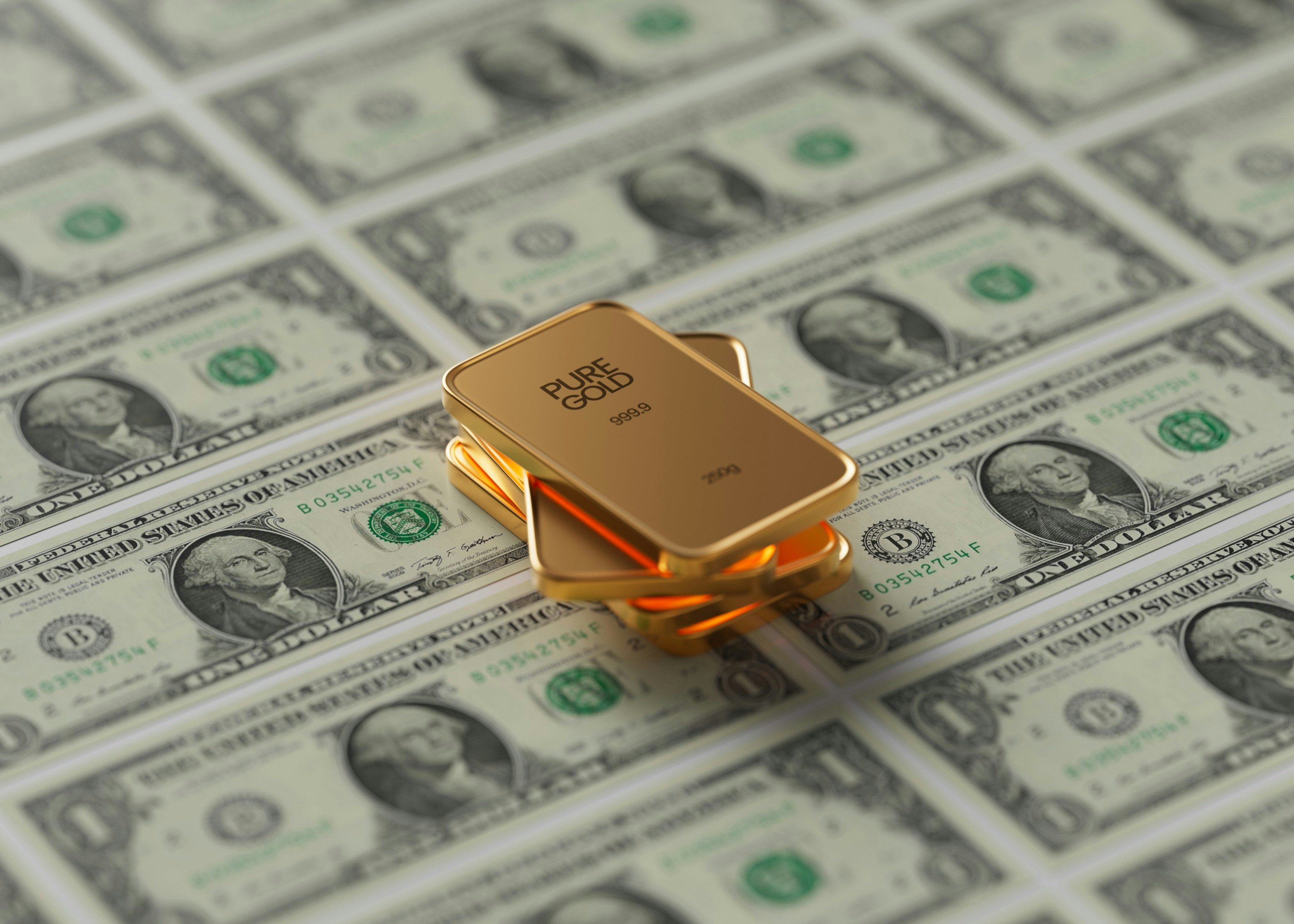
Current State of Gold Prices
In recent weeks, gold prices have experienced a notable surge, crossing the significant threshold of $100 per ounce within a span of just two weeks. As of the latest trading sessions, gold has reached its highest level in recent times, reflecting a heightened interest among investors and consumers alike. This remarkable increase can be attributed to several key factors that have shaped the current investment landscape.
One primary contributor to this spike in gold prices is the ongoing uncertainty surrounding global economic conditions. Investors, seeking a safe haven for their assets, have turned to gold as a reliable store of value. This behavior is often observed during times of financial instability or economic downturns, leading to increased demand and, consequently, higher prices. As central banks across the world have implemented various monetary policies, concerns regarding inflation have also emerged, prompting investors to further consider gold as a hedge against potential financial risks.
Moreover, fluctuations in interest rates have played a significant role in influencing investor sentiment toward gold. As central banks signal shifts in interest rate policies, gold tends to react closely to these changes. Lower interest rates often result in diminishing returns on treasury securities, encouraging investors to diversify their portfolios by increasing their allocations to gold. Consequently, the recent expectations of potential cuts in interest rates have contributed to the rising momentum of gold prices.
In essence, the current state of gold prices is indicative of broader economic trends and investor psychology. The surge exceeding 100 USD per ounce underscores the ongoing relationship between market demand and the economic indicators that shape investor behavior. As this dynamic unfolds, it remains essential for market participants to closely monitor developments that will influence the trajectory of gold prices moving forward.
Impact of US Economic Data
Recent economic data emerging from the United States has presented a less than optimistic outlook, which has consequently influenced investor sentiment in the gold market. Key indicators, such as the unemployment rate, inflation figures, and GDP growth, have shown signs of stagnation or deterioration, prompting concerns among investors regarding the overall health of the economy. For instance, an increase in unemployment claims often triggers a flight to safety among investors, leading them to seek refuge in gold as a stable asset. This shift in sentiment is further reinforced by indications of rising inflation, which typically erodes the purchasing power of fiat currencies, including the US dollar.
The relationship between economic performance and gold prices is complex, yet pivotal. Historically, when economic indicators signal vulnerability, gold tends to appreciate due to its status as a hedge against economic uncertainty. The increased demand for gold during periods of adverse economic data is also linked to its characteristics as a non-yielding asset. Investors are more likely to gravitate towards precious metals when fearing depreciation in currency value or stock market volatility. Consequently, the recent uptick in gold prices can be attributed to this defensive behavior from investors, who are looking to protect their wealth amid troubling economic signals.
Furthermore, as data releases continue to show mixed results, market analysts predict that this trend may persist, further solidifying gold’s position in investment portfolios. The implications of these economic trends may not only shape short-term market dynamics but also influence long-term investment strategies. As such, understanding the nuances of how US economic indicators affect gold prices is essential for both market participants and observers. The potential for ongoing fluctuations in the gold market remains closely tied to the evolving economic landscape in the United States.
Speculation about US Government Actions
The fluctuations in gold prices are often influenced by the speculation surrounding the actions taken by the US government. Recent announcements, policy changes, and even rumors have a significant impact on investor sentiment and can lead to increased volatility in the gold market. Economists and analysts closely monitor these developments, as they can signal imminent changes in economic governance and fiscal strategies that may affect the stability of the economy as a whole.
In recent months, various discussions have surfaced regarding potential adjustments to interest rates, taxation policies, and government stimulus packages. For instance, speculation about an impending increase in interest rates has historically led to a decline in gold prices, as higher rates boost the opportunity cost of holding non-yielding assets like gold. Conversely, when the government hints at possible inflationary measures or continued support amid economic uncertainties, gold tends to see a surge as investors seek safe-haven assets to hedge against inflation.
Additionally, rumors surrounding prospective regulatory changes can also spark volatility. Announcements about possible new regulations or trade agreements influence market confidence, thereby affecting gold’s price trajectory. The market often reacts swiftly to these speculations, with traders adjusting their positions based on the anticipated outcomes of government actions. This responsiveness underscores the crucial role that government speculation plays in not only the valuation of gold but also in shaping broader economic expectations.
As we navigate through a landscape marked by rapid economic shifts, understanding the intricate relationship between US government actions and gold pricing remains critical for investors. By keeping abreast of policy announcements and speculated changes, stakeholders can position themselves more effectively in a marketplace that is increasingly sensitive to governmental influence.
Future Trends and Predictions for Gold Prices
The future of gold prices is poised to reflect a myriad of economic, geopolitical, and market-driven influences. Analysts project that short-term fluctuations may continue, driven by immediate economic indicators such as inflation rates, interest rates, and monetary policy adjustments. As central banks respond to evolving economic circumstances, their actions can greatly affect investor confidence in gold as a safe-haven asset. For instance, if economic uncertainty persists, the demand for gold may surge, leading to increased prices. Conversely, if economic recovery signals an uptick in growth and stability, this could temper the appetite for gold, resulting in price stabilization or potential declines.
Long-term forecasts for gold prices also reveal a complex landscape. Many experts suggest that gold may maintain its appeal in the face of persistent inflationary pressures. As currency values fluctuate and economic forecasts remain unpredictable, investors often seek refuge in gold, resulting in sustained demand. Furthermore, geopolitical tensions—such as trade disputes, military conflicts, or shifts in global alliances—can lead to heightened market volatility. This instability typically prompts investors to gravitate toward gold, consequently pushing prices higher.
Investor strategies also play a critical role in shaping the future of the gold market. With an increasing number of retail and institutional investors diversifying their portfolios to include gold, the overall demand is likely to remain resilient. Additionally, advancements in technology and the rise of gold-backed exchange-traded funds (ETFs) have made access to gold investment easier than ever, further heightening its attractiveness in uncertain times.
In conclusion, while predicting the precise trajectory of gold prices can be challenging, a combination of economic indicators, geopolitical developments, and evolving investor behaviors will likely influence the market. As both short-term and long-term factors unfold, observing these dynamics will be crucial for stakeholders in navigating the complex landscape of gold investment.