
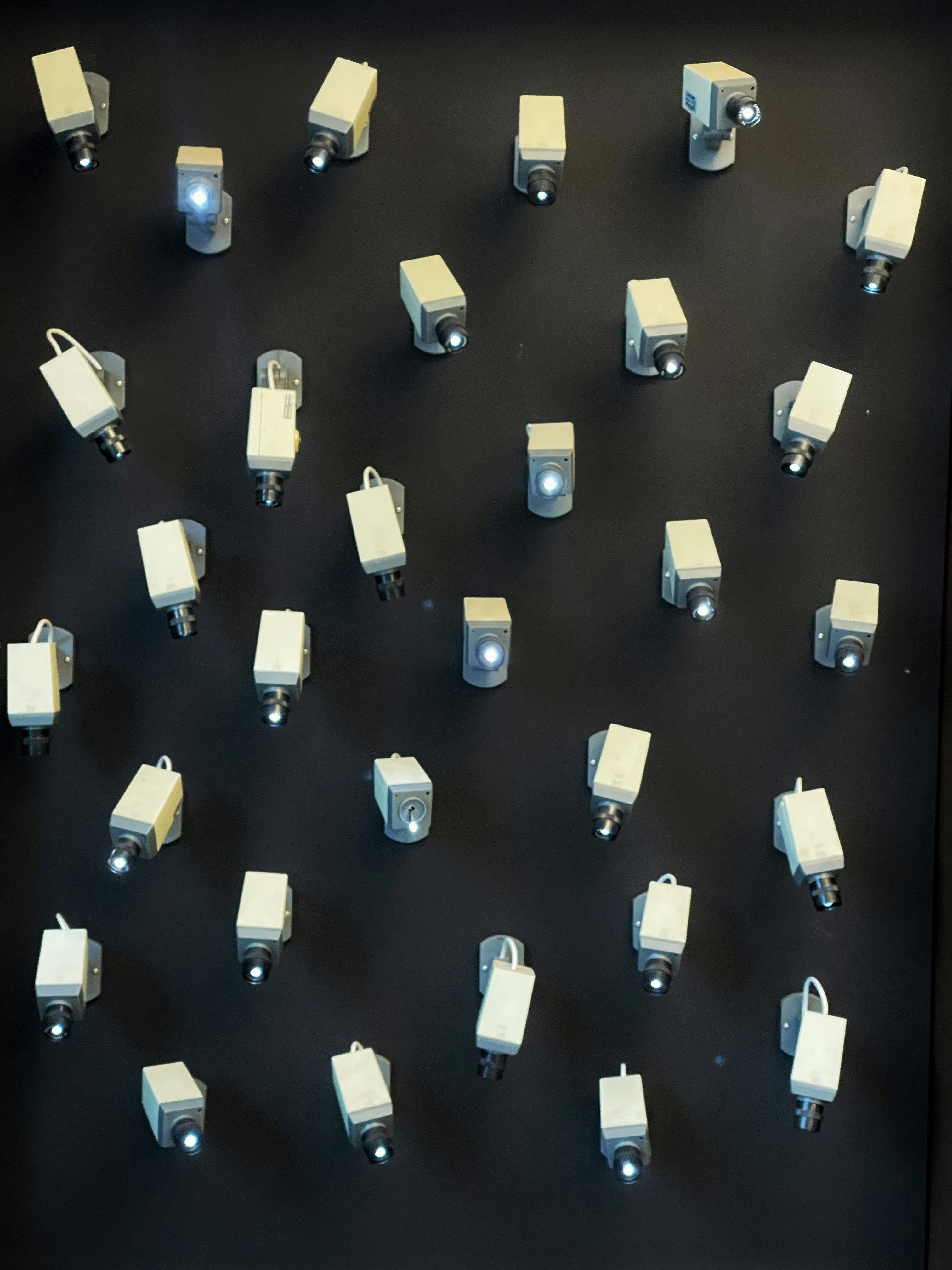
Understanding the Scope of the Data Leak
Recent investigations have revealed a staggering reality regarding the vulnerability of security cameras across the globe. Reports indicate that more than 40,000 security cameras were found to be live streaming online without adequate security measures, rendering them susceptible to unauthorized access. A significant portion of these devices lacked essential protective features such as passwords and encryption protocols, making them easy targets for potential intruders.
The geographic distribution of these exposed cameras is particularly alarming, encompassing numerous countries, particularly in urban areas where security cameras are increasingly prevalent. The report highlights that these devices have been set up in a variety of settings, including homes, businesses, and public spaces, further amplifying the issue. Cities with a high density of camera installations were notably affected, suggesting a systemic risk linked to the widespread adoption of IoT devices without proper security measures.
The types of systems impacted by the data leak vary widely, with commonly used brands and models falling victim to these security flaws. Both consumer and commercial-grade security cameras, often viewed as trustworthy solutions, displayed vulnerabilities that their manufacturers had overlooked. This oversight raises significant concerns about industry practices and the guidelines that regulate the deployment of such technologies. The ensuing discussion around the need for robust security measures is critical, as reliance on these devices continues to grow. Furthermore, the fact that these cameras transmitted sensitive footage publicly illustrates a pressing need for regulatory bodies and manufacturers to prioritize the implementation of stringent security protocols to prevent future incidents.
Ultimately, the consequences of these security breaches pose grave risks, not only to individual privacy but also to broader public safety, highlighting the necessity for urgent remedial actions within the industry.
Implications for Privacy and Security
The exposure of over 40,000 security cameras globally poses significant risks to both individual privacy and overall security. With the proliferation of surveillance technology, sensitive data captured by these cameras can be accessed by unauthorized individuals, leading to severe privacy violations. The unauthorized access to camera feeds can potentially enable malicious actors to monitor personal activities, pose a risk to individuals’ safety, and extend beyond mere voyeurism to criminal acts.
One of the primary concerns surrounding security camera data leaks is the potential for identity theft and stalking. For instance, if personal information such as faces, locations, and daily routines are compromised, it can facilitate targeted harassment or even violent crimes. Moreover, unauthorized surveillance can infringe upon the personal liberties that many individuals take for granted, leaving them feeling vulnerable and exposed to unwarranted scrutiny.
Real-world examples underscore the gravity of these implications. In 2020, a data leak involving a prominent security camera company exposed thousands of live feeds, revealing sensitive areas such as private homes, hospitals, and even public restrooms. This breach of privacy not only unsettled the public but also raised questions about the trustworthiness of the technology and its providers. Another notable incident occurred in 2019, when hackers gained access to a large number of baby monitors, resulting in alarming invasions of privacy for families, as the screens and audio feeds were broadcasted publicly.
The alarming frequency of such incidents emphasizes the need for more rigorous security protocols and better encryption methods for data protection. Users must remain vigilant and informed about the potential vulnerabilities of their surveillance systems to safeguard personal privacy adequately. Ultimately, the implications of these camera data leaks extend beyond technical breaches; they threaten the foundational right to privacy in an increasingly monitored society.
The Importance of Security Measures
In an era where surveillance technology plays a pivotal role in maintaining security, the importance of implementing robust security measures cannot be overstated. The exposure of over 40,000 security cameras globally serves as a stark reminder that vulnerabilities in camera systems can have dire consequences. To safeguard against data leaks and unauthorized access, users must prioritize security in their surveillance practices.
One of the foundational steps in ensuring the safety of camera data is the use of strong, unique passwords. Default passwords provided by manufacturers can often be easily compromised. Users should opt for complex passwords that incorporate numbers, symbols, and upper and lower case letters. Additionally, implementing two-factor authentication (2FA) adds an extra layer of security, making unauthorized access significantly more difficult.
Another critical aspect of camera security is encryption. By encrypting data transmitted from security cameras to storage or monitoring devices, users can protect sensitive footage from being intercepted. This practice is especially vital when cameras connect to the internet, as it helps safeguard against potential hacking attempts.
Regular software updates are equally important for maintaining the security of surveillance systems. Manufacturers frequently release patches to address vulnerabilities and enhance system capabilities. Users should establish a routine for checking and applying updates to their camera software to protect against emerging threats.
Lastly, securing the network on which cameras operate is essential. This includes employing virtual private networks (VPNs) and firewalls to create a barrier between the security camera system and potential intruders. By implementing these best practices, individuals and organizations can significantly reduce the risk of data leaks and ensure the integrity of their surveillance technology moving forward.
Steps to Take if You’re Affected
The recent revelation of over 40,000 exposed security cameras presents a serious threat to privacy and safety for individuals and organizations alike. If you believe your surveillance technology may be compromised, it is crucial to take prompt and effective steps to mitigate risks and enhance security. Firstly, check the security status of your devices. This can be done by accessing the camera’s management interface to verify any misconfigurations or insecure settings. It is advisable to reset passwords and utilize strong, unique credentials for each device, as default passwords are often easily exploitable.
Next, ensure that all firmware and software updates are applied. Manufacturers regularly release security patches to address vulnerabilities, making it essential to keep devices up to date. Visit the manufacturer’s website or use any available mobile applications to stay informed about the latest updates. If your surveillance system is outdated and no longer receives updates, consider replacing it with a newer model that emphasizes security.
It is important to report any vulnerabilities discovered to the manufacturers. Responsible disclosure can help them address security flaws, ultimately benefiting all users. Check for any existing security advisories or forums related to your devices, as these may contain vital information and advice from other users facing similar challenges.
Additionally, consider using security monitoring tools that can continuously check for unauthorized access or suspicious activity related to your cameras. Various resources are available online to assist in identifying and enhancing the security of surveillance technology. By being proactive, you can significantly reduce the risk of exposure and protect your privacy in this digital age. Taking these decisive actions not only restores your sense of control but plays a vital role in improving the overall security landscape.
You might also like:
- The Musical Fusion of Ustad Zakir Hussain and Shakti: A Journey Through Indo-Jazz
- Analyzing the New National Security Strategy of the Trump Administration
- Liverpool’s Potential Signing: Antoine Semenyo
- BNB Joins the Market Rally: A Detailed Analysis
- AFC Clash: Kansas City Chiefs vs. Buffalo Bills Preview