The Current State of AI in Filmmaking
The integration of artificial intelligence (AI) in Hollywood filmmaking has sparked considerable debate in recent years, reflecting a significant shift in how films are produced. From scriptwriting to casting and post-production, AI technologies have begun to augment traditional filmmaking processes, raising questions about the future of artistic creativity in the industry. AI applications are facilitating tasks such as generating story ideas, analyzing audience preferences, and even automating certain aspects of the editing process. This transition highlights the evolving dynamics between artistry and technology.
One prominent area where AI is making strides is in script development. Producers are increasingly employing AI tools to analyze successful films and identify trends that resonate with audiences. These tools can generate preliminary scripts or suggestions, offering a unique perspective that human writers can then refine. While this may streamline the creative process, it also ignites concerns over originality and the potential homogenization of storytelling, as narratives may begin to conform to data-driven formulas rather than individual artistic vision.
Moreover, AI’s role extends to casting and performance analysis. By utilizing algorithms that predict audience preferences and trends, filmmakers can make informed decisions about which actors to cast in particular roles. However, this reliance on data raises ethical questions about diversity and representation. If casting decisions are overly influenced by AI, it may inadvertently reinforce existing stereotypes and limit opportunities for underrepresented talent.
In post-production, AI technologies are being harnessed for tasks such as visual effects, sound editing, and even audience testing for feedback on trailers. These advancements can significantly reduce production time and costs, but they also beg the question of whether such reliance on technology can truly replicate the nuanced human touch that has traditionally defined cinematic artistry.
Overall, the current state of AI in filmmaking presents both exciting opportunities and profound challenges, prompting ongoing discussions about its implications for creativity, ethics, and the future landscape of the film industry.
Voice Actors and AI: The Battle for Protection
The emergence of artificial intelligence (AI) in the entertainment industry has raised significant concerns among voice actors regarding the use of their voices without consent in AI training algorithms. These algorithms utilize vast datasets that often include recorded performances by numerous artists, prompting fears of appropriation without adequate compensation or recognition of the creators behind the work. Voice actors argue that their unique vocal attributes are fundamental to their artistry and should not be replicated or commodified through AI without their explicit permission.
One prominent voice actor, whose work has been highly influential, has publicly expressed outrage over AI-generated imitations, describing the sensation of losing control over one’s asset—their voice. “It feels like someone is taking a part of me without asking,” they stated, highlighting a common sentiment among their peers. This apprehension is compounded by the fear that reliance on AI technology could ultimately lead to diminished demand for human talent, undermining job security within the industry.
Furthermore, the ethical implications of using voice samples without consent open the door for a broader dialogue about intellectual property rights in the digital age. Many artists advocate for the creation of regulations that protect their voices from unauthorized use in AI projects. Several organizations representing voice actors have begun efforts to establish guidelines aimed at ensuring that actors retain ownership over their vocal performances. With technology progressing at an unprecedented rate, the call for immediate action on this issue resonates strongly within the creative community.
The debate surrounding voice actors and AI encapsulates a larger conflict between artistry and technology, urging stakeholders in the entertainment sector to consider the rights of those who contribute vital skills and talents. As the industry examines the integration of AI, it is critical to engage in meaningful conversations about the protection of creative professionals.
Embracing AI: Opportunities for Artists
As the conversation surrounding artificial intelligence (AI) in the film and entertainment industry evolves, an increasing number of artists are beginning to see AI not as a rival, but as a powerful ally in their creative journeys. This shift in perspective highlights the potential for AI technology to enhance artistic expression, improve efficiency, and ultimately, foster innovation within the creative arts.
One noteworthy example of AI’s utility can be found in the realm of animation. Filmmakers are leveraging AI-driven tools to streamline the animation process, allowing artists to focus more on storytelling and character development. By automating certain tasks, such as generating backgrounds or assisting with in-between frames, AI can significantly reduce the time spent on tedious aspects of production. This, in turn, empowers artists to dedicate more efforts towards their creative visions, resulting in richer, more engaging content that resonates with audiences.
Moreover, AI is being utilized to explore new forms of storytelling. Certain filmmakers are experimenting with algorithms that analyze vast datasets to identify popular trends, enabling them to create narratives that align more closely with audience preferences. This data-driven approach does not diminish artistic integrity; rather, it equips creators with insights that can refine their work while preserving their unique artistic flair.
The music industry also showcases the potential of AI as a collaborator. Artists are using AI-generated compositions as a source of inspiration, drawing from machine-generated melodies and harmonizations to spark new creative ideas. This dynamic partnership between human artists and AI tools illustrates that technology can serve as a catalyst for innovation, rather than a barrier to artistic expression.
By embracing AI as an integral component of their creative processes, artists are increasingly able to harness technology’s potential without compromising their artistry. This evolving landscape holds the promise of a renewed synergy between creativity and technology, ultimately enriching the artistic landscape in Hollywood and beyond.
Legal Battles and Industry Responses
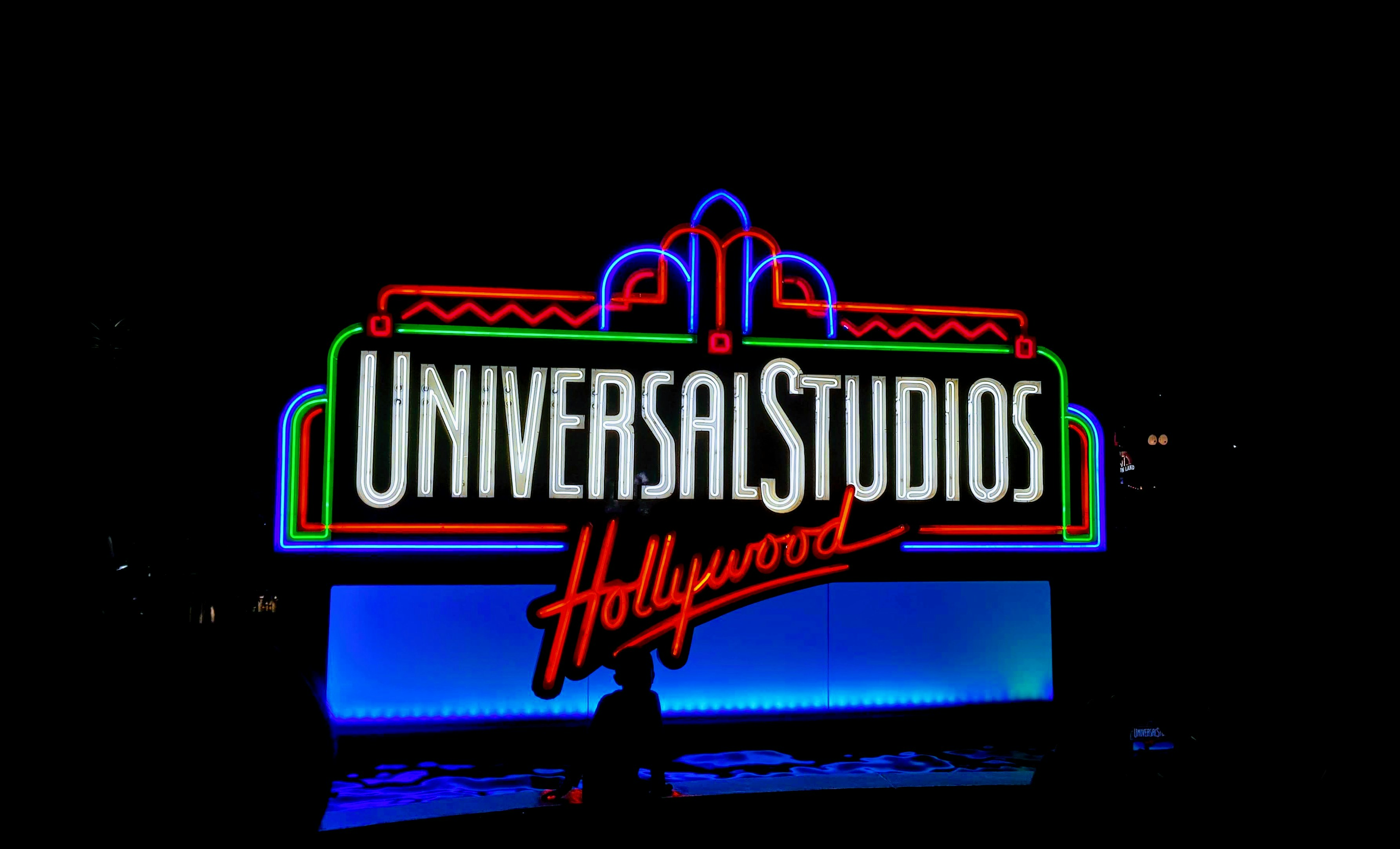
The integration of artificial intelligence (AI) in Hollywood has sparked significant legal confrontations, particularly as industry giants grapple with the implications of technology encroaching on traditional artistry. One notable instance is Universal Pictures’ legal stance against several technology firms that allegedly use its films as training data for AI systems without obtaining appropriate permissions. This action underscores a broader industry concern regarding the preservation of intellectual property rights in the age of AI.
As AI technology evolves, the legal frameworks governing copyright and artistic ownership are also being tested. Universal Pictures’ legal actions may set important precedents in how such cases are approached in the future. Legal experts argue that the current copyright laws may not adequately address the complexities brought about by AI. They contend that the evolving nature of artistic ownership requires a reevaluation of regulations to ensure that creators’ rights are upheld in a landscape increasingly dominated by automated processes.
Industry responses to these developments have ranged from outright resistance to cautious adaptation. Many filmmakers and studios are voicing concerns that AI-generated content may dilute the quality and authenticity of creative works, while also threatening traditional employment structures within the industry. In contrast, some industry leaders are exploring the potential benefits of collaboration between artists and AI, aiming to harness technology while safeguarding creative integrity.
The legal landscape surrounding AI in Hollywood continues to be fluid, and ongoing lawsuits may yield critical insights into the industry’s relationship with technology. As these challenges unfold, the balance between artistic expression and technological advancement remains a central discussion point, with stakeholders pushing for comprehensive frameworks that protect the rights of creators while allowing innovative exploration. The outcome of these legal battles will undoubtedly shape the future dynamics of filmmaking and intellectual property management as AI continues to permeate the creative domains.
You might also like:
- The Thrilling Tennis Year-End Rankings of 2025
- XRP Price and Market Analysis: Trends and Insights as of October 21, 2025
- ATP Finals 2025: Highlights from the Turin Tournament
- Understanding the US Financial Markets Today: Trends, Insights, and Future Outlook
- Airbus A320 Recall: Addressing Flight Control System Concerns