
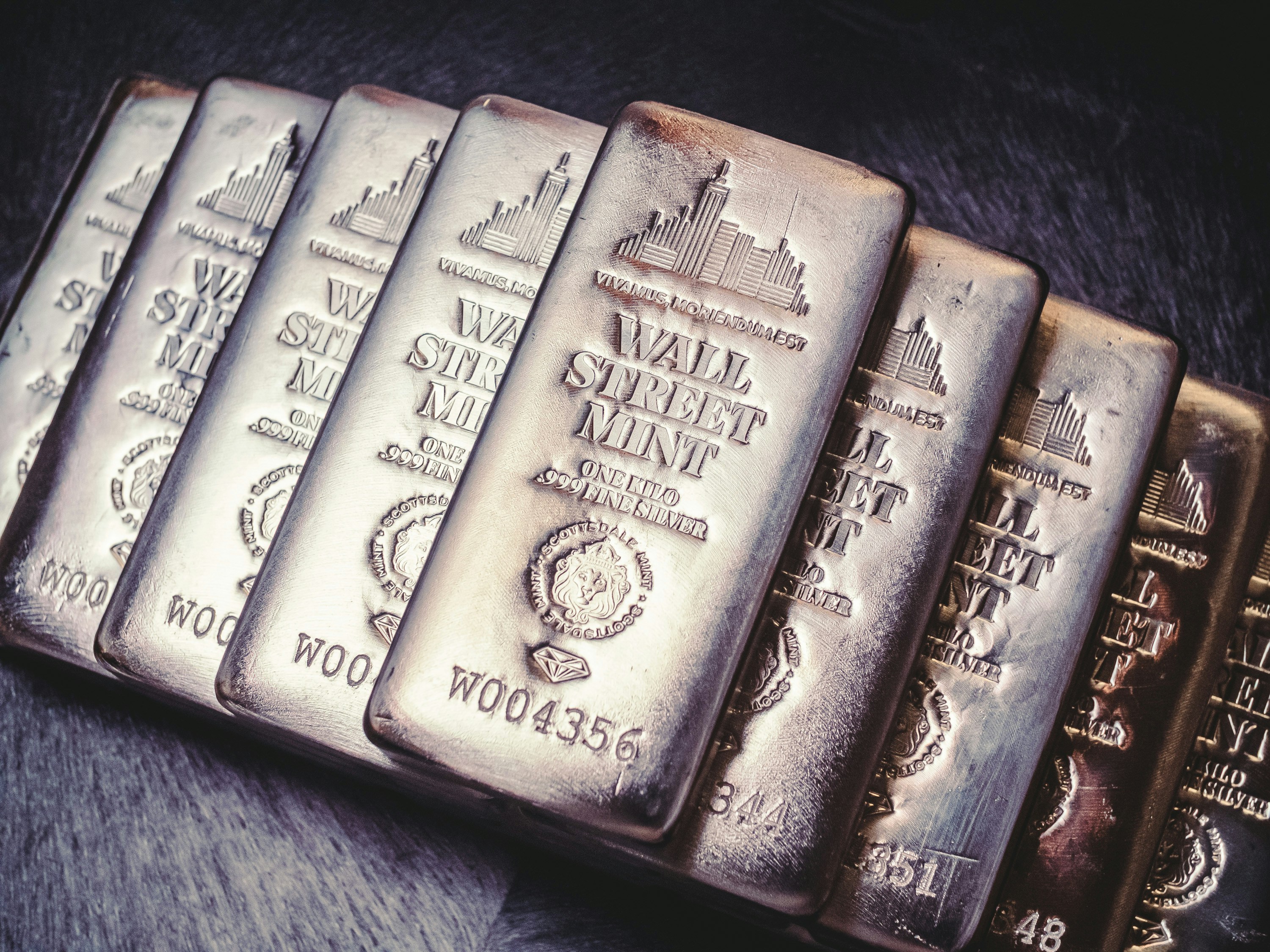
Quiet Market: A Shift from Hustle to Calm
The silver market has recently experienced a notable transformation, transitioning from a dynamic environment characterized by heightened activity and urgency to a much quieter atmosphere. Just weeks ago, eager buyers were actively queuing to make their purchases, driven by a strong demand that seemed unrelenting. However, the current state of the silver market illustrates a significant shift, prompting both consumers and investors to reassess their positions.
Several factors contribute to this abrupt calm in the silver market. A primary influence appears to be changing consumer sentiment, as individuals reconsider their investment strategies amid fluctuating economic indicators. As uncertainties pervade the broader market, many potential buyers now adopt a more cautious approach, opting to wait and observe rather than engage in immediate purchases. This shift in mindset has led to reduced trading volumes, which are now indicative of a broader trend in the market.
Moreover, the liquidity in the silver market has notably diminished. The usual influx of activity that characterized previous weeks has waned, leading to a reduced participation rate among traders. The current lull can also be attributed to macroeconomic factors affecting investor confidence, with geopolitical tensions and inflation concerns influencing market behavior. Analysts are keeping a close watch on these trends to determine whether this period of relative calm is a temporary phenomenon or indicative of a longer-lasting shift in market dynamics.
In analyzing trading volumes and the overall participation rates, it is evident that the silver market is experiencing a quieter phase. Market analysts continue to evaluate these indicators to offer insights and predictions about future trends. Ultimately, the long-term effects of this quieter market remain to be seen, as it could signal a significant shift in how investors engage with silver in the months ahead.
Short-Term Price Drop: Analyzing the Correction
The recent sharp decline in silver prices has prompted considerable discussion among market analysts and investors. This price drop is widely categorized as a market correction, often referred to as a ‘shock’ in financial terms. This phenomenon typically occurs when the market reacts to potential over-speculation during periods of heightened activity, such as the previous upturn in silver prices, which reached notable highs due to strong investor sentiment and demand.
Several factors have been identified as potential catalysts for this sudden decrease. First, economic indicators have shown signs of instability, influencing market perceptions. Data on inflation rates, employment figures, and GDP growth can significantly affect investor confidence. As silver is often viewed as a hedge against inflation, any indication that inflationary pressures might be alleviating can lead to a rapid unwinding of positions by speculative traders, consequently driving prices down.
Moreover, global economic conditions and external market influences have also played a pivotal role. The interplay between currency strength, particularly the U.S. dollar, and commodity prices is critical. A stronger dollar typically exerts downward pressure on silver prices, making it more expensive for foreign investors. Additionally, geopolitical developments that impact investor risk appetite can lead to fluctuations in precious metals, including silver.
A comparative analysis with the gold market reveals that similar price movements occurred, as both precious metals often respond to analogous economic cues. Both markets experienced increased volatility and corrections, indicating that this price drop in silver is not isolated but part of a broader trend in precious metals. As such, understanding the underlying causes is essential for anticipating future movements and positioning investments strategically in the silver market.
Long-Term Outlook: Reasons for Optimism
The silver market, despite facing short-term declines, possesses various underlying factors that suggest a positive long-term outlook. One prominent reason for this optimism is the sustained supply deficit that has increasingly characterized the silver market. Historically, global silver production has not kept pace with demand, leading to a tightening supply situation. As demand in critical sectors continues to grow, this deficit may amplify pressure on silver prices, potentially triggering upward trends in the long run.
Furthermore, silver has found a new lease on life in high-demand industries, particularly technology, artificial intelligence (AI), and renewable energy. The burgeoning tech industry utilizes silver in various applications, including electronics and photovoltaics. As society shifts toward more sustainable and technologically advanced solutions, silver’s role is likely to expand. For instance, in the field of solar energy, the need for silver in photovoltaic panels has increased, as these panels rely on silver for conductivity and efficiency. Demand projections suggest that as the green energy transition accelerates, silver is poised to see a surge in usage across multiple sectors.
Experts also underscore the continued importance of silver in investment portfolios, particularly given the metal’s dual role as both an industrial commodity and a precious metal. Investors often opt for silver as a hedge against inflation and economic uncertainty, a trend that is likely to persist amid ongoing economic fluctuations. Additionally, the increase in physical silver purchases, such as coins and bars, reflects a growing sentiment among investors who view silver as a reliable store of value.
In conclusion, while the current climate may indicate volatility, the future of the silver market appears promising. The combination of a persistent supply deficit, increasing industrial demand, and sustained investor interest forms a robust foundation for long-term price growth. As these factors evolve, the silver market may very well experience renewed strength in the coming years.
Conclusion: Navigating the Silver Market’s Future
The silver market has shown significant fluctuations recently, driven by a variety of economic and geopolitical factors. As we assess the current state of silver, it is essential to recognize the intricate dynamics that impact its price movements. Investors are encouraged to consider the dual role that silver plays as both an industrial commodity and a precious metal; its demand is influenced not only by traditional jewelry and investment purchases but also by technological advancements and the green energy movement.
In the short term, the silver market may continue to exhibit volatility as external conditions, including inflation rates and central bank policies, evolve. Economic indicators suggest that investor sentiment towards precious metals may influence trading patterns in the months ahead. The ongoing interest from both retail and institutional investors highlights a growing acknowledgment of silver’s potential as a hedge against economic uncertainty.
Long-term predictions remain cautiously optimistic, with many analysts suggesting that silver could see substantial price increases driven by industrial demand, particularly in sectors such as renewable energy and electronics. However, it is crucial for investors to adopt a balanced approach. Staying informed of market trends, diversifying portfolios, and understanding the potential impacts of macroeconomic changes can significantly enhance investment strategies.
For those contemplating entry into or continued participation in the silver market, experts recommend a measured approach. This includes considering dollar-cost averaging or strategic buying during dips in silver prices to mitigate risks. Holding positions may also be beneficial, particularly given the possibility of future price appreciation linked to persistent demand and potential supply constraints. By remaining adaptable and well-informed, silver investors can navigate this complex market effectively.





