
Current State of Fossil Fuel Production
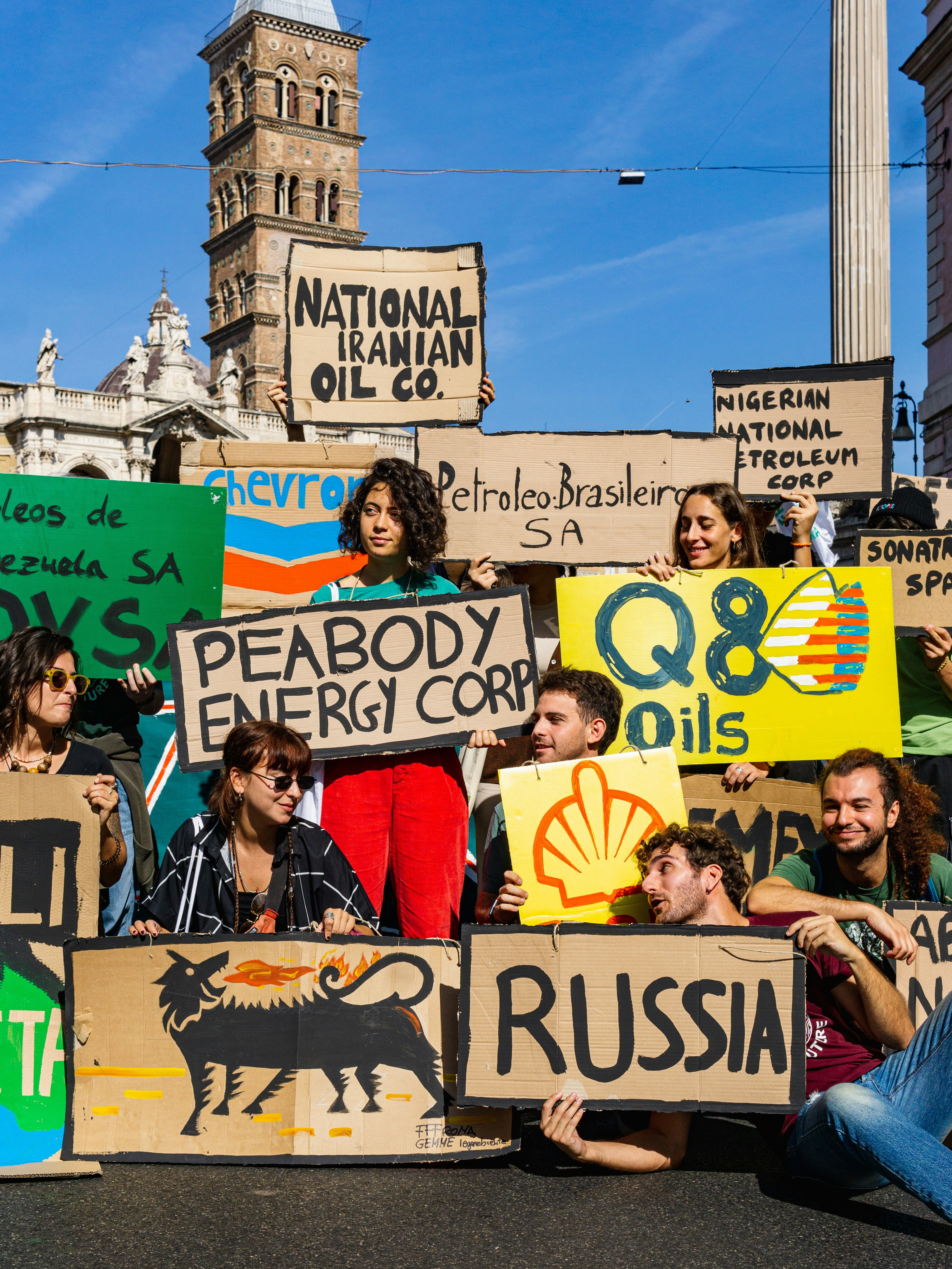
The current state of fossil fuel production reveals a complex landscape characterized by rising extraction volumes and significant corporate investments. As of 2023, global fossil fuel output has seen an uptick, with the International Energy Agency (IEA) reporting that oil and gas production is projected to reach its highest levels in over a decade. Major players in the industry, including ExxonMobil, BP, and Chevron, have committed substantial capital to exploration and development projects, driven by an insatiable market demand for energy. The global economy’s reliance on fossil fuels remains entrenched, casting a long shadow over efforts to combat climate change.
Several factors are driving this surge in production. Firstly, geopolitical instability in key oil-producing regions has pushed prices higher, incentivizing companies to maximize output. Secondly, the post-pandemic recovery has spurred significant increases in energy consumption, particularly in emerging economies. Countries such as China and India are experiencing rapid industrialization, resulting in heightened demand for fossil fuels to support their growth. This increased consumption contributes to a paradox where economic recovery and climate initiatives often appear at odds.
Despite the rising extraction rates, this trend starkly contrasts with the global climate targets established in the Paris Agreement. Leading climate scientists insist that to avert catastrophic climate impacts, the world must transition rapidly away from fossil fuels, aiming for a significant reduction in production by 2030. However, the continuous investments in fossil fuel production indicate that many nations and companies are struggling to reconcile immediate energy needs with long-term sustainability goals. As the tension between economic growth and environmental stewardship escalates, the future trajectory of fossil fuel production remains tenuous, posing critical challenges for policymakers committed to addressing climate change effectively.
Projected CO2 Emissions: Implications for Climate Goals
Recent assessments regarding fossil fuel production highlight a concerning trajectory for carbon dioxide (CO2) emissions. Studies indicate that current production levels may lead to a threefold increase in CO2 emissions compared to what is deemed compatible with the 1.5 °C target set forth in the Paris Agreement. This alarming projection underscores the severity of the climate crisis we face and hints at potential ramifications on global temperature increases. If fossil fuel extraction and consumption continue on this path, the reality is that the world may face unprecedented climate instability.
The scientific consensus emphasizes that limiting global warming to 1.5 °C is critical to avoiding catastrophic climate impacts, including extreme weather patterns, rising sea levels, and biodiversity loss. However, the increased fossil fuel production translates into a significant rise in emissions, which could severely hamper global efforts to achieve these climate goals. For instance, projections from the Intergovernmental Panel on Climate Change (IPCC) reveal that if fossil fuel output continues to expand unchecked, average global temperatures could exceed this critical threshold by as early as 2030.
Moreover, the ramifications of surpassing these temperature thresholds extend beyond mere statistics. Ecosystems are on the brink of collapse, and vital resources necessary for human survival, such as clean water and arable land, face dire threats. Limiting CO2 emissions is no longer a suggestion but an urgent necessity. Achieving climate stability requires immediate and concerted action to restructure energy systems, increase reliance on renewable energy sources, and implement stringent regulations on fossil fuel production.
As the environmental crisis escalates, it is imperative for policymakers, industries, and stakeholders to recognize the criticality of adhering to the benchmarks established by climate experts. The future viability of the planet hinges on our ability to mitigate emissions and embrace sustainable practices.
Consequences of Ignoring Climate Targets
The consequences of neglecting climate targets are multifaceted and far-reaching, impacting the environment, society, and public health. As global temperatures continue to rise due to excessive CO2 emissions, the planet experiences increasingly severe climate events. Extreme weather phenomena, such as hurricanes, floods, and droughts, have become more frequent and intense, leading to widespread destruction. These events not only wreak havoc on infrastructure but also displace communities, leading to significant socio-economic challenges.
In addition to extreme weather, ocean acidification has emerged as a critical consequence of rising CO2 levels. The oceans absorb a large portion of anthropogenic carbon emissions, which alters the chemical composition of seawater. This process disrupts marine ecosystems, threatening species such as coral reefs, which are vital for biodiversity and coastal protection. The loss of biodiversity due to habitat destruction and climate change diminishes the resilience of ecosystems, making it even more challenging for the planet to adapt to changing conditions.
The social implications of ignoring climate targets are profound, particularly for vulnerable populations. Low-income communities and developing nations often bear the brunt of environmental degradation and are less equipped to adapt to the associated challenges. This exacerbates existing inequalities and heightens vulnerability to food insecurity, health crises, and infrastructural instability. Furthermore, as resources become scarcer due to climate impacts, competition may lead to conflicts, further destabilizing already fragile regions.
The interplay of environmental degradation, social inequities, and public health risks underscores the urgency of adhering to climate targets. Failure to act not only jeopardizes future generations but also threatens the very fabric of global society. The ongoing reliance on fossil fuels amplifies these issues, compelling us to rethink our energy strategies and transition toward sustainable alternatives.
Pathways to Sustainable Alternatives
The transition from fossil fuels to sustainable alternatives is essential for addressing the growing environmental crisis. Renewable energy technologies, such as solar, wind, and hydroelectric power, play a pivotal role in this shift. By harnessing natural resources that are abundant and replenishable, society can reduce reliance on fossil fuels and minimize greenhouse gas emissions. The advancements in photovoltaic cells and wind turbine efficiency, alongside government incentives, have made these technologies increasingly accessible and economically viable.
In tandem with the development of renewable energy sources, improvements in energy efficiency are critical. Upgrading infrastructure, implementing smart grid technologies, and incentivizing energy-saving appliances contribute significantly to reducing overall energy consumption. Efficient building designs and retrofitting older structures can decrease the demand for energy derived from fossil fuels, leading to lower emissions and a smaller ecological footprint.
Governmental policies play a crucial role in promoting the transition to sustainable energy. Regulatory frameworks that support green initiatives, such as tax credits for renewable energy projects or stricter efficiency standards for appliances and vehicles, encourage investment in cleaner technologies. Policymakers must prioritize long-term strategies that align with climate goals while considering the socio-economic impacts of transitioning away from fossil fuels.
Additionally, consumer behavior is a powerful catalyst for change. Increased awareness of environmental issues has led to a demand for sustainable products. By choosing to support businesses that prioritize eco-friendly practices, consumers can drive market shifts towards greener alternatives. Education and advocacy are fundamental in empowering individuals to make informed decisions that align with sustainability efforts.
In conclusion, pursuing a combination of renewable energy technologies, energy efficiency improvements, supportive policies, and conscious consumer choices can pave the way for a future less dependent on fossil fuels. The collaborative efforts of all stakeholders are essential for achieving significant reductions in emissions and promoting a healthier planet for future generations.
You might also like:
- The Rise of Chinese Cars: A Threat to Traditional Automakers
- Japan’s Nuclear Submarine Aspirations: Implications and Future Outlook
- The EU’s Bold Move: Ending Russian Gas Imports
- Robert Lewandowski’s Future at Barcelona: A Critical Decision
- Current Trends in World Gold Prices: A Closer Look at Spot Gold Dynamics