
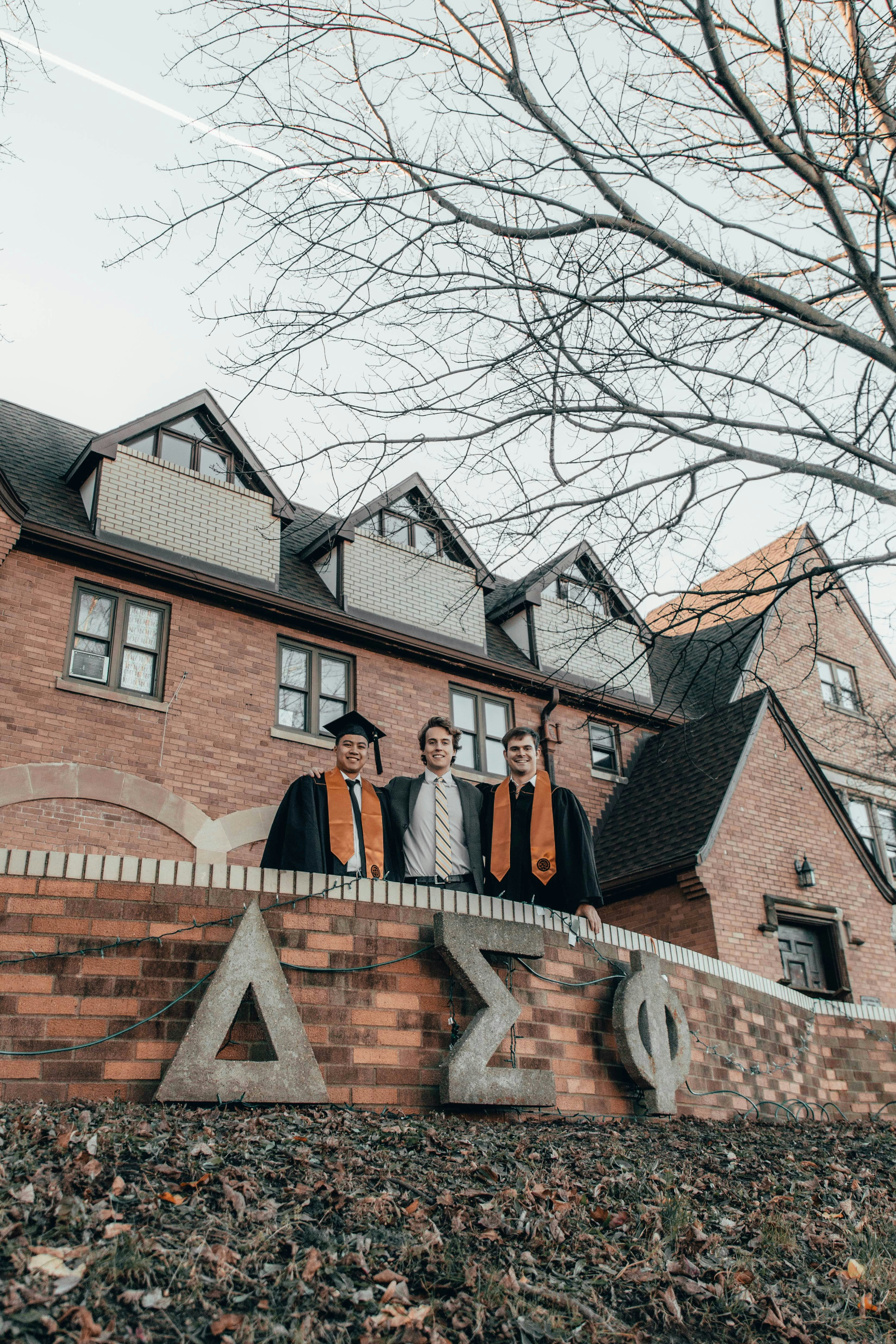
The Rising Costs of Higher Education
In recent years, the costs associated with obtaining a four-year college degree in the United States have surged at an alarming rate. According to the College Board, the average annual tuition and fees for public four-year institutions have escalated to approximately $10,740 for in-state students and about $27,560 for out-of-state students in the 2021-2022 academic year. Private non-profit colleges add further strain on budgets with an average annual tuition of around $38,070. Beyond tuition, students must also consider additional fees, textbooks, and living expenses, which can add thousands of dollars to the total cost of attendance.
The financial implications become more burdensome when one considers the prevalence of student loans. The Federal Reserve reported that student loan debt in the United States surpassed $1.7 trillion in 2021, impacting millions of graduates who often face years, if not decades, of repayments. This mounting debt has caused many to reconsider the overall value of a college degree, as they grapple with whether the potential earnings justify the financial burden incurred during their studies.
Moreover, as tuition fees continue to rise, families are left navigating increasingly complex financial aid options. The reliance on loans and grants can lead to disparities in access to higher education, particularly for low and middle-income families. This escalating cost not only raises concerns about affordability but also contributes to a growing disillusionment with a four-year degree as a pathway to financial stability. Many students are faced with the harsh reality that the return on their significant investment may not equate to the anticipated career opportunities and financial success, further exacerbating feelings of disappointment and uncertainty regarding their future.
Mismatch: Degrees versus Market Salaries
The landscape of higher education has evolved dramatically over the years, leading to a notable disconnect between the types of degrees earned and the accompanying market salaries that graduates can expect once they enter the workforce. Recent data indicates that while a college degree is often considered a key gateway to higher earnings, the reality is more complex. Graduates from fields such as humanities and social sciences frequently find themselves facing underemployment, with starting salaries not commensurate with the investment made in their education.
For instance, graduates with a bachelor’s degree in the arts may secure entry-level positions earning approximately $40,000 annually, which is significantly lower than their peers who have pursued degrees in engineering or computer sciences, where starting salaries can exceed $70,000. This discrepancy raises concerns about the financial viability of certain educational paths, especially considering the burden of student loans that many graduates carry into their professional lives.
The financial implications of this mismatch are far-reaching. Graduates who anticipated a robust return on their investment often encounter challenges that jeopardize their financial stability and overall career satisfaction. Underemployment not only affects their earnings but can also lead to a decline in job fulfillment, creating a cycle of disillusionment. Many graduates find themselves in positions that do not require a degree, further compounding the feeling that their academic efforts may not have been worthwhile.
This widening gap between academic credentials and real-world salaries calls into question the value of a four-year college degree in today’s job market. As the economic landscape continues to shift, it is imperative for prospective students to conduct thorough research into the projected outcomes associated with specific degree programs, ensuring that their educational investments align with realistic financial expectations.
Alternative Pathways: Exploring Options Beyond Traditional Degrees
In recent years, the discourse surrounding higher education has evolved, particularly concerning the financial implications and return on investment associated with four-year college degrees. As students increasingly question the value of a traditional education, alternative pathways have emerged as viable options that provide practical and cost-effective routes to career success.
Community colleges stand out as an excellent alternative for individuals seeking a more affordable educational experience. These institutions typically offer two-year associate degrees that prepare students for specific careers, making them an enticing option for those looking to enter the workforce without the burden of extensive debt. Fields such as healthcare, technology, and skilled trades often have robust programs at community colleges, fostering a skilled workforce aligned with industry demands.
Vocational schools also present a focused approach, offering specialized training and certifications that equip students with the necessary skills for various trades and technical fields. Programs at these institutions tend to be shorter, allowing individuals to quickly transition into the workforce. As job markets increasingly prioritize practical experience, vocational training becomes advantageous, especially in industries experiencing labor shortages.
Additionally, the rise of online courses has transformed the educational landscape, providing individuals with flexibility and accessibility to learn at their own pace and from the comfort of their homes. Numerous platforms offer courses in diverse subjects, enabling students to acquire new skills that are often sought after by employers, such as digital marketing, coding, and data analysis. This format not only reduces costs but also allows for tailored learning experiences that can be aligned with personal and professional goals.
Finally, apprenticeships offer hands-on experience while earning a wage, combining work and training. This model is particularly beneficial in fields such as construction, engineering, and manufacturing, wherein gaining practical skills is paramount. The apprenticeship framework provides a bridge to employment, ensuring that individuals are job-ready upon completion.
Overall, these alternative pathways present promising options that challenge the traditional narrative of higher education, ultimately leading to fulfilling and successful careers without the financial strain of a four-year degree.
The Shift in Perception: Rethinking the Value of a College Degree
In recent years, there has been a notable shift in the perceptions surrounding the value of a four-year college degree. Historically viewed as a critical pathway to career success, higher education is now increasingly scrutinized by students, parents, and employers alike. Many stakeholders are beginning to question the return on investment (ROI) associated with the considerable financial and temporal commitments a college degree demands.
Surveys indicate that a growing number of students are feeling skeptical about the benefits of enrolling in a four-year program. The financial burdens associated with student loans, combined with the rising cost of tuition, have prompted many to consider alternative educational routes. This shift is also mirrored in parental attitudes, with more families weighing the potential benefits of vocational training or apprenticeships against traditional degree programs. The evolving job market further complicates this discussion, as figures suggest that the skills required for many positions are changing rapidly, often outpacing what is taught in academic settings.
Employers, too, are starting to reevaluate their hiring standards. There is an increasing recognition that skills and experiences may offer a more accurate gauge of a candidate’s potential than the mere possession of a degree. Recruitment processes are beginning to emphasize competency assessments, certifications, and relevant experience over formal educational credentials. Notably, companies in the technology sector, such as Google and Apple, have already adopted flexible hiring practices that prioritize skills over degrees, encouraging a broader understanding of what constitutes a qualified employee.
This shift invites a reevaluation of success; the definition of achievement in the modern workplace is broadening. As society grapples with these changing dynamics, it is crucial to recognize that education can take many forms. Success is no longer solely tied to a four-year college degree but rather encompasses a diverse array of skills, experiences, and paths that can ultimately lead to fulfilling careers.