
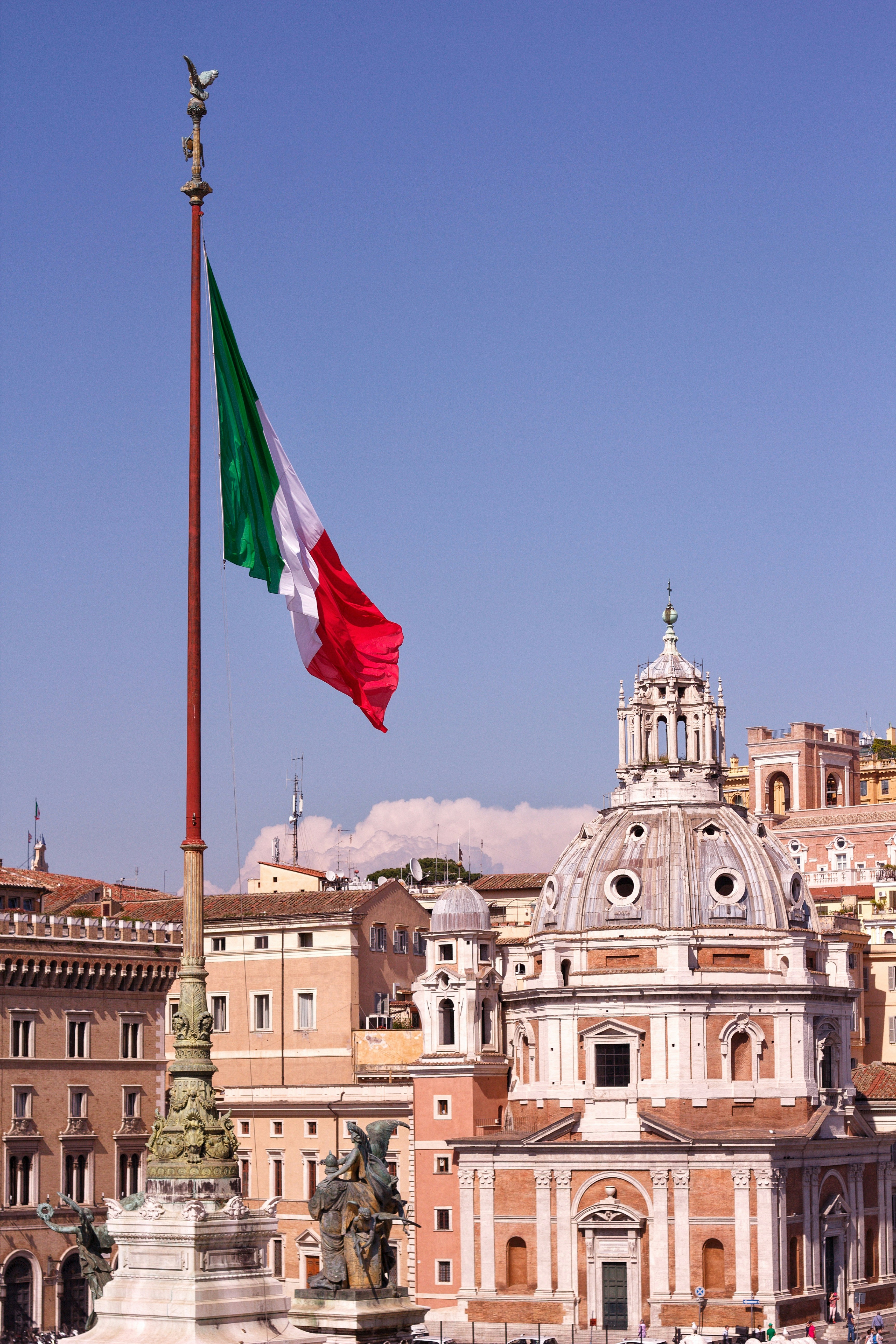
Introduction: The Land of Many States
The Italian peninsula, characterized by its diverse geography and rich cultural heritage, has a history that reflects a mosaic of societies and political entities. In ancient times, Italy was inhabited by a variety of peoples, including the Etruscans, Greeks, and Celts, each contributing to the complex tapestry of what would eventually become the nation we recognize today. The richness of the land, with its mountains, plains, and coastal regions, fostered a multitude of independent states and city-states, each with its unique identity, traditions, and governance.
During the early centuries, the land saw the rise of powerful civilizations such as the Roman Empire, which initially unified much of Italy under a single political banner. However, following the fall of the Empire in the 5th century AD, the peninsula fragmented into numerous feudal territories and regional states, a process that endured for centuries. This fragmentation paved the way for a period marked by local rivalries and independent rule, which included regions like Venice, Florence, and the Kingdom of the Two Sicilies, each flourishing in its own right. The cultural output of these independent states was significant, with advancements in art, architecture, and intellectual thought setting the stage for the Renaissance era.
The historical backdrop of Italy is crucial for understanding its eventual unification in the 19th century. The interplay of power among these various states, combined with shifting alliances and conflicts, created a dynamic environment that both hindered and facilitated the notion of Italian identity. This complex past underscores how Italy, known for its striking landscapes and cultural significance, originated from a land of many states, each contributing to the rich heritage that continues to define the nation. With this context in mind, the journey toward unity will be further explored in subsequent sections.
Ancient Roots: Rome and Beyond
The history of Italy can be traced back to ancient Rome, one of the most influential civilizations in human history. Founded in 753 BC, Rome began as a small settlement on the Palatine Hill, but it rapidly expanded into a powerful city-state and eventually an expansive empire that dominated much of Europe, North Africa, and the Middle East. The governance structures, legal frameworks, and architectural innovations established by the Romans not only shaped their empire but also laid the groundwork for the future of the Italian states.
At the height of its power, the Roman Empire encompassed vast territories, creating a network of provinces that were interconnected through a sophisticated system of roads and communication. This extensive reach encouraged the diffusion of Roman culture, language, and customs, which continue to influence modern Italian society. Roman law, a cornerstone of governance, established principles that would later be instrumental in the development of civil law systems across Europe. As a crucial element of Roman governance, the Senate and various political institutions provided a blueprint that would inspire future leaders and states in Italy.
Moreover, the cultural legacy of ancient Rome significantly impacted Italian regional identities. The dissemination of Latin as a lingua franca facilitated communication and administrative cohesion among diverse groups within the empire. As the empire fragmented in the 5th century AD, the regions that constituted Italy retained elements of Roman culture, integrating them with local traditions. This blending of influences would eventually contribute to the distinct identities of future Italian states. The remnants of Roman architecture, such as the Colosseum and aqueducts, remain as testaments to this enduring legacy, underscoring the profound implications of Rome’s ancient roots on Italy’s historical trajectory.
The Middle Ages: Feudalism and Fragmentation
The Middle Ages, spanning roughly from the 5th to the late 15th century, marked a transformative period in Italian history, characterized by feudalism and fragmentation of the region into numerous kingdoms and city-states. Following the decline of the Western Roman Empire, Italy experienced a considerable shift in governance and social structure. Power became localized, leading to the emergence of feudal systems where loyalty and land ownership played pivotal roles in societal organization.
During this period, Italy was not a unified nation but a mosaic of dominions, with each city-state operating independently. Prominent city-states such as Florence, Venice, and Genoa evolved into powerful political entities, facilitating trade, culture, and innovations that would eventually lead to the Renaissance. Additionally, the economic prowess of these city-states often translated into political influence, creating a competitive atmosphere that fostered both collaboration and rivalry among them.
The influence of the Papal States also played a crucial role in this era. The popes wielded significant temporal power, governing vast territories in central Italy and impacting regional politics. The intertwining of religion and politics enabled the church to exert control over numerous city-states, shaping alliances and rivalries in ways that echoed throughout the subsequent centuries. Conversely, the Holy Roman Empire, under which various Italian kingdoms fell, sought to exert authority, adding another layer of complexity to the political landscape. This constant struggle between local ambitions and overarching empires fostered an environment of fragmentation, where allegiances shifted and power dynamics fluctuated.
In essence, the Middle Ages laid a foundation of cultural development amidst political disunity in Italy. The laborious feudal arrangements and the rise of city-states created a rich tapestry of interactions that would catalyze Italy’s eventual emergence from the Middle Ages, setting the stage for the vibrant culture and ideas of the Renaissance.
The Renaissance: Cultural Unification and Rivalries
The Renaissance, a remarkable period spanning roughly from the 14th to the 17th century, marked a significant chapter in the development of Italian culture and identity. Emerging from the preceding Medieval era, it fostered profound change characterized by a resurgence of interest in classical antiquity, which inspired artistic innovation, scientific inquiry, and the principles of humanism. Artists such as Leonardo da Vinci and Michelangelo, along with scholars like Petrarch and Machiavelli, significantly contributed to this intellectual and artistic awakening. This cultural flourishing not only transcended regional boundaries but also sowed the seeds for a shared Italian identity amidst the fragmented city-states.
In many ways, the Renaissance cultivated a sense of unity among the diverse regions of Italy. Patrons of the arts, including the powerful Medici family in Florence and the Popes in Rome, invested heavily in artistic projects that celebrated their cities and, by extension, Italian culture as a whole. These investments led to the creation of masterpieces that remain iconic, such as the Sistine Chapel ceiling and the statue of David. Such accomplishments fostered a growing sense of pride and identity among the Italian populace, facilitating a cultural interplay that transcended local affiliations.
However, this period was also marked by notable rivalries that further complicated the notion of unification. The city-states of Florence, Venice, and Milan often found themselves embroiled in political and military conflicts, driven by ambitions for dominance and control. The competition for resources, territory, and influence led to alliances and betrayals that underscored the fragmented political landscape of Italy. Despite these rivalries, the Renaissance ultimately acted as a crucible for Italian culture, encouraging dialogue and exchange among its diverse entities. The interplay of unification and rivalry allowed for a rich tapestry of expression that defined an era deeply embedded in the Italian consciousness.
The Rise of Nationalism: 19th Century Movements
The 19th century marked a pivotal era in the evolution of Italy as diverse nationalist movements gained momentum, culminating in the quest for unification. Central to these movements were influential figures like Giuseppe Mazzini and Giuseppe Garibaldi, who played crucial roles in advocating for the unification of Italy and the rise of a national identity. Mazzini, a fervent republicanist and supporter of democratic principles, emphasized the importance of a united Italy through his writings and political activism. His call for a “Brotherhood of Nations” resonated with many Italians who sought to transcend the geographic and cultural divisions within the peninsula.
Garibaldi, on the other hand, became known for his military prowess and charismatic leadership. His famed expedition, the “Expedition of the Thousand,” in 1860, significantly advanced the unification process by successfully conquering the Kingdom of the Two Sicilies. This military campaign, fueled by Garibaldi’s vision of a unified Italy, inspired thousands to participate and solidified his place as a national hero. The shared aspirations for independence from foreign rule and the establishment of a national government contributed to a growing sense of Italian nationalism during this period.
Furthermore, a series of revolutions across Europe, known as the Revolutions of 1848, played a significant role in invigorating the nationalist sentiment in Italy. These uprisings, although largely suppressed, ignited discussions about national identity and self-determination. The provinces began to envision a unified Italy with a common language, culture, and history, which facilitated the consolidation of various regional identities into a singular national consciousness. The fervor of these 19th-century movements set the stage for the eventual declaration of the Kingdom of Italy in 1861, marking a significant milestone in the pursuit of national unity.
The Role of Kingdom of Sardinia
The Kingdom of Sardinia, particularly the region of Piedmont, played a pivotal role in the unification of Italy during the 19th century. At the helm of this movement was Count Camillo di Cavour, a prominent statesman and diplomat whose vision for a unified Italy was deeply rooted in both political strategy and nationalistic fervor. Cavour recognized that for Italy to emerge as a cohesive entity, it was essential to first establish Piedmont as a powerful and modern state that could lead the other Italian territories towards unification.
Cavour’s diplomatic efforts were instrumental in garnering support from foreign powers while simultaneously working to isolate the Austrian Empire, which dominated northern Italy during this time. His skillful alliances, particularly with France, facilitated military interventions that were crucial for dismantling Austrian influence. The Franco-Austrian War of 1859 was a significant turning point; under Cavour’s guidance, Piedmont allied with France, successfully defeating Austrian forces. This victory not only reinforced Piedmont’s status but also encouraged other Italian states to join the unification cause.
Ultimately, the strategic vision and leadership of the Kingdom of Sardinia under Cavour were fundamental to the unification of Italy. His blending of diplomacy, military acumen, and governance set the groundwork for a unified Italian state, marking a pivotal chapter in the country’s fascinating history.
The Unification of Italy: Key Events and Figures
The unification of Italy, a complex and multifaceted process, was significantly shaped by a series of pivotal events and influential figures during the 19th century. One of the most crucial wars in this period was the Second Italian War of Independence, which took place between 1859 and 1860. This conflict saw the Kingdom of Sardinia, led by the astute and determined Prime Minister Count Camillo di Cavour, join forces with France against Austria. The war concluded with the decisive victories at the battles of Magenta and Solferino, ultimately leading to the expansion of Sardinian territory and laying the groundwork for a more unified Italy. This war marked a significant turning point, galvanizing the Italian states towards a common goal of unification.
Furthermore, the role of Giuseppe Garibaldi cannot be overstated in the story of Italy’s unification. His campaign in southern Italy, known as the Expedition of the Thousand, captured the attention of the world and inspired many Italians. Garibaldi and his volunteer army, known as the “Red Shirts,” successfully conquered the Kingdom of the Two Sicilies in 1860, facilitating the annexation of the southern regions into the Kingdom of Sardinia. This grassroots movement showcased the nationalistic fervor that swept through Italy, emphasizing the desire for a single, united nation.
Ultimately, the sealing of the unification process occurred in 1861 with the proclamation of the Kingdom of Italy under the leadership of Victor Emmanuel II, who became the first king of united Italy. As a symbolic figure, Victor Emmanuel II epitomized the aspirations of the Italian people for national identity and strength. The unification of Italy not only transformed the geopolitical landscape of Europe but also sparked a cultural renaissance, making its mark as a significant chapter in world history.
Challenges Post-Unification: The Italian Question
The unification of Italy in the 19th century marked a significant milestone in the nation’s history; however, it also ushered in a series of complex challenges that would shape its future. The newly unified state faced considerable regional disparities, as various parts of Italy differed in terms of economic development, culture, and infrastructure. The wealthier northern regions, like Lombardy and Veneto, had a more industrialized economy, while the southern regions, particularly the Mezzogiorno, continued to grapple with poverty and underdevelopment. This imbalance contributed to tensions as citizens began to question the effectiveness of a centralized Italian government.
Economic difficulties further compounded these challenges. Agricultural practices in the south lagged behind those in the north, leading to a struggle for resources and employment opportunities. Many southern Italians migrated north in search of better prospects, which escalated social tensions between different regional populations. Industrial strikes, social unrest, and a rising demand for labor rights became common as workers began to advocate for better living conditions and fair treatment. These economic and social disparities fueled the debate surrounding the national identity of Italy, as citizens wrestled with their allegiance to a unified state versus regional affiliations.
Moreover, the concept of the “Italian Question” emerged during this period, encapsulating the discussions regarding how to unify the cultural and social identities of a diverse populace. Scholars and politicians alike deliberated on how to forge a cohesive national identity that respected local traditions while promoting a sense of belonging to a unified Italy. As these challenges unfolded, various movements surfaced, seeking to address the unresolved issues of the newly unified nation, underscoring the complexity of nation-building in the context of Italy’s rich and varied history.
Conclusion: The Legacy of a United Italy
The unification of Italy in the 19th century marked a pivotal moment in the nation’s history, significantly influencing its identity and development. This transformation, spearheaded by key figures such as Giuseppe Garibaldi and Count Camillo di Cavour, helped to unify disparate states into a singular entity, promoting a shared sense of national identity. The implications of this unification continue to resonate within modern Italian society and culture.
Italy’s historical journey toward unification has left a profound legacy, impacting not only national pride but also the political landscape of Europe. Present-day Italy retains the cultural richness derived from its diverse regional histories, which have been woven together into a cohesive national narrative. This blend of traditions and customs is vital to understanding contemporary Italian identity, as it reflects both unity and regional diversity.
Furthermore, the legacy of a united Italy extends to its political and social institutions. The unification process catalyzed the development of a centralized government, which has evolved over time to meet the changing needs of its citizens. Modern Italy, now an integral member of the European Union, showcases how the historical path of unification has influenced its policies and global standing. The interplay between Italy’s rich past and its current trajectory continues to shape the nation’s perspectives on key issues, such as immigration, economic development, and cultural heritage.
In conclusion, the legacy of a united Italy is evident in its enduring national identity, cultural heritage, and political structures. By understanding the historical context of Italy’s formation, one gains valuable insight into the complexities and challenges that contemporary Italy faces. This understanding fosters not only appreciation for Italy’s remarkable history but also a recognition of its ongoing evolution within the broader European landscape.