
Introduction to Speed in the Animal Kingdom
Speed plays a vital role in the survival and adaptation of various species within the animal kingdom. It serves as a crucial factor in both predator-prey dynamics and the overall ecosystem. For numerous animals, the ability to move quickly can mean the difference between life and death, underpinning the importance of speed as an evolutionary trait. The different forms of speed vary significantly across various species, manifesting in three primary categories: sprinting, flying, and swimming.
Sprinting animals, such as cheetahs and antelopes, exhibit remarkable acceleration and agility on land. This form of speed is not merely about raw velocity but also involves maneuverability that helps them evade predators or capture prey. In contrast, flying animals, like falcons and swifts, utilize aerodynamic adaptations that allow substantial speed when navigating through the air. Their body structure, including wings designed for minimal drag, plays a significant role in achieving their impressive velocities. Swimming, on the other hand, is characterized by animals such as the sailfish, which showcase incredible burst speeds in aquatic environments, facilitated by streamlined bodies and powerful fins.
To enhance their speed, many species have developed specialized adaptations. These include optimized body structures that reduce resistance, unique muscle compositions tailored for explosive energy release, and physiological traits that improve oxygen utilization during high-speed activities. For instance, the type of muscle fibers prevalent in fast-running animals often differ from those in slower-moving species, contributing to their notable speed capabilities. Understanding these traits provides insight into the evolutionary pressures that shape animal behavior and survival strategies in diverse habitats.
The Peregrine Falcon: The Supreme Speedster
The Peregrine Falcon, scientifically known as Falco peregrinus, holds the esteemed title of the fastest animal in the world. This remarkable bird is capable of reaching astonishing speeds exceeding 240 mph during its hunting dives, known as stoops. The Falcon’s unparalleled speed is not solely attributed to its aerial prowess; rather, it is a culmination of unique biological adaptations that enhance its efficiency in the air.
One of the most defining features of the Peregrine Falcon is its streamlined body, which minimizes air resistance and enables rapid movements. This adaptation is complemented by powerful muscles that provide the necessary strength for swift ascents and descents. Furthermore, the Falcon possesses specialized respiratory adaptations that facilitate high oxygen intake, an essential factor when diving at extreme speeds. These physical characteristics collectively enable it to outpace any competitor, making it a masterful predator in the avian world.
The hunting technique of the Peregrine Falcon is as impressive as its speed. When pursuing prey, such as small birds, the Falcon will often soar high above its target before executing a dramatic dive from great heights. This approach not only allows it to reach remarkable velocities but also maximizes the element of surprise. Combining visual acuity with powerful talons, the Peregrine expertly snatches its prey mid-air, showcasing a blend of agility and force.
Ecologically, the Peregrine Falcon plays a critical role in maintaining the balance within its environment. As an apex predator, it helps regulate populations of its prey species, contributing to healthy ecosystems. Through its exemplary hunting skills and remarkable physical adaptations, the Peregrine Falcon solidifies its position as nature’s ultimate speed demon, captivating all who observe its breathtaking displays of flight.
Comparing Speed: Other Fast Animals in the Kingdom
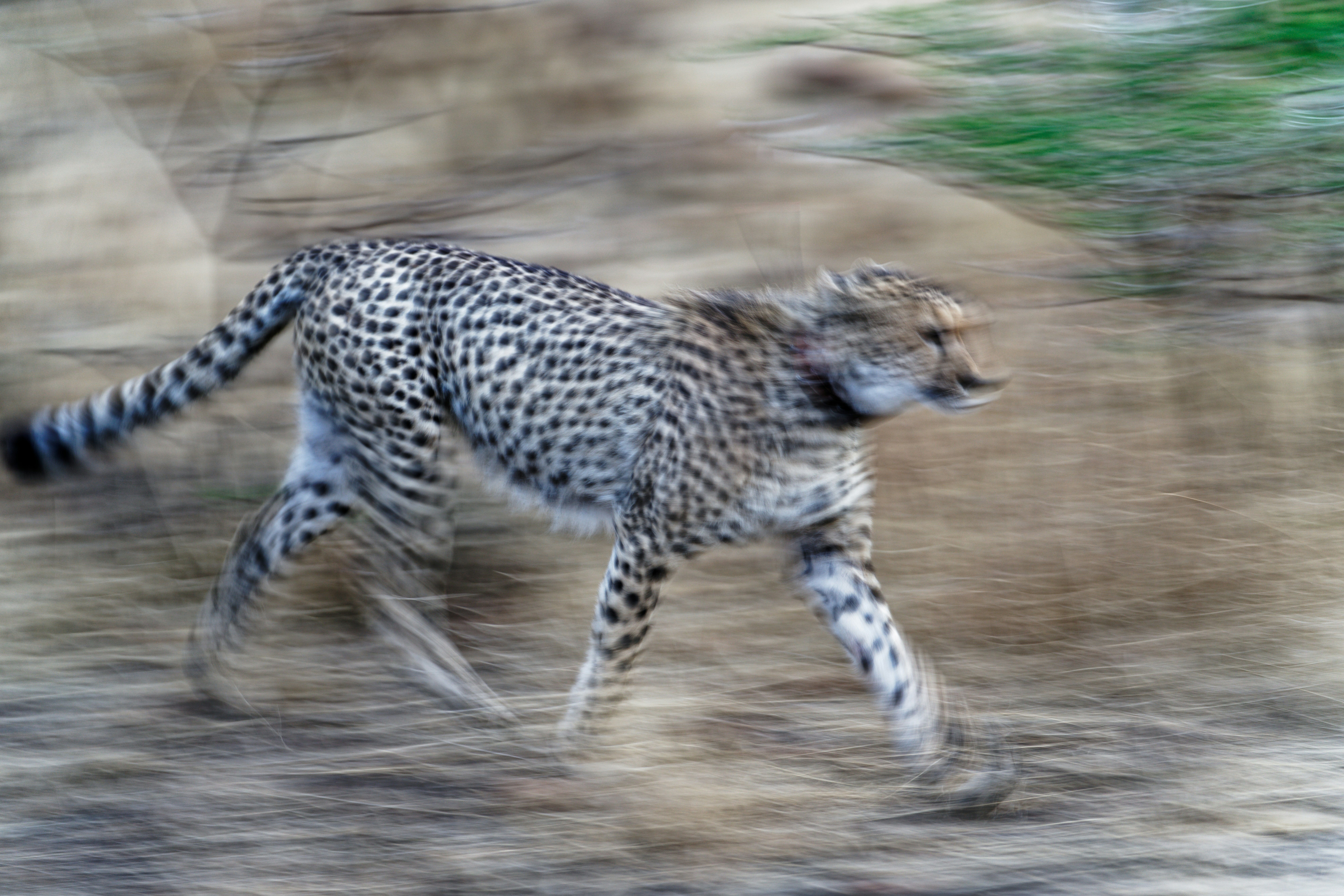
Within the animal kingdom, speed is a remarkable adaptation that plays a critical role in the survival of various species. One of the most notable speedsters on land is the cheetah, which is renowned for its ability to reach speeds of up to 75 mph (121 km/h) in short bursts covering distances up to 500 meters. This exceptional speed allows the cheetah to hunt effectively, employing a combination of explosive acceleration and agility to catch prey. Its lightweight frame and specialized leg muscles contribute significantly to its fast pace, making it the fastest land mammal.
Moreover, the Brazilian free-tailed bat is an impressive contender in the skies, capable of reaching speeds around 99 mph (160 km/h). This species has evolved elongated wings and a streamlined body that enhance its aerodynamics. The common swift, another avian contender, showcases remarkable speed during its flight, with recorded speeds of up to 69 mph (111 km/h). These birds spend the majority of their lives in the air, which is a critical factor contributing to their speed capabilities.
In the aquatic realm, several fish species exhibit extraordinary speeds. The black marlin, for instance, can swim at speeds approaching 82 mph (132 km/h). This swift movement is facilitated by its powerful body and streamlined shape, designed for quick acceleration in the water. Similarly, the sailfish is known for its speed, often reaching 68 mph (110 km/h). Such adaptations demonstrate the evolutionary pressures that have shaped these animals for rapid movement within their respective environments.
When analyzing these remarkable animals, it is essential to consider the evolutionary mechanisms that enable their high-speed capabilities. While the Peregrine Falcon holds the title of the fastest animal overall, reaching speeds exceeding 240 mph (386 km/h) during dives, both terrestrial and aerial species have developed unique traits that allow them to compete in the race for survival. Each species demonstrates that speed is not merely an advantage but a crucial component of their ecological niche. In conclusion, the comparisons among these fast animals illustrate the diversity of adaptations that have evolved across various habitats.
The Evolutionary Purpose of Speed in Animals
Speed is a crucial trait that has evolved in various animal species, serving multiple purposes that significantly enhance their survival and reproductive success. In the context of predation, speed allows hunters to catch their prey effectively. For example, the cheetah, known as the fastest terrestrial animal, can achieve speeds up to 75 miles per hour. This remarkable ability enables it to close distances quickly when pursuing agile ungulates like gazelles on the open plains. The evolutionary development of such speed is attributed to selective pressures that favor individuals capable of outrunning their prey, thereby ensuring successful feeding and sustenance for future generations.
Conversely, speed is vital for prey animals as well, functioning as a key mechanism for evasion. Creatures such as the Thomson’s gazelle have evolved swift legs not only to navigate their environment but to escape the confines of predatory threats. These high-speed chases illustrate the ongoing evolutionary arms race where both predators and prey continuously adapt to one another. Factors such as body size, muscle fiber composition, and environmental context combine to optimize speed, allowing species to survive better in their respective niches.
The environment plays a prominent role in shaping the speed adaptations of various animals. For instance, open grasslands favor fast-running species like the cheetah, which benefits from unobstructed terrain that enhances its sprinting ability. In contrast, avian species such as the peregrine falcon possess speed adaptations suited for high-altitude aerial pursuits, reaching over 240 miles per hour in a stoop dive. Such evolutionary divergences underscore how habitat characteristics can influence speed development across species.
As human activities continue to alter natural habitats, the future of speed in the animal kingdom may be at risk. Habitat fragmentation and climate change may impede the evolutionary processes that foster high-speed adaptations, posing challenges to both predators and prey in their quest for survival. Understanding the interplay between speed and evolution ultimately deepens our appreciation of the complexities within the animal kingdom and highlights the importance of habitat conservation.
You might also like:
- Robert Lewandowski’s Future at Barcelona: A Critical Decision
- Trading Session Overview: October 27 – Market Rally and Influential Trends
- Gold Price Surge: Understanding the Recent Spike and Future Predictions
- Ecuadorian Drug Lord’s Capture: Fake Death Unraveled in Spain
- Anthony Joshua vs. Jake Paul: A Boxing Showdown Worth the Risk