
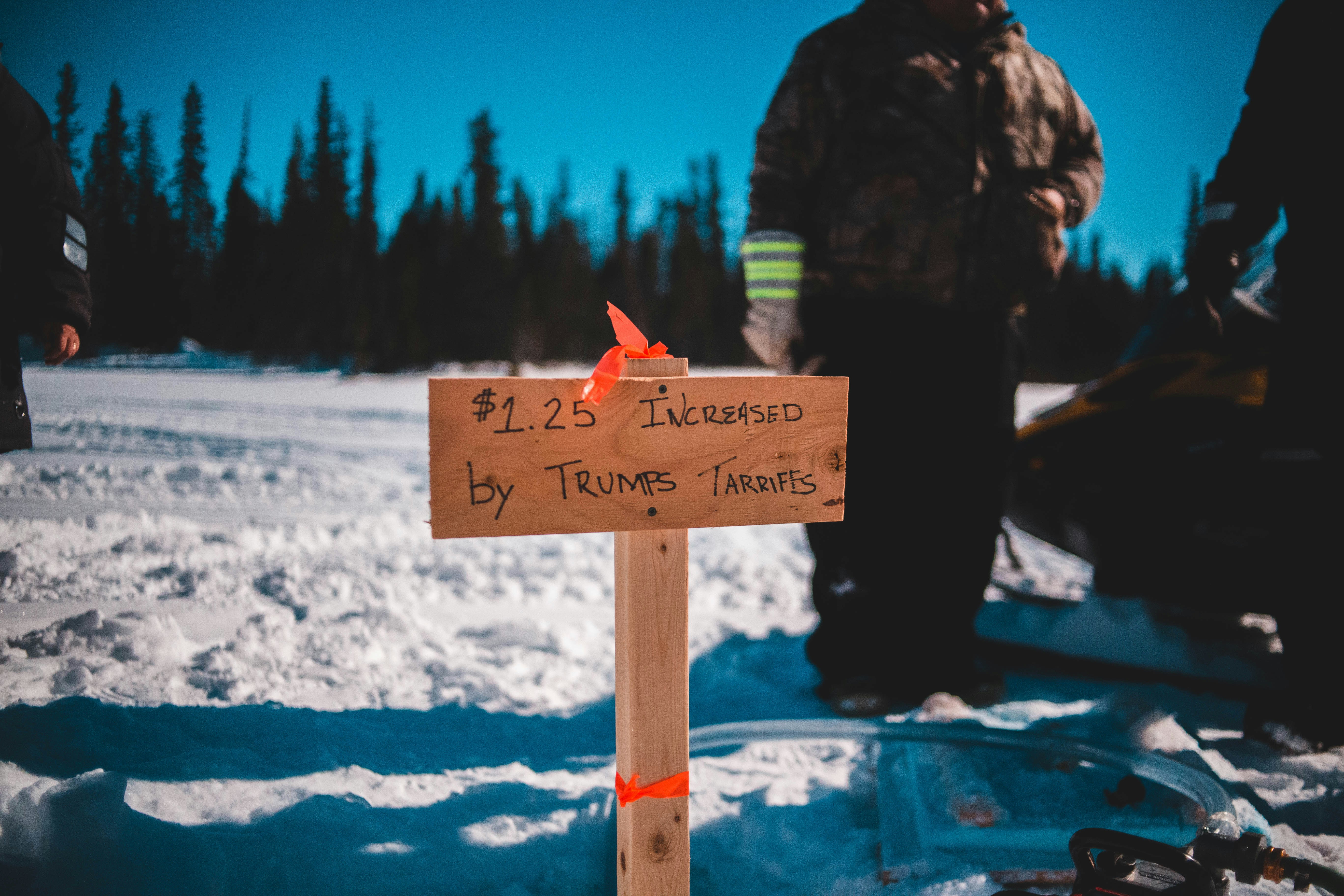
Overview of the Tariff Situation
In recent years, the United States has enacted several tariff policies affecting a variety of goods imported from China. These tariffs were first introduced in 2018 as part of an effort to combat what many considered unfair trade practices, including intellectual property theft and trade imbalances. Initially, the Trump administration imposed tariffs on approximately $250 billion worth of Chinese goods, impacting products ranging from electronics to furniture. The rationale was to encourage American consumers to prefer domestic products and mitigate the negative effects of offshoring manufacturing jobs.
Over time, these tariffs evolved, with subsequent administrations adjusting rates and adding new categories of goods subject to these levies. For example, in December 2019, additional tariffs targeted consumer goods, including toys, clothing, and electronics—products that are traditionally popular during the holiday shopping season. As a result, consumers faced increased prices for these essential items due to the added costs incurred by retailers importing these goods. By December 2025, the situation has become increasingly complex, as many of these tariffs remain in place, with subsequent discussions around their continued relevance and effectiveness.
As the holiday shopping period approached in December 2025, consumers began to feel the tangible impacts of these tariffs. With inflation concerns already at the forefront of the economic dialogue, the introduction of tariffs on holiday-related products heightened awareness of the associated financial burden on American families. The ongoing trade tensions between the U.S. and China have left many shoppers adjusting their holiday budgets and re-evaluating their purchasing decisions, raising questions about the long-term ramifications of these tariffs on consumer behavior and the broader economy.
Consumer Behavior During the Holiday Season
As the holiday season approaches in December 2025, U.S. consumers are increasingly feeling the effects of ongoing tariffs on imported goods, particularly those sourced from China. These tariffs have directly influenced purchasing decisions, leading many shoppers to adapt their strategies in response to rising costs and shifting availability of popular products. This year, consumers are proactively re-evaluating their spending habits and considering alternatives to imported items.
One notable trend emerging this holiday season is an inclination toward domestic products. Shoppers are showing a growing preference for items manufactured within the U.S., as these products typically face fewer price increases from tariffs. This shift not only reflects a desire to support local economies but also a calculated response to the perceived value associated with domestically produced goods. Additionally, many retailers are capitalizing on this trend by promoting “Made in the USA” items, further encouraging consumers to shift their spending away from foreign imports.
Furthermore, the ongoing tariff situation has generated a sense of urgency among consumers, prompting them to make holiday purchases earlier than usual. Many shoppers are concerned that prices will continue to rise as the holidays approach, leading to increased spending in the early part of the season. This change in consumer behavior has implications for retailers as they adjust inventory and marketing strategies to accommodate these shifts.
Specific instances of increased prices on popular holiday gifts underline the tangible effects of tariffs. Electronics, toys, and home goods have all seen price hikes attributed to the additional costs imposed by tariffs. Consumers are responding by seeking out discounts, exploring options in local shops, and searching online for the best deals. In conclusion, the impact of tariffs on consumer behavior during the holiday season is significant, shaping choices, spending habits, and overall shopping experiences across the nation.
Economic Analysis of Tariff Effects
As the December 2025 holiday season approaches, an economic analysis of tariffs reveals significant implications for the U.S. economy. Tariffs, which are taxes imposed on imported goods, can disrupt supply chains, alter retail pricing, and contribute to inflationary pressures. Manufacturers often face increased costs for imported raw materials, which may lead them to pass these costs onto consumers. This situation poses a critical concern during peak shopping periods when consumers are particularly price-sensitive.
Retailers, facing higher expenses due to tariffs, must make difficult decisions regarding their pricing strategies. Some may choose to absorb the costs to maintain sales volume, while others may raise prices to protect their profit margins. An increase in prices could lead to a decline in consumer spending, especially for discretionary items typically purchased during the holiday season. According to a recent report from the National Retail Federation, consumer spending during the holidays is highly sensitive to price fluctuations, making this a key factor for retailers to consider.
Expert opinions and data provide additional context for understanding the relationship between tariffs and consumer behavior. A study by the Conference Board indicated that consumer confidence tends to wane in response to rising prices, which can be exacerbated by tariffs. When confidence is low, consumers may opt to delay purchases or seek discounts, further impacting holiday retail sales figures.
Furthermore, key economic indicators reveal a correlation between tariffs and retail performance. As tariffs lead to rising costs, inflationary pressures can stifle economic growth, leading to reduced disposable income for households. These dynamics highlight the complexity of how tariffs will affect the U.S. economy and, ultimately, holiday shopping experiences across the nation.
Looking Ahead: Future of Tariffs and Shopping
As we approach the end of 2025, the trajectory of U.S.-China trade relations remains uncertain, and the potential implications for tariff policies are complex. Future scenarios could unfold based on various factors, including domestic political dynamics, international economic conditions, and negotiations between trade partners. With changing administrations, there could be shifts in how tariffs are implemented, affecting consumers directly during critical shopping periods, such as the holiday season.
One possible outcome is the continuation or even escalation of tariffs on Chinese goods, perpetuating a situation where consumers face higher prices on a range of imported products. This scenario may lead to retailers absorbing some of the costs in a bid to maintain market competitiveness. However, if tariffs on essential goods are maintained, consumers might find themselves holding the financial burden, leading to reduced spending during the holiday shopping season. Consequently, this could impact retail revenues well into the coming years.
On the other hand, there is also the possibility of a thawing in U.S.-China relations. A reduction in tariffs could provide much-needed relief to consumers and retailers alike, potentially resulting in lower prices and increased availability of goods. This shift could create a more favorable environment for holiday shopping, encouraging consumer confidence and spending. If trade negotiations produce favorable outcomes, it may further stabilize the market and re-establish previous supply chains disrupted by prior tariff implementations.
Overall, the future of tariffs and their impact on holiday shopping in the U.S. remains a topic of significant consideration. As consumers navigate this landscape, the interplay of political, economic, and trade negotiations will undeniably shape their shopping experiences and expectations moving forward. Staying informed and adaptable will be essential as we approach future holiday seasons.