
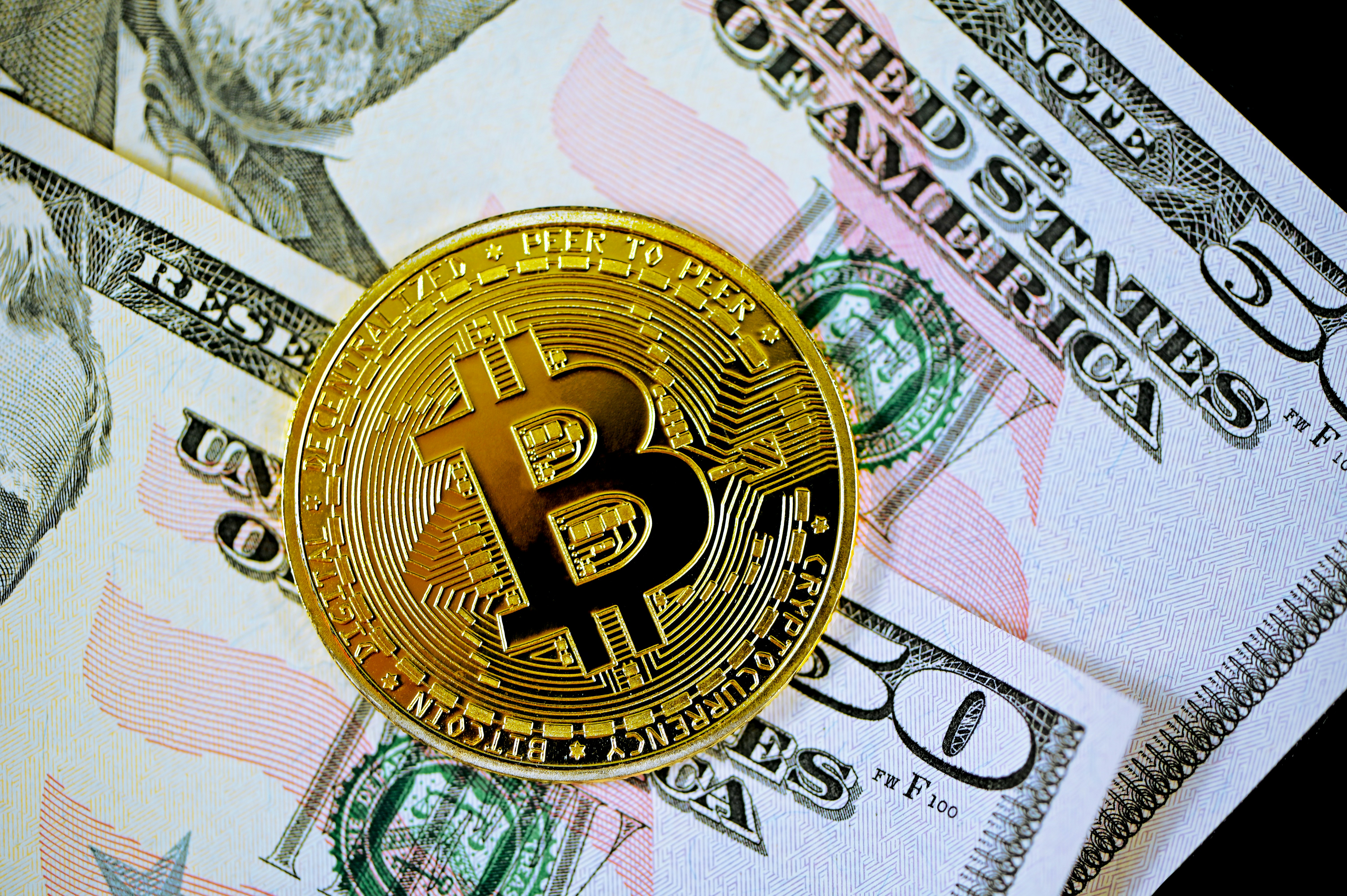
Overview of the Bitcoin Seizure
The recent seizure of Bitcoin has marked a significant milestone in the ongoing efforts by governments to clamp down on illegal activities linked to cryptocurrency. This unprecedented event unfolded against the backdrop of rising concerns over the use of Bitcoin in facilitating various forms of cybercrime, including money laundering, drug trafficking, and cyber-attacks. As the popularity of Bitcoin surged, so did the scrutiny from law enforcement agencies, leading to increased vigilance in monitoring suspicious transactions.
In an operation that has been described as the largest Bitcoin seizure in history, law enforcement officials confiscated a substantial quantity of digital currency believed to be linked to criminal enterprises. Reports indicate that the total amount seized was worth several hundred million dollars, showcasing the scale of the operation. This action was executed following extensive investigations and intelligence gathering, the results of which underscored the challenging environment surrounding cryptocurrency regulation.
The criminals involved in this case have been operating in the shadows of the dark web, utilizing sophisticated techniques to obscure their identities and evade capture. A core group of individuals was identified as being behind the vast network of transactions that had enabled them to profit from illicit activities. As regulators grapple with the enforcement of laws governing cryptocurrencies, this seizure has ignited discussions about the effectiveness of existing legal frameworks and the potential need for more stringent regulations.
This significant development is not only a critical enforcement action but also a pivotal moment in the ongoing discourse surrounding the intersection of cryptocurrency and law enforcement. Stakeholders from various sectors are closely examining the implications of this seizure for future regulatory measures and the evolving landscape of digital currencies. The outcome of this event may very well influence how cryptocurrencies are perceived and regulated globally.
The US Government’s Role and Justifications
The seizure of Bitcoin by the US government marks a significant event in the evolving landscape of cryptocurrency regulation, reflecting not only the capabilities of federal agencies but also the legal frameworks employed to govern digital assets. Central to this process have been agencies such as the Federal Bureau of Investigation (FBI) and the Drug Enforcement Administration (DEA), which have equipped themselves with the necessary technological and investigative tools to trace illicit activities associated with cryptocurrencies. The legal justifications for such vast confiscations are multifaceted, rooted in established laws that aim to combat financial crime, money laundering, and other illegal activities within the digital currency realm.
One of the primary justifications presented by the US government for the Bitcoin seizure is the commitment to curbing illegal activities facilitated by cryptocurrencies. The anonymity that digital currencies provide can often attract illicit actors, prompting regulatory measures to safeguard the financial system and ensure compliance with the law. As such, the seizure aligns with past precedents where authorities have intervened to dismantle criminal enterprises that exploit digital currencies for illegal gains. Furthermore, the legal basis for these actions can be traced back to existing laws regarding asset forfeiture, which empower law enforcement to confiscate property implicated in criminal activities.
The implications of these actions extend beyond this singular case, shaping the conversation surrounding cryptocurrency regulation in the United States. The government’s decisive stance on seizing Bitcoin illustrates a potential shift towards stricter oversight of digital assets, raising questions about the balance between innovation in the financial sector and necessary regulation aimed at maintaining security. As the legal framework continues to develop, future cases may see further clarity on how cryptocurrencies will be treated under the law and the extent of government authority in regulating these digital entities. Such developments will likely have profound effects on the cryptocurrency market, influencing both investor sentiment and compliance strategies among users of digital currencies.
China’s Response and Allegations of Hacking
China’s reaction to the largest Bitcoin seizure in history has been marked by a combination of denial and a strategic defense of its stance on cryptocurrency. Following the news of the confiscation, Chinese officials alleged that the seized funds were the result of hacking activities, arguing that these funds had been compromised rather than obtained through illicit means. This claim highlights the ongoing tensions between the United States and China regarding the management and regulation of cryptocurrencies.
China’s position on cryptocurrency regulation significantly diverges from that of the United States. While the US has embraced the potential benefits of blockchain technology and allowed for a more permissive environment for innovation, China has consistently taken a more cautious approach, focusing on control and regulation. The government’s crackdown on cryptocurrency trading and initial coin offerings (ICOs) in recent years has been accompanied by broad-based efforts to assert dominance over the digital currency sphere, including the development of a state-backed digital currency, the digital yuan. Consequently, China’s assertion that the Bitcoin funds were hacked serves as a reflection of its broader strategy to safeguard its economic interests and maintain a competitive edge in the realm of digital finance.
This incident also encapsulates a larger narrative surrounding international cybersecurity and economic competition. As nations increasingly turn to digital currencies as instruments of economic power, allegations of hacking and cyber intrusions take on heightened significance. The dispute regarding the origins of the seized Bitcoin underscores the delicate balance of trust and rivalry in the digital space, affecting not only the cryptocurrency market but the geopolitical landscape as a whole. Moving forward, the evolving dynamics between the US and China regarding cryptocurrency policy, financial technology, and cyber law will likely influence global conversations around these issues.
Public and Expert Reactions: A Divided Opinion
The unprecedented seizure of Bitcoin by US authorities has sparked a wide range of reactions from both the public and experts in the field of cryptocurrency. Advocates for digital currencies argue that such government actions signify a troubling trend towards overreach that may undermine the fundamental principles of cryptocurrencies. They view Bitcoin as a decentralized asset, and any confiscation by state entities can be perceived as a direct affront to the autonomy that blockchain systems promise. Furthermore, there are concerns about how this event may set a precedent that could discourage investment in cryptocurrencies, as potential investors look for stability and assurance of their digital assets’ security.
Conversely, legal experts and some members of the public believe the seizure may be justified under current laws aimed at preventing illegal activities, including money laundering and fraud. They argue that the government’s actions are necessary to uphold the integrity of financial systems and protect citizens from potential criminal exploitations of cryptocurrencies. This group highlights the importance of regulatory frameworks to bring legitimacy to Bitcoin, indicating that a certain level of oversight may ultimately foster trust in digital currencies rather than diminish it.
You might also like:
- The Evolution of Technology: Shaping Our Future
- Tensions Escalate: Israel’s Airstrikes on Hezbollah in Southern Lebanon
- Unraveling Battlefield 6: The Mystery of the Hidden Firing Range Room
- Germany’s Controversial Asylum Policy Change: The December 11, 2025 Decision
- The Impact of Tariffs on Holiday Shopping in the U.S. – December 2025