
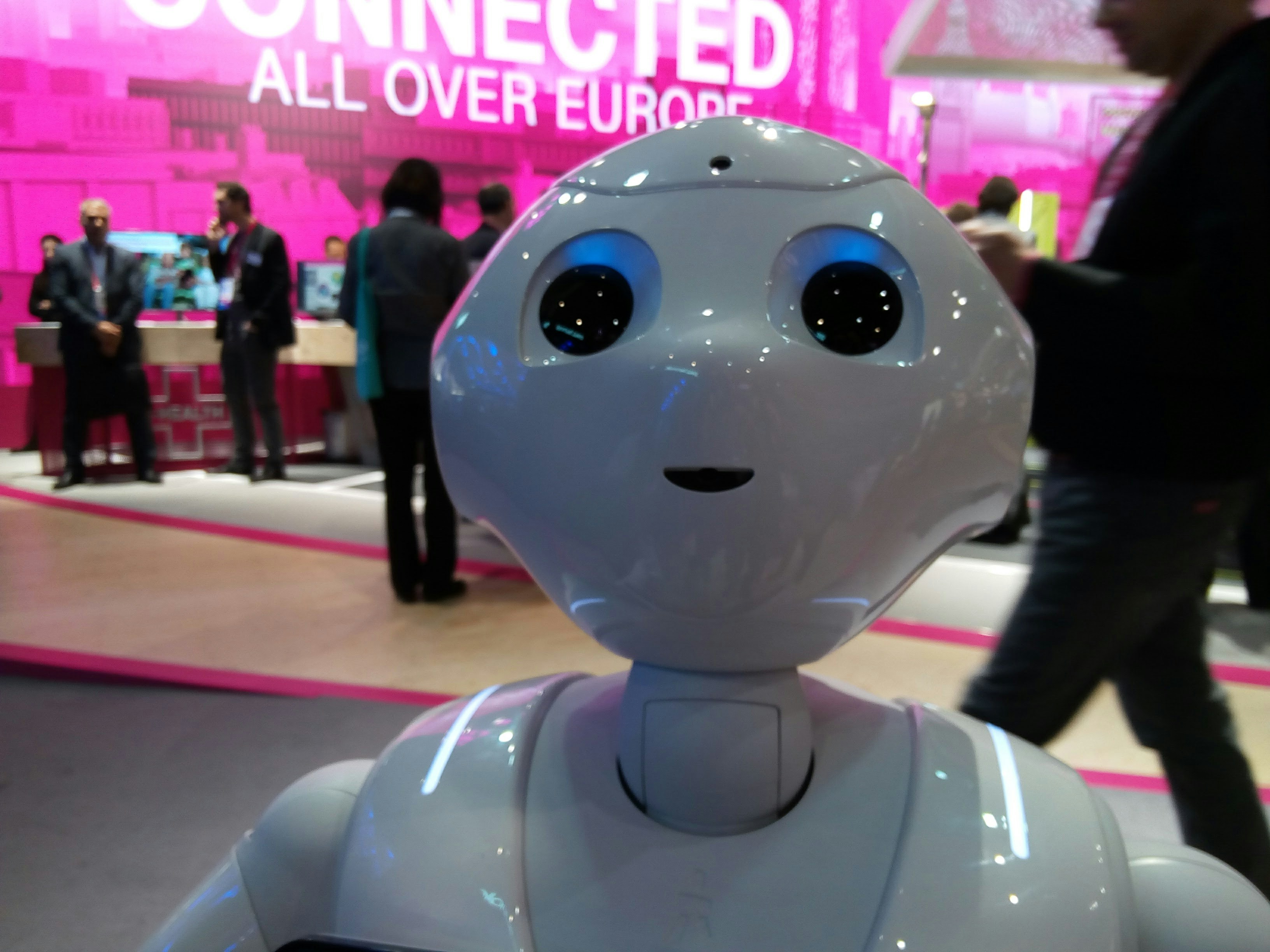
Introduction to Socially Interactive Robots
Socially interactive robots are advanced machines designed to engage with humans in meaningful and empathetic ways. These robots are equipped with sophisticated algorithms and artificial intelligence that allow them to interpret human emotions, respond to social cues, and participate in conversations. Their primary objective is to facilitate interaction, making them valuable tools across various sectors, including education, healthcare, and entertainment.
In the educational field, socially interactive robots serve as tutors or companions, providing personalized learning experiences. For instance, robots can adapt to the unique learning pace of each student, ensuring effective knowledge transfer while maintaining engagement through interactive methods. Furthermore, these robots can also support children with special needs by offering emotional support and social interaction opportunities that might be challenging for them in traditional classroom settings.
Healthcare is another pivotal area where social robots are making a significant impact. They can assist in therapy sessions for patients, particularly the elderly or those dealing with cognitive impairments. By providing companionship, these robots help reduce feelings of loneliness, promoting mental well-being among patients. Additionally, socially interactive robots can engage in simple tasks, such as reminding patients to take medications or guiding them through rehabilitation exercises, thus improving their quality of life.
In the realm of entertainment, socially interactive robots are changing how we perceive technology’s role in our daily leisure activities. They can perform as entertainers, provide companionship, or engage users in games, enhancing social interaction between individuals and machines. By mimicking human-like behaviors and responses, these robots foster an engaging experience that resonates with users on an emotional level.
As we explore the realm of advanced robots like Ameca, the implications and possibilities of socially interactive robots continue to expand, highlighting their vital role in our modern societies.
The Technology Behind Ameca: Unveiling Realistic Facial Expressions
The development of socially interactive robots, such as Ameca, represents a significant advancement in robotic technology, particularly in the realm of expressing human-like emotions. This section aims to explore the engineering mechanisms that enable these robots to display realistic facial expressions and gestures, crucial for engaging interactions with humans.
At the core of Ameca’s capabilities is a combination of artificial intelligence (AI) and machine learning algorithms. These technologies facilitate the robot’s ability to learn from human interactions and adapt its responses accordingly. By analyzing vast amounts of data from real human interactions, Ameca can predict and replicate emotional expressions with remarkable accuracy. The AI systems interpret facial cues, tone of voice, and other contextual signals to generate appropriate facial movements and gestures that align with the simulated emotional state.
Equally important are the sophisticated sensors embedded within Ameca. These sensors play a vital role in capturing real-time data concerning the environment and the human counterpart’s expressions. High-resolution cameras and microphones allow the robot to detect subtle changes in facial expressions and voice intonations, which further inform its behavioral responses. For instance, when a human smiles, the sensors relay this information to the AI, which may trigger a similar smile in Ameca, fostering a more interactive and authentic experience.
Another critical component of Ameca’s realism is its intricate mechanical design, which includes actuators and motors that provide a wide range of movement for the facial features. This engineering allows Ameca to produce fluid and natural expressions, from subtle frowns to broad laughs, thus enhancing emotional resonance during human-robot interactions. By integrating advanced AI, machine learning, and cutting-edge sensor technology, Ameca exemplifies how modern robotics can create compelling social experiences, blurring the lines between machines and humans.
Applications of Socially Interactive Robots
The emergence of socially interactive robots, such as Ameca, presents transformative possibilities across various sectors, notably healthcare, education, and entertainment. In healthcare, robots can augment patient assistance by offering companionship and support to individuals experiencing long-term illness or rehabilitation. By providing reminders for medication and assisting in mobility, robots enhance the quality of care patients receive. For instance, prototypes like Mabu have been employed to interact with patients, leading to improved emotional well-being and adherence to treatment regimens.
In the realm of education, socially interactive robots serve as innovative tools for teaching and engagement. They facilitate personalized learning experiences by adapting their responses to individual learners’ needs. An example includes the robot Pepper, which has been utilized in classrooms to teach languages and interact with students, fostering a unique learning environment that integrates technology and education. This form of engagement not only motivates students but also helps educators identify and address learning challenges more effectively.
Entertainment is yet another sector where robots like Ameca are making significant strides. These robots can interact with humans in a natural and engaging manner, enhancing experiences in theme parks, museums, and public events. Robots programmed with advanced AI can simulate social interaction, providing entertainment while engaging users in conversation or games. A notable case is the integration of interactive robots in exhibitions, where they welcome guests and answer inquiries, thus enriching the visitor experience.
While the potential benefits of socially interactive robots are evident, challenges such as ethical considerations, user acceptance, and the balance of human-robot interaction need to be addressed. Understanding the implications of these robots in society is crucial to harnessing their benefits fully.
The Future of Human-Robot Interaction
The future of human-robot interaction is poised to enter a transformative phase, marked by advancements in robotics that enhance emotional engagement and social connectivity. Socially interactive robots, such as Ameca, are increasingly designed to engage with humans in a manner that mimics natural conversation and emotional exchanges. This evolution raises important ethical questions regarding the implications of integrating these robots into society. As robots become more sophisticated, the delineation between human and machine interactions may blur, requiring careful consideration of the moral responsibilities associated with their deployment.
Moreover, the societal impact of socially interactive robots is significant. In various settings, from healthcare to education, these robots can assist in promoting well-being by providing companionship to the elderly or supporting students with personalized learning experiences. The development of robots that can understand and respond to human emotions is likely to enhance communication dynamics, potentially fostering new relationships that could revolutionize how we interact with technology in our daily lives.
Looking ahead, several trends are expected to shape the evolution of socially interactive robots. Increased collaboration between robotics and artificial intelligence will likely yield robots with more advanced adaptive learning capabilities, enabling them to adjust behaviors based on user preferences and emotional cues. Furthermore, as these robots become more commonplace, public acceptance will play a critical role in determining their integration into society. Considering these factors, the concept of coexistence with socially interactive robots will need to evolve, challenging traditional perceptions of companionship and interaction.
Ultimately, the trajectory of human-robot relationships is still being defined, encouraging ongoing exploration of the potential benefits and challenges that socially interactive robots bring into personal and professional spheres. As we move forward, the importance of thoughtful, ethical frameworks will be paramount in shaping the future landscape of these interactions.
You might also like:
- Hurricane Melissa: A Superstorm Approaches Cuba
- Robert Lewandowski’s Future at Barcelona: A Critical Decision
- Escalating Tensions: Thailand-Cambodia Border Clashes on December 13, 2025
- Alexander Zverev Leads Germany to the Davis Cup Finals Semi-Finals
- Samsung Unveils the Galaxy Z Trifold: A Revolutionary Foldable Smartphone