
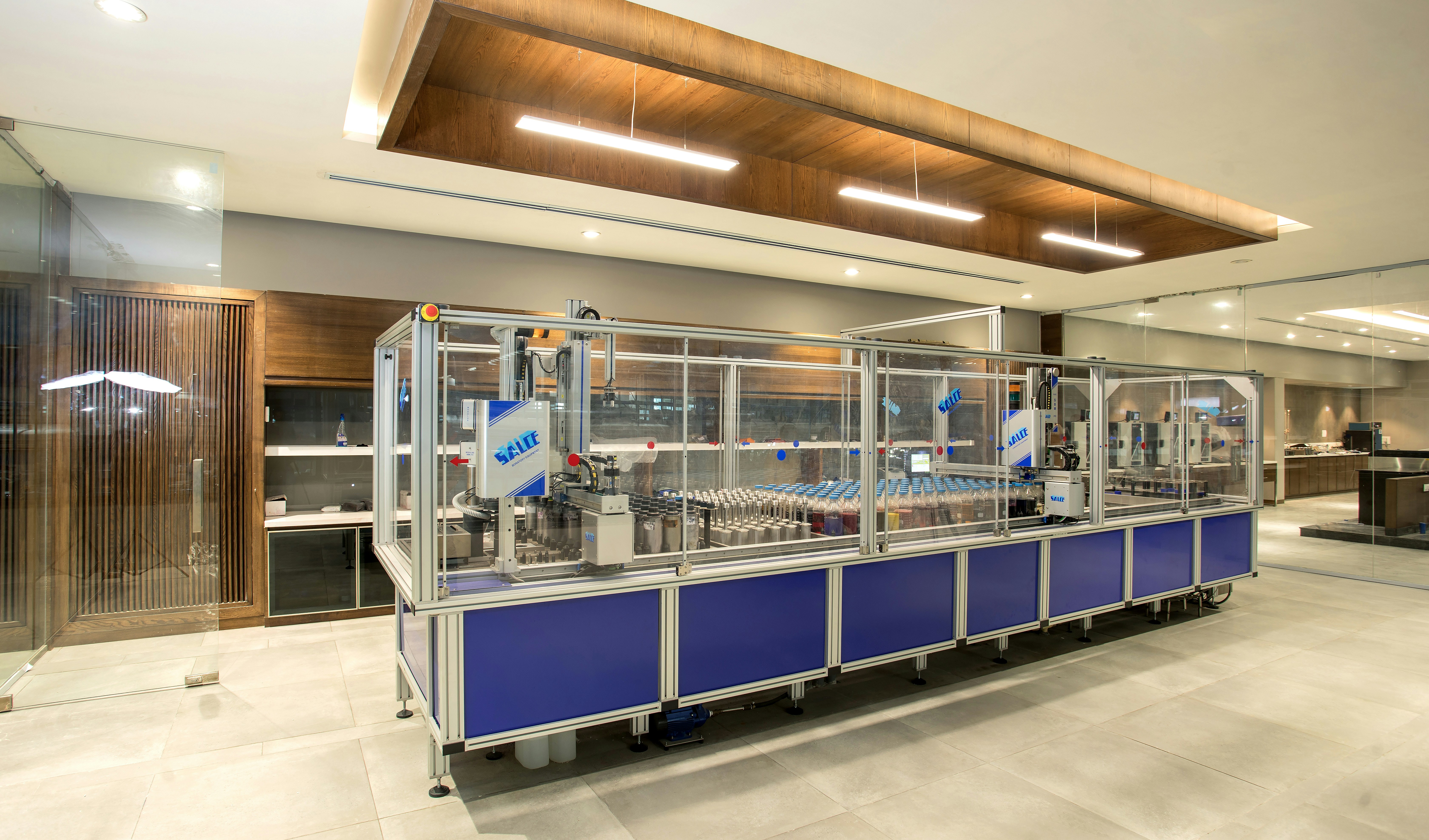
Understanding Turnkey Solutions
Turnkey solutions are comprehensive systems that are designed to be readily implementable with minimal customization or modification. In the context of robotics and automation, these solutions offer a pre-packaged approach that allows small and medium enterprises (SMEs) to adopt advanced technologies efficiently. A turnkey solution encompasses hardware, software, and necessary training, providing businesses with a seamless transition from manual processes to automated operations.
The essence of turnkey solutions is simplicity and accessibility. By bundling all components needed for automation, these systems enable SMEs to enter the realm of technology without the burden of extensive planning and design. For instance, a business looking to enhance its production line may find a robotic arm integrated with necessary software and user training bundled in a single package. This greatly reduces the time to deployment, allowing firms to benefit from automation almost immediately after installation.
Additionally, turnkey automation solutions often come at a lower total cost compared to custom-built alternatives. Custom solutions typically involve significant investment in terms of both time and resources, whereas turnkey systems are designed with standardized components that are cost-effective. This is particularly advantageous for SMEs that may have limited budgets and tight timelines. The reduced complexity involved in implementing these standardized solutions ensures that smaller enterprises can stay competitive without sacrificing quality or reliability.
Furthermore, as these turnkey systems are built with interoperability in mind, SMEs can configure their operations to scale up as their needs evolve. This flexibility is crucial in today’s fast-paced market, where agility and responsiveness are key to sustained growth. Overall, turnkey solutions represent an effective approach for facilitating the automation journey for small and medium enterprises, democratizing access to sophisticated technology previously reserved for larger organizations.
The Importance of Automation Technology for SMEs
In today’s highly competitive business landscape, small and medium enterprises (SMEs) face numerous challenges, particularly when competing against larger corporations with significant resources and established market presence. One of the key differentiators that can empower SMEs to level the playing field is the adoption of automation technology. By leveraging automation, SMEs can enhance their operational efficiency, productivity, and cost management, which are vital for sustainable growth in an increasingly challenging economic environment.
Automation technology serves as a critical enabler for SMEs looking to streamline their operations. By automating repetitive tasks and processes, businesses can reduce the likelihood of human error, which can be detrimental to performance and customer satisfaction. This reduction in errors not only minimizes operational disruptions but also enhances the reliability of service delivery, which is paramount for retaining customers in today’s market.
Moreover, the incorporation of automation in SMEs allows for the reallocation of human resources. Employees can focus on higher-value activities that require creativity and strategic thinking, rather than getting bogged down by mundane tasks. This shift not only enhances employee engagement but also drives innovation within the organization, as teams are freed up to develop solutions and strategies that can further improve business outcomes.
Additionally, automation technology can play a significant role in managing costs effectively. By optimizing workflows and reducing the need for manual oversight, SMEs can lower operational costs and allocate their budgets more strategically. With turnkey solutions tailored for small and medium-sized businesses, adopting automation can be an accessible and efficient way to ensure competitiveness, positioning these enterprises to thrive amidst the pressures of larger corporations.
Thus, the importance of automation technology for SMEs cannot be overstated. Implementing such solutions will provide them with the necessary tools to enhance performance and maintain their competitive edge in the marketplace.
Key Features of Turnkey Robotic Solutions
Turnkey robotic solutions have gained substantial popularity among small and medium enterprises (SMEs) due to a variety of compelling features that cater to their unique business needs. One of the most significant aspects is the ease of integration. These solutions are designed to be simple to install and implement, often requiring minimal disruptions to existing processes. This feature is particularly beneficial for SMEs that may lack the extensive technical resources available to larger organizations. Consequently, businesses can rapidly harness automation technology without enduring lengthy installation timelines.
Another appealing characteristic of turnkey robotic solutions is their user-friendly interfaces. Many of these systems boast intuitive controls and dashboards, allowing staff to operate and manage the technology without requiring extensive training. This accessibility helps in overcoming the barriers that SMEs often face when adopting new technologies, making it easier for businesses to transition into automated workflows seamlessly. User-friendly design fosters a sense of confidence, enabling employees to adapt quickly and realize the potential of automation in enhancing productivity.
Scalability is also a key feature that small and medium enterprises find attractive. As businesses grow, their operational needs may evolve, and turnkey robotic solutions can be easily adjusted to accommodate these changes. This flexibility enables SMEs to expand their automation capabilities in line with their growth strategy, ensuring that their investment remains relevant and beneficial over time. Companies such as XYZ Manufacturing have successfully implemented turnkey solutions that scaled alongside their increasing production demands, illustrating how customization enhances operational efficiency.
Finally, comprehensive support services are a vital component of turnkey robotic solutions. SMEs often benefit from 24/7 support and maintenance options, which can alleviate concerns regarding technical issues or breakdowns. With ongoing assistance, businesses can implement automation confidently, knowing they have expert support available to address their challenges swiftly. This holistic approach exemplifies how turnkey solutions empower SMEs to leverage technology effectively while minimizing risks.
Choosing the Right Turnkey Solution for Your Business
When it comes to selecting a turnkey solution for a small or medium enterprise (SME), a thorough approach is critical for maximizing automation benefits. The first step in this process involves assessing your business needs. This encompasses identifying the specific operational challenges that the turnkey solution aims to address. Each SME operates under unique constraints, and understanding these can help in finding a system that aligns well with your operational model.
Once you have a clear grasp of your requirements, the next step is to explore the available options. Turnkey solutions vary significantly in functionality, scalability, and technology stack. It’s essential to compare various products, considering how well they integrate with your existing infrastructure and the extent to which they can accommodate future growth. Vendor comparisons can illuminate the strengths and weaknesses of each option, enabling informed decisions.
A crucial factor in this selection process involves weighing the investment against potential returns. It is vital to examine not only the initial costs but also ongoing maintenance expenses and the expected return on investment (ROI). Turnkey solutions should ideally reduce operational costs and improve efficiency over time, thus making a compelling financial case for adoption.
Moreover, evaluating vendor reputation is indispensable. A well-established vendor often has a proven track record and positive reviews from other businesses. It can be beneficial to seek out case studies or testimonials from similar industries to gauge the effectiveness of the solution. Additionally, look for vendors who offer robust customer support and training resources, as these elements are essential for ensuring a seamless transition to automated processes.
Lastly, when navigating the adoption of automation technologies, consider factors like customization capabilities and user-friendliness. A solution that is adaptable yet easy to use will facilitate a smoother integration into your daily operations, ultimately leading to more successful implementation.
You might also like:
- The Impact of AI on Jobs: A Closer Look at the Future of Work
- Entertainment Highlights: December 13, 2025
- Diplomatic Dialogues: South Korea’s President Lee Jae-myung and China’s Xi Jinping Meet at APEC
- Seamless Cross-Platform File Sharing: Android’s Quick Share Meets iPhone’s AirDrop
- Navigating the Global Stock Market Trends: A Regional Perspective