Introduction to the Silver Market
The silver market plays a crucial role in the global economy and serves as a significant investment option for a diverse array of investors and traders. Silver, often referred to as the “poor man’s gold,” holds a unique position by functioning both as an industrial metal and a precious metal. This dual nature not only impacts its pricing dynamics but also influences its demand and supply in varying sectors, which is integral to understanding the current state of the silver market.
On one hand, silver exhibits remarkable properties that make it indispensable in numerous industrial applications, such as electronics, solar panels, and medical devices. Its high conductivity and resistance to corrosion render it an essential component in modern technology. With the rise of the green energy movement, particularly in the adoption of solar energy solutions, the demand for silver in the industrial sector has gained significant traction. This trend highlights silver’s importance beyond mere investment, positioning it as a vital resource in various industrial processes.
Conversely, silver’s status as a precious metal endows it with a historical significance as a store of value and a hedge against inflation. Investors often turn to silver during economic uncertainty, utilizing it as a safe haven asset alongside gold. This interplay between industrial and investment demands creates complex dynamics within the silver market, shaping its price fluctuations and overall market behavior.
As we delve deeper into the current trends, challenges, and opportunities within the silver market, it is essential to consider these dual characteristics. Evaluating how the global economic landscape, technological advancements, and evolving consumer preferences influence the silver market will provide valuable insights for current and prospective investors. This infrastructure of understanding will lay the groundwork for a comprehensive analysis of the opportunities and challenges facing the silver market today.
Current Trends in Silver Prices
The silver market has witnessed a series of dynamic fluctuations in recent months, shaped by both macroeconomic trends and specific market events. Historically, silver prices have often moved in tandem with gold, but recent volatility has highlighted distinct factors influencing silver independently. As of late 2023, silver prices have been hovering around the $24 to $26 per ounce range, influenced majorly by inflation concerns and geopolitical tensions. These price levels have become pivotal for both investors and analysts aiming to predict future movements in the silver market.
One of the primary drivers of recent price changes is the ongoing global economic uncertainty, which has been exacerbated by inflationary pressures. As inflation rates continue to rise globally, more investors are seeking safe-haven assets, including silver. This shift in investment strategy reflects a broader trend in which commodities like silver gain appeal during times of financial instability. Furthermore, geopolitical events, such as trade disputes and military conflicts, have added layers of complexity to silver pricing, often causing sharp increases in demand as investors seek to hedge against potential market disruptions.
Speculation has also played a significant role in the recent volatility of silver prices. Traders in the futures market are increasingly reacting to various economic indicators and global events, which has led to rapid price swings. The recent discovery of new silver deposits and advancements in technologies for silver extraction have influenced the market by providing increased supply, although demand continues to swell due to the metal’s diverse applications, ranging from electronics to renewable energy technologies.
In conclusion, monitoring key price levels and understanding the underlying factors influencing current trends in silver pricing is crucial for investors and market participants. The complex interplay of economic conditions, geopolitical events, and market speculation will undoubtedly shape the future landscape of the silver market.
Industrial Demand for Silver
Silver plays a vital role in various industrial applications, contributing significantly to its overall demand. Among the primary sectors driving the consumption of silver are electronics, solar energy, and medical technology. In the electronics industry, silver’s excellent conductivity makes it indispensable in myriad applications, from smartphones to computers. The demand for electronic devices continues to soar, and with it, the requirement for silver in components like circuit boards and connectors.
Additionally, the burgeoning solar energy sector has established itself as a key driver of silver demand. Silver is utilized in photovoltaic cells, where its conductive properties enhance energy conversion efficiency. As global efforts to transition to renewable energy sources intensify, projections indicate a steady increase in silver consumption within solar technology. Governments and organizations worldwide are investing in green technologies, further solidifying silver’s role in sustainable energy solutions.
The medical technology field is another area where silver’s unique properties shine. Silver ions possess antimicrobial characteristics, making them effective in medical devices and wound care products. The growing emphasis on healthcare innovations post-pandemic suggests a strengthened demand for silver in applications such as coatings for surgical instruments and advanced dressings. The rise of telehealth and remote monitoring devices also points to potential growth in the usage of silver in medical electronics.
Looking ahead, technological advancements are expected to influence future industrial demand for silver. Emerging innovations, including conductive inks for printing technology and improvements in battery technology, can expand the applications for silver. As industries continue to evolve and seek efficient materials, silver’s role seems increasingly pivotal. Overall, while challenges in supply and pricing dynamics may arise, the long-term outlook for industrial demand for silver appears robust across key sectors.
Investment Demand and Market Sentiment
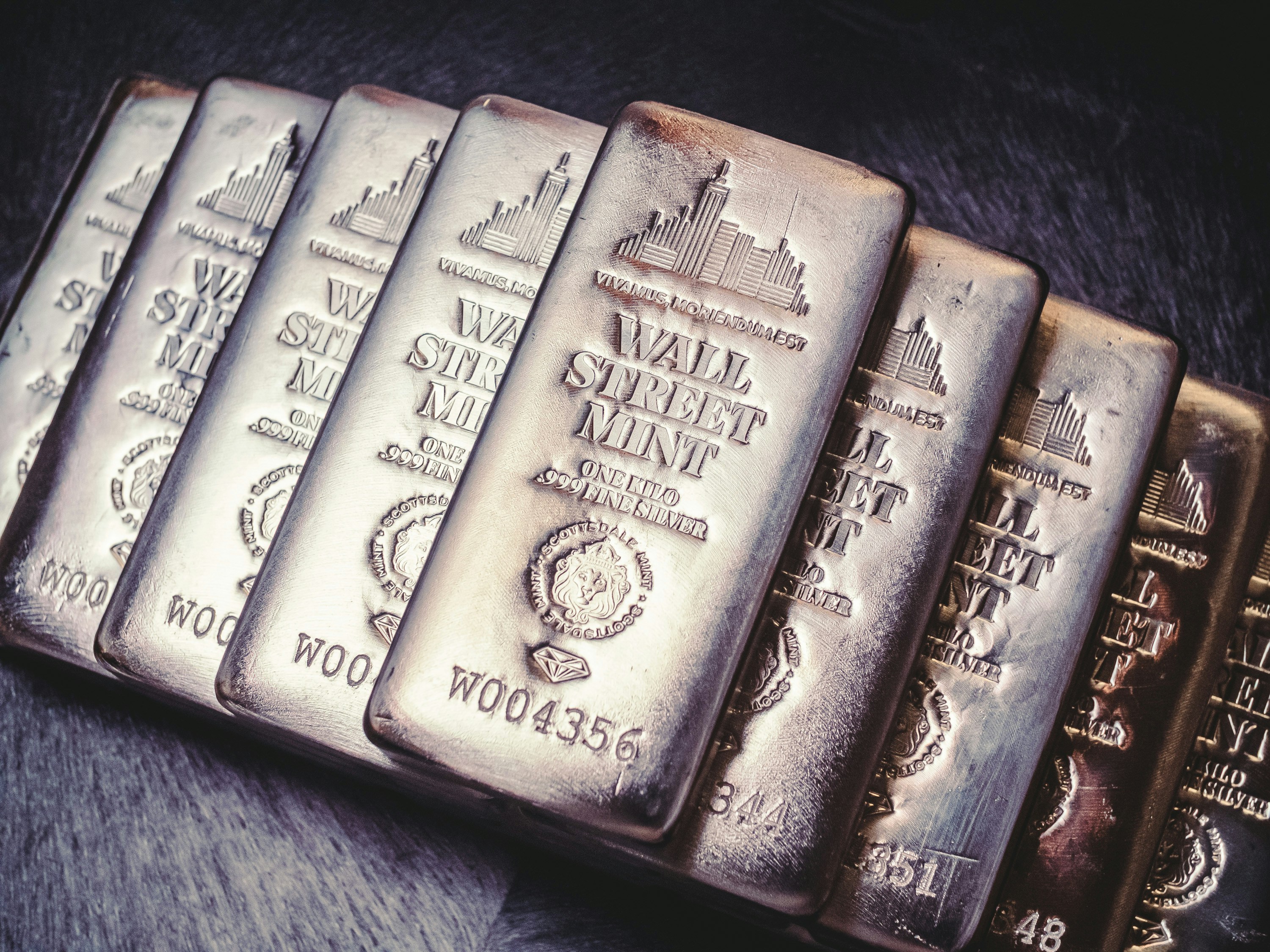
The investment demand for silver has seen notable fluctuations, influenced by various macroeconomic factors and shifting investor sentiment. One of the primary avenues through which investors engage with silver is via exchange-traded funds (ETFs), as well as through the purchase of physical assets such as coins and bars. These investments are often viewed as a hedge against inflation and economic uncertainty, making silver an attractive option for diversification within an investment portfolio. The growth in silver ETFs has been particularly prominent, indicating a trend where investors prefer the convenience and liquidity that these financial instruments offer.
Market sentiment, however, has shown a significant duality. On one hand, bullish sentiment is driven by expectations of rising inflation and a weakening dollar. Investors often flock to tangible assets during times of economic distress, prompting increased buying pressure in the silver market. On the other hand, bearish sentiments can arise from anticipated interest rate hikes or signs of economic recovery, leading to a preference for equities over precious metals. Such dynamics underscore the complex interplay between investor psychology and market trends, revealing that sentiment is often a reflection of broader economic conditions.
Additionally, fluctuations in currency values, particularly the U.S. dollar, greatly influence silver prices. A strong dollar typically exerts bearish pressure on silver, as it becomes more expensive for investors using other currencies. Conversely, a weakening dollar can bolster silver’s appeal, driving up both demand and prices. This sensitivity to macroeconomic indicators highlights the crucial role that external factors play in shaping market sentiment and investment demand. By understanding these elements, investors can better navigate the silver market’s complexities, positioning themselves to capitalize on potential opportunities that may arise from ongoing trends.
Supply Chain Dynamics and Challenges
The silver market is distinctly influenced by various supply-side dynamics, which encompass major producers, mining obstacles, and the role of recycling in the overall availability of this precious metal. As one of the most valuable industrial assets, silver is procured from a limited number of countries, with Mexico, Peru, and China being the leading producers. These nations contribute significantly to global output, and any shifts in their mining policies or operational capacities can substantially impact the overall supply.
Mining challenges play a pivotal role in shaping silver supply. Factors such as dwindling ore grades, operational costs, and aging mines can cause inefficiencies and reductions in silver extraction. Furthermore, the inherent geographical limitations of existing deposits add another layer of complexity. Companies often face stringent environmental regulations concerning land use, water consumption, and waste management, which are increasingly prevalent worldwide. These regulatory frameworks may lead to additional operational costs or even halts in production, thereby affecting the global supply chain adversely.
The impact of geopolitical tensions cannot be understated in the context of the silver market. Regions with significant silver deposits may experience instability due to conflicts, trade disputes, or political changes, influencing both production and export levels. Such factors create uncertainty among investors and can lead to volatility in silver pricing. Moreover, the rising importance of recycling as a supplementary source of silver has emerged as a solution to some supply restrictions. With advancements in technology, recyclers can recover increasingly higher percentages of silver from electronic waste and other sources, positively contributing to market supply. This burgeoning sector highlights the need for a robust supply chain that can adapt to fluctuating demands.
Geopolitical Influences on the Silver Market
The silver market, much like other precious metals, is significantly influenced by geopolitical events and regional developments. Various factors, including political instability, trade agreements, and international tensions, can play a crucial role in determining market dynamics. These geopolitical tensions often lead investors to seek refuge in safe-haven assets, such as silver, thus affecting supply and demand.
For instance, when conflicts arise or there is uncertainty regarding government stability in key silver-producing regions, the supply chain can be disrupted. Countries like Mexico and Peru are major players in silver mining; any unrest in these areas may cause production delays or shutdowns, reducing the amount of silver available on the market. This disruption can elevate silver prices as demand remains steady or increases, prompting investors to perceive silver as a resilient asset amid growing uncertainties.
Additionally, trade relations between powerful nations can also impact silver market trends. Recent developments in tariffs, trade agreements, or sanctions can lead to fluctuations in silver pricing. Such actions may not only affect the export and import of silver but can also shift investor sentiment, as traders become wary of how these geopolitical issues might influence the broader economy. An unstable political climate often elevates the status of precious metals as a hedge against currency fluctuations and economic decline.
Moreover, investor sentiment regarding silver tends to align positively with global economic uncertainty. In times of geopolitical strain, many turn to silver as a reliable store of value. Investors may consider silver not just as an industrial metal but as a financial asset resistant to market volatility. The interplay between geopolitical developments and the demand for silver ultimately underscores the complexity and responsiveness of the market to global events.
Market Predictions and Analysts’ Insights
The silver market has garnered significant attention from analysts and investors alike, particularly with the fluctuating prices observed in recent years. Various industry experts combine technical analysis, historical trends, and macroeconomic indicators to formulate predictions regarding the future direction of silver prices. These forecasts take into consideration not only the intrinsic value of silver as a precious metal but also its role in industrial applications, especially in electronic manufacturing and renewable energy sectors.
Foremost among the factors influencing silver price predictions are economic indicators such as inflation rates, interest rates, and geopolitical tensions. Many analysts believe that rising inflation tends to enhance the appeal of silver as a hedge against currency devaluation, potentially driving prices higher. Furthermore, discussions around monetary policy from central banks, especially pivotal statements regarding interest rates, play a critical role in shaping market sentiment surrounding silver investments.
In addition to economic parameters, historical trends provide important context for analysts. For instance, past performance during economic downturns shows that investors often gravitate towards safe-haven assets like silver. This behavior may further influence analysts’ expectations, particularly if global economic uncertainty persists. Furthermore, technical charts that exhibit support and resistance levels can yield insights into potential price movements, guiding short to medium-term investment strategies.
Moreover, the ongoing transition to renewable energy sources positions silver favorably, as it is an essential component in solar panels and batteries. With governments worldwide prioritizing green technologies, the industrial demand for silver is expected to bolster its market value. Ultimately, while predictions vary, a consensus is emerging that maintains silver’s relevance as a strategic investment commodity, encouraged by both its historical significance and evolving applications.
Role of Silver in a Diversified Investment Portfolio
In the realm of investment, diversification is a key strategy aimed at reducing risk while maximizing returns. Among the various asset classes, silver occupies a unique position, offering several benefits that make it an essential component of a well-rounded investment portfolio. As both a precious metal and an industrial commodity, silver presents investors with a dual advantage.
One of the primary reasons to include silver in an investment strategy is its positive correlation with other asset classes such as gold and stocks. Historically, silver has shown a tendency to move in tandem with gold, especially during periods of economic uncertainty. This correlation enables investors to hedge against market fluctuations effectively. When equities experience volatility, the demand for precious metals, including silver, often rises as investors seek safer assets. Such dynamics underscore the importance of silver in providing stability and balance to an investment portfolio.
Furthermore, silver has gained recognition as an effective hedge against inflation. In times of rising consumer prices, the intrinsic value of silver tends to appreciate, thus preserving purchasing power. This characteristic allows investors to safeguard their assets, particularly when fiat currencies are under pressure. As global economies grapple with inflationary pressures, the role of silver as a protective asset becomes increasingly significant.
Moreover, silver’s industrial applications have surged in recent years, particularly in technology and renewable energy sectors. This growing demand creates additional opportunities for investors, as it may contribute to price increases in the long run. By incorporating silver into asset allocation strategies, investors not only diversify their risk but also position themselves to benefit from the metal’s unique properties and evolving market trends.
Overall, the inclusion of silver as part of a diversified investment portfolio can enhance an investor’s strategy by providing a blend of stability, inflation protection, and exposure to growth opportunities in various sectors.
Conclusion: Key Takeaways and Final Thoughts
In assessing the state of the silver market today, several critical trends and insights emerge that underscore its significance within the broader economic landscape. The silver market has experienced noteworthy volatility, shaped by a combination of macroeconomic factors, technological advancements, and changes in consumer demand. These elements present both challenges and opportunities for investors aiming to navigate the complexities of this precious metal.
One of the most striking trends is the increasing industrial demand for silver, particularly in sectors such as electronics, renewable energy, and medical applications. As industries pivot towards sustainable solutions and green technologies, silver’s role is projected to become even more pivotal. This surge in demand offers a compelling opportunity for investors seeking to engage with the market strategically.
However, alongside these opportunities, potential risks must also be acknowledged. Market fluctuations, influenced by geopolitical tensions and inflation, pose challenges to silver investments. Investors should remain mindful of these factors, including the potential impact of changes in monetary policy and the global economic outlook, as they consider their positions in silver.
Overall, the silver market today represents a dynamic environment where informed decision-making can lead to significant investment opportunities. By recognizing the interplay of demand drivers and potential risks, investors can better position themselves to capitalize on the unique features of the silver market. Ultimately, ongoing research, combined with a strategy that considers both current trends and future implications, will be essential for anyone looking to invest prudently in silver in today’s economy.
You might also like:
- Market Trends of Hyperliquid (HYPE) as of October 25, 2025
- Cyradar EDR: Vietnam’s Rising Star in Anti-Malware Solutions
- The Escalating Waste Crisis: A Closer Look at Global Waste Projections for 2050
- Gold Prices Surge Amid Rate Cut Speculations
- Tragedy Strikes: Newly Opened Bridge in Sichuan Province Collapses Due to Landslide