
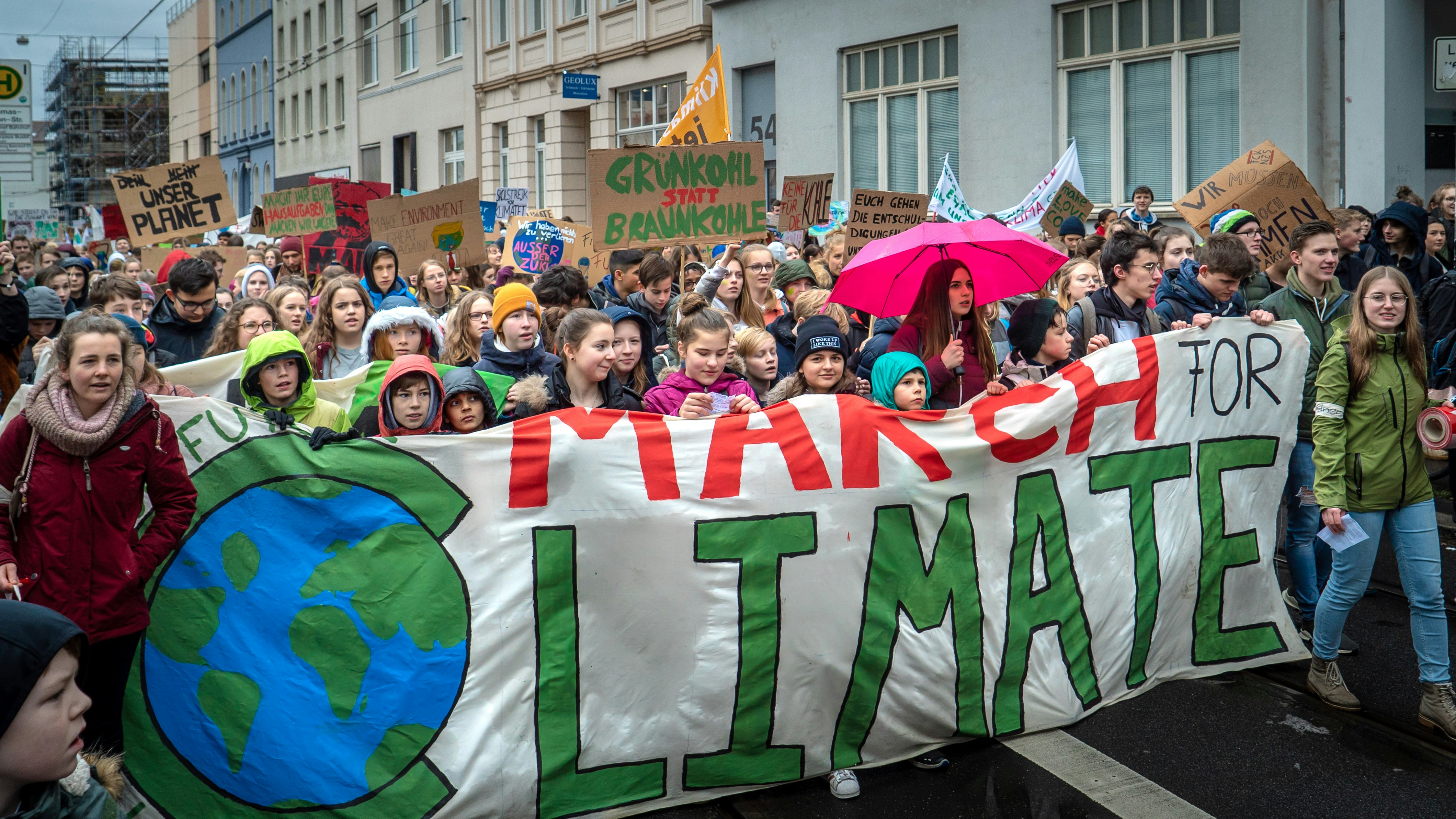
Understanding the 1.5°C Target and Its Significance
The 1.5°C target, established by the Paris Agreement, represents a pivotal benchmark in the global effort to mitigate climate change. This temperature threshold is significant because it delineates the maximum allowable limit of warming above pre-industrial levels that our planet can sustain without triggering catastrophic environmental impacts. The scientific community, including the Intergovernmental Panel on Climate Change (IPCC), has determined that maintaining temperature increases to 1.5°C is critical to safeguarding ecosystems and human societies from the dire consequences of climate change.
Surpassing the 1.5°C threshold could lead to a cascade of unpredictable and often irreversible outcomes. For instance, countries can expect a heightened frequency and intensity of extreme weather events, such as hurricanes, droughts, and floods, which can undermine food security and destabilize local economies. The loss of biodiversity is another pressing concern, as species struggle to adapt to rapidly changing habitats, resulting in extinction and diminishing natural resources essential for human survival. Furthermore, humanitarian crises may become more prevalent as vulnerable populations, particularly in developing nations, face displacement, health risks, and lack of access to clean water and adequate nutrition.
The scientific basis for this temperature limit is rooted in extensive research conducted over decades that underscores the interconnectedness of climate systems. The significant risks posed by higher temperature rises include not only environmental instability but also socio-economic disruption. A world 2°C warmer than pre-industrial levels could lead to additional sea-level rise, challenging coastal communities and threatening their livelihoods. Therefore, achieving the 1.5°C target is crucial to fostering resilient ecosystems and ensuring the viability of human societies in the face of climate change.
The UN’s Warning: Current Climate Trends and Projections
The United Nations has been at the forefront of addressing climate change, issuing stern warnings regarding the impacts of rising global temperatures. Recent reports indicate that if current trends continue unabated, the world is on course to exceed the critical temperature threshold of 1.5°C above pre-industrial levels. This increment, while seemingly small, is projected to unleash catastrophic effects on ecosystems, weather patterns, and sea levels worldwide.
According to the Intergovernmental Panel on Climate Change (IPCC) Sixth Assessment Report, the global average surface temperature has already risen by approximately 1.1°C since the late 19th century. This rapid increase is largely attributed to human activities, primarily the burning of fossil fuels, which releases greenhouse gases into the atmosphere. If emissions remain unchecked, projections suggest that warming could reach 2.7°C or even higher by the end of the century, leading to severe consequences for all living beings on the planet.
Furthermore, the recent United Nations Framework Convention on Climate Change (UNFCCC) reports underscore the need for immediate and significant reductions in greenhouse gas emissions. The emphasis on the urgency of international cooperation cannot be overstated. Without concerted global action, the adverse effects of climate change—such as extreme weather events, biodiversity loss, and food insecurity—will exacerbate, impacting marginalized communities the most.
The call for change is supported by alarming statistics. For instance, the last decade has witnessed record-breaking heatwaves, intensified hurricanes, and unprecedented droughts. These trends align with predictions made by climate models, which consistently project increased variability in weather patterns as temperatures continue to rise. The UN emphasizes that the window for effective action is rapidly closing and advocates for transformative measures in energy, transportation, and land use to safeguard the future of humanity against climate change.
Consequences of Exceeding 1.5°C: A Global Perspective
The implications of surpassing the critical threshold of 1.5°C in global temperature rise are profound and far-reaching, impacting various dimensions of life. One of the immediate consequences is the increased frequency and intensity of natural disasters. Extreme weather conditions such as hurricanes and wildfires are expected to become more common and severe, leading to devastating effects on ecosystems and human settlements. Regions that are already vulnerable will bear the brunt of these events, resulting in loss of life, displacement, and destruction of property.
Additionally, the rise in sea levels presents a significant threat to coastal communities worldwide. As polar ice caps melt and ocean temperatures increase, cities located near coastlines face the risk of inundation and extreme flooding. This displacement can lead to the creation of climate refugees, forcing populations to migrate to safer areas, often leading to conflicts over resources and strained infrastructures in receiving regions.
Health crises pose another serious concern associated with surpassing the 1.5°C limit. Elevated temperatures can exacerbate the effects of air pollution, leading to respiratory issues, cardiovascular diseases, and other health complications, particularly among vulnerable groups such as the elderly and those with pre-existing health conditions. Furthermore, climate change is associated with the spread of vector-borne diseases, further endangering public health, particularly in developing countries which often lack adequate healthcare resources.
Socio-economic repercussions are equally alarming, with developing nations facing the gravest challenges. These countries, typically lacking the financial and technological resources to combat climate impacts, may experience heightened poverty rates, food insecurity, and loss of livelihoods. Addressing these complexities necessitates a coordinated global effort aimed at mitigating emissions and supporting vulnerable populations to cope with the impending climate crisis.
Pathways to Mitigation: What Can Be Done to Reverse the Trend?
Addressing climate change requires concerted global efforts focusing on various strategies that can assist in preventing the rise of global temperatures beyond the crucial 1.5°C threshold. One of the foremost pathways to mitigation includes enhancing international cooperation, which is essential for sharing resources, knowledge, and technologies that can catalyze effective climate action. Multinational agreements like the Paris Accord have created frameworks for nations to commit to specific emission reduction targets, promoting transparency and accountability in climate efforts.
Another vital area of focus is the adoption of sustainable practices across all sectors, from agriculture to urban planning. Transitioning to sustainable agricultural methods can significantly reduce greenhouse gas emissions while enhancing food security. Urban areas are also key players in climate mitigation; implementing green building practices, improving waste management systems, and investing in public transportation can lead to substantial emission reductions.
The transition to renewable energy sources is imperative to reversing current climate trends. By investing in solar, wind, hydroelectric, and geothermal energy, countries can decrease their reliance on fossil fuels, which are the primary contributors to global warming. A shift toward a renewable energy economy not only curtails emissions but also creates job opportunities and fosters economic growth.
Policy changes are equally instrumental in mitigating climate change. Governments must enact legislation that supports carbon pricing, incentivizes renewable energy investments, and regulates emissions from industries. Additionally, promoting public awareness campaigns can herald a cultural shift toward environmentally responsible behaviors among individuals and businesses alike.
Successful initiatives globally serve as examples of how collective actions can yield positive outcomes. For instance, cities that have implemented aggressive public transportation policies and incentivized cycling have experienced notable reductions in urban emissions. As the climate crisis intensifies, it becomes increasingly important for all stakeholders—governments, organizations, and individuals—to act decisively and collaboratively. The time to implement these pathways to mitigation is now.