
Overview of the US Peace Plan
The US Peace Plan for Ukraine, consisting of 28 distinct points, aims to provide a comprehensive framework for resolving the protracted conflict that has engulfed the region since 2014. At its core, the plan seeks to achieve a sustainable peace through diplomatic negotiations, emphasizing both immediate and long-term objectives. The primary goals include the restoration of Ukrainian territorial integrity, the establishment of security guarantees, and support for governance reforms in Ukraine, alongside humanitarian assistance efforts to alleviate the suffering of those affected by the conflict.
Key components also involve fostering economic stability and development in the region, highlighting the necessity of international partnerships and funding. Elements of the proposal specifically emphasize the importance of inclusive dialogues involving all stakeholders, including regional actors, to create a framework that is seen as legitimate and beneficial from various perspectives. Moreover, establishing mechanisms to monitor compliance and promote accountability in the implementation of the agreement is essential for building trust among involved parties.
However, the plan faces numerous challenges both at home and abroad. Domestic criticisms primarily stem from concerns regarding its viability and the potential repercussions on US foreign policy. Many argue that the proposal may not sufficiently address the underlying grievances of the conflicting parties. Internationally, geopolitical tensions complicate the situation further, with the plan being scrutinized by various countries who view it as either an overreach or an inadequate response to the realities on the ground.
Historical context plays a vital role in understanding the implications of the US Peace Plan. The ongoing conflict has deep roots in Ukraine’s political landscape, national identity, and its relationship with neighboring Russia. As such, any successful approach must navigate this complex landscape to facilitate a lasting resolution while addressing the multifaceted issues at play.
Ukraine’s Response to the Peace Plan
Ukraine’s reaction to the US peace plan, consisting of 28 specific proposals, has evolved significantly since its introduction. Initially, the Ukrainian government expressed skepticism regarding engagement with the proposal, demonstrating a reluctance to be perceived as yielding to external pressures. Officials voiced that discussions concerning territorial concessions were unacceptable, emphasizing a national sentiment popularly articulated as “no land for sale.” This phrase encapsulates a steadfast commitment to Ukraine’s territorial integrity, asserting that any negotiations should not compromise the sovereignty that the country has fought so hard to defend.
As the situation developed, however, Ukraine appeared to recognize the potential benefits of diplomatic dialogue. The government began to explore negotiation avenues, albeit cautiously, balancing the necessity of pursuing peace with the inherent risks associated with international engagement. This transition reflects a complex calculus faced by Ukrainian leadership in weighing foreign intervention’s value against the need to protect sovereignty. The idea of negotiating with a figure such as former President Trump adds another layer of complexity, raising concerns about the broader implications for national security. Ukraine’s strategic interests must align with any agreements that are reached, ensuring that improvements in diplomatic relations do not come at the expense of its foundational principles.
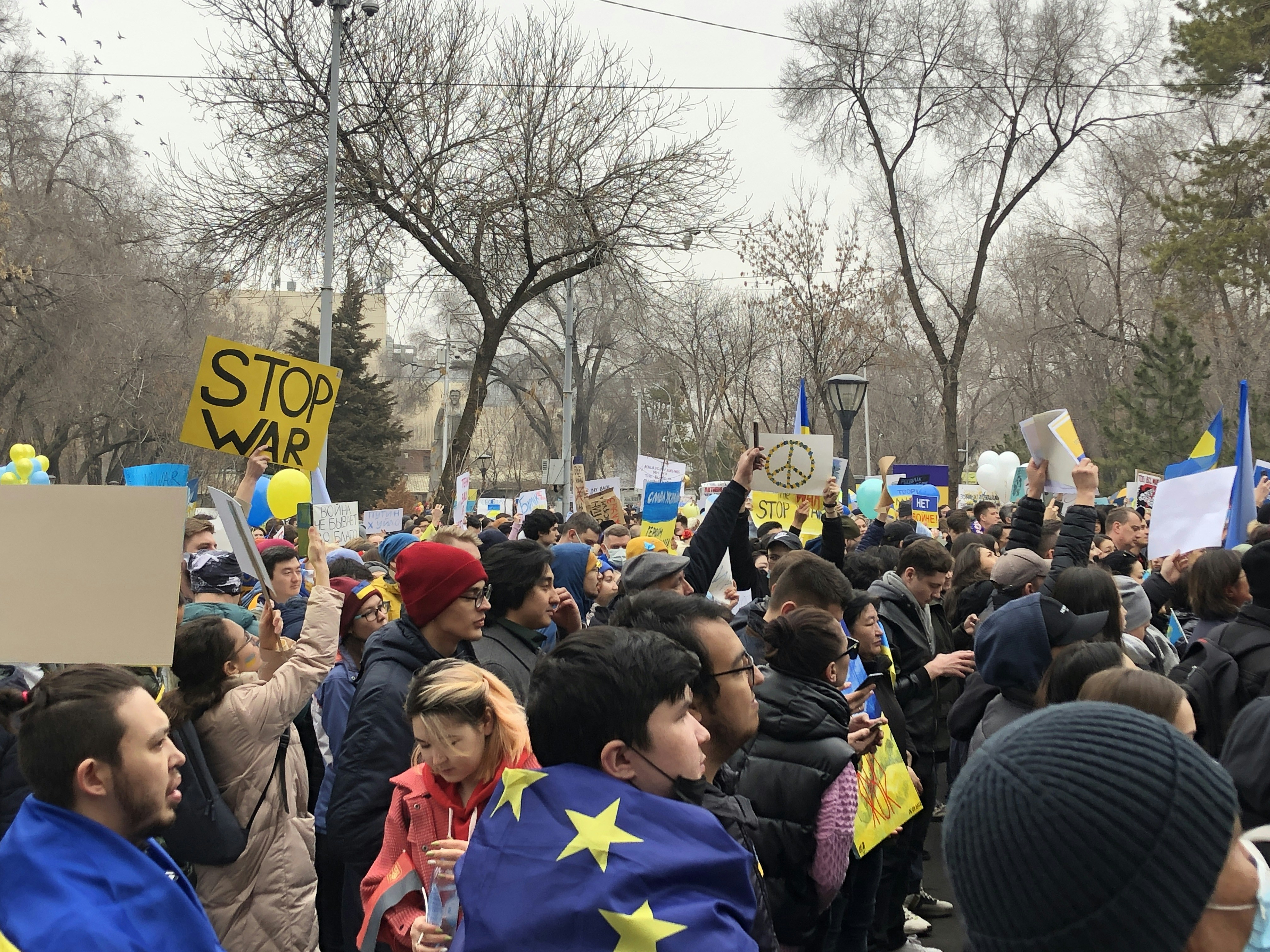
Public sentiment in Ukraine has proven mixed regarding the peace plan. While some citizens are fatigued by ongoing conflict and express a desire for peace at any cost, others remain staunchly opposed to any concessions that could undermine the nation’s sovereignty. This dichotomy reflects a broader societal worry about negotiating with foreign entities, particularly in light of historical challenges Ukraine has faced in maintaining its independence. As the peace plan continues to receive scrutiny, the implications of diplomatic discussions will undoubtedly shape the future trajectory of Ukraine’s national integrity and security.
Europe’s Strategic Position on the Plan
The European Union’s response to the US peace plan for Ukraine has been multifaceted, reflecting a keen awareness of the geopolitical landscape and the implications for its foreign policy objectives. Central to this response is the European Commission’s intention to assess and potentially rewrite certain aspects of the proposal prior to the deadline established by former President Trump. This proactive approach indicates the EU’s desire to align the US initiative with its own strategic interests and values, ensuring that any implemented measures respect the sovereignty of Ukraine and the principles of international law.
One significant facet of Europe’s strategy involves the ongoing seizure of Russian assets, which has become emblematic of the EU’s stance against the aggression faced by Ukraine. By targeting these assets, the European Union not only seeks to penalize Russia but also to generate funds that may eventually support the reconstruction of Ukraine. This move underscores a broader commitment to solidarity with Ukraine while attempting to curtail the influence of Russian aggression in the region.
Moreover, the evolving dynamics of the peace plan are significantly influencing European unity and cooperation in foreign policy. The prospect of a US-related framework for peace prompts member states to engage with one another, fostering dialogue about shared strategic priorities. As countries navigate their differing perspectives on the effectiveness and implications of the US proposal, the need for a coordinated response becomes increasingly evident. This cooperation is essential not just for formulating a unified stance on the peace plan but also for reaffirming the EU’s role as a vital player in international diplomacy.
In this context, Europe’s strategic positioning on the US peace plan is not merely a reactionary measure; it represents an active effort to shape the discourse and outcomes surrounding the Ukraine crisis. The developments in this area are likely to have lasting effects on the EU’s foreign policy frameworks and its relationship with both the US and Russia.
Future Implications of the US Peace Plan
The US Peace Plan proposes a multifaceted approach to the ongoing conflict in Ukraine, and its future implications warrant careful examination. As the international community scrutinizes the 28-point proposal, reactions from both Ukraine and European countries will significantly shape the course of events following its implementation. Initially, it is essential to consider that Ukraine’s response is likely to be influenced by its domestic political landscape and the ongoing military situation. Should the plan be perceived as a means to确保 territorial integrity and security, it could foster cooperation. However, any perceived compromises might also lead to heightened tensions within the country.
From a European perspective, the plan’s consequences may vary between different nations. Countries directly bordering Ukraine may favor a robust military response to deter further aggression, while others may prioritize economic recovery and stabilization efforts. This divergence in priorities could lead to challenges in forming a unified European strategy in support of the peace initiative. Furthermore, the role of international stakeholders such as NATO and the European Union will be crucial in mitigating risks associated with escalated tensions in the region. Their involvement could either bolster the peace plan or exacerbate existing divides depending on the approach taken.
Additionally, the success of the US Peace Plan largely hinges on diplomatic negotiations. Engagement between Ukraine, Russia, and relevant stakeholders could pave the way for a sustainable resolution to the conflict. Diplomatic channels must remain open to enable effective dialogue, as mistrust can potentially derail peace efforts. Ultimately, the path ahead remains uncertain, but the interplay of these factors will undoubtedly influence the efficacy of the US peace plan and its capability to bring about long-term stability in Ukraine.