
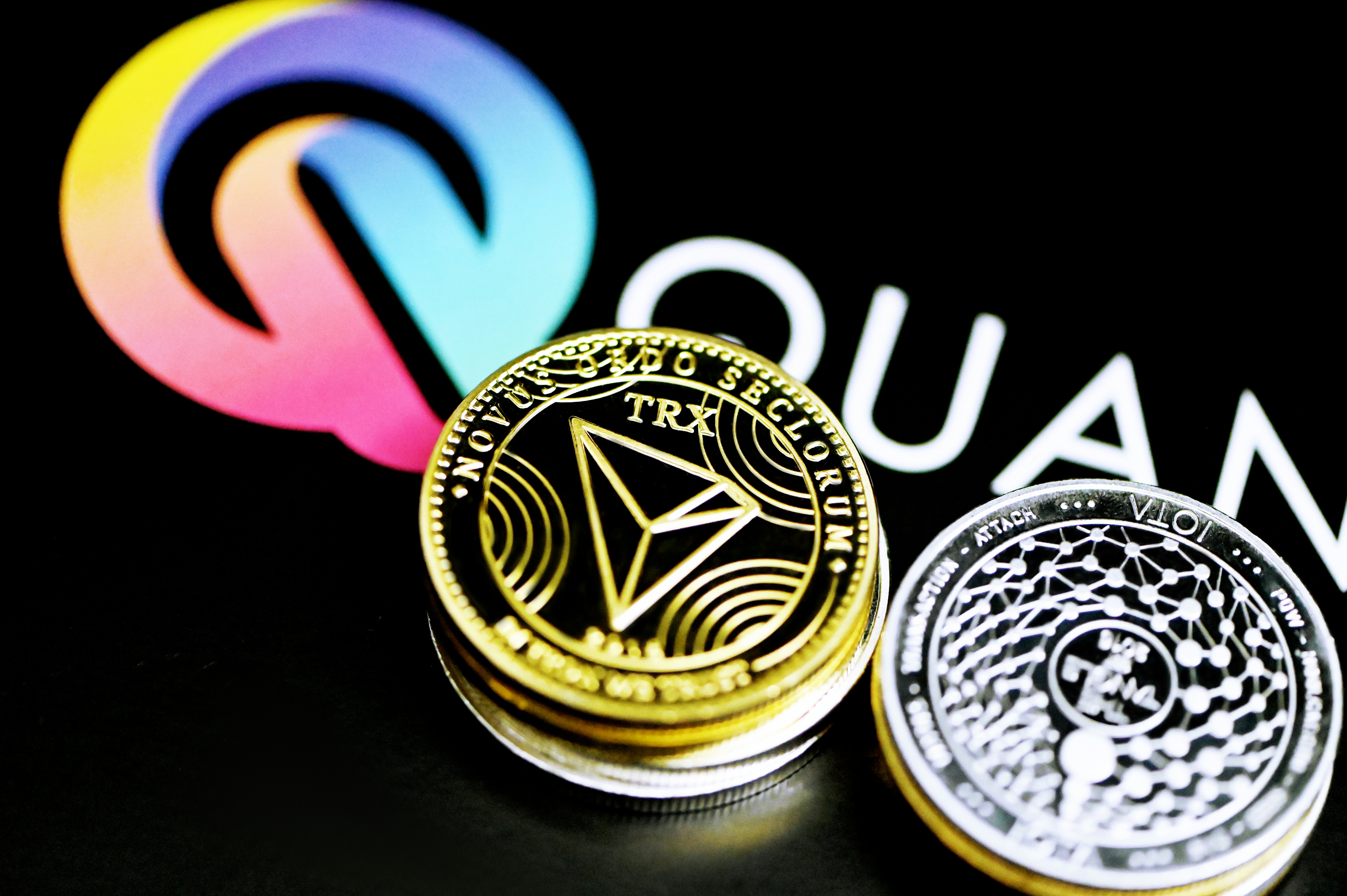
Introduction to Tron (TRX)
Tron (TRX) is a blockchain-based platform that was founded in 2017 by Justin Sun. Designed with the purpose of building a decentralized internet, Tron seeks to enable content creators to publish, store, and own their data without intermediaries. This innovative project focuses on empowering users by offering a robust framework for decentralized applications (dApps), thereby contributing to the growing landscape of decentralized finance (DeFi) and non-fungible tokens (NFTs).
One of the standout features of Tron is its layer 1 blockchain architecture, which provides rapid transaction processing capabilities. Tron can handle thousands of transactions per second, making it one of the fastest blockchains currently available. This capacity allows for seamless interactions within its ecosystem, significantly reducing the time and costs typically associated with blockchain transactions. Users can conduct transactions at a minimal cost, which is particularly appealing for developers and users participating in the DeFi and NFT sectors.
Moreover, Tron boasts an extensive support network for various decentralized applications. With a wide array of tools and resources available for developers, the platform has become a popular choice for those looking to create new applications in the blockchain space. The Tron community has witnessed consistent growth, attracting numerous developers due to its user-friendly environment and extensive documentation.
In addition to its technical advantages, Tron has made waves in the cryptocurrency market with strategic partnerships and collaborations. The platform aims to further enhance its ecosystem by collaborating with established firms, thereby promoting the adoption of blockchain technology. As the landscape of digital currencies evolves, Tron’s unique offerings position it as a significant player in the ongoing transition towards decentralization.
Positive Network Attributes
Tron (TRX) has garnered attention in the cryptocurrency market, particularly due to its impressive network attributes that set it apart from many competitors. One of its most notable features is its rapid transaction speed. Tron can process transactions in mere seconds, significantly outperforming traditional financial systems and many blockchain platforms. This speed is essential for users and developers alike, particularly in demanding environments where time is a critical factor. The capability to offer instantaneous transactions makes Tron an attractive choice for applications requiring real-time performance, such as online gaming and decentralized finance (DeFi).
In addition to its swift processing capabilities, Tron’s network operates with remarkably low transaction fees. Unlike many other cryptocurrencies, which can experience congestion and high transaction costs, Tron maintains a fee structure that is often negligible. This minimal fee approach encourages increased usage and makes the network particularly appealing for microtransactions and everyday purchases, further enhancing its reputation as a reliable payment network.
Tron’s diverse applications also contribute to its growing popularity in emerging markets, especially in Asia and Latin America. As internet accessibility increases in these regions, more users are turning towards digital solutions for their financial needs. Tron’s infrastructure supports various applications, including content sharing and gaming, aligning with the cultural and economic trends prevalent in these areas. The network’s ability to integrate with local payment methods makes it a flexible alternative for users looking to navigate the digital economy.
Through these attributes, Tron is establishing itself as a formidable player in the cryptocurrency landscape, resonating particularly well with users seeking efficiency and economy. As it continues to innovate and expand its applications, Tron holds significant potential for future growth and adoption.
Dominance in Stablecoin Transactions
Tron (TRX) has established itself as a prominent player in the realm of stablecoin transactions, particularly with its efficient processing of Tether (USDT) on the TRC-20 network. As of October 2023, statistics indicate that Tron processes a substantial majority of USDT transactions globally, accounting for a significant share of the total USDT market volume. This dominance highlights the network’s reliability and scalability in handling high transaction volumes, making it an attractive platform for users and traders alike.
In recent months, data suggests that Tron has surpassed Ethereum in terms of USDT transaction volume. For instance, reports indicate that over 80% of USDT transactions are conducted on the Tron network, while Ethereum, once considered the primary platform for stablecoin transactions, has seen a decline in its relative market share. This shift can be attributed to Tron’s lower transaction fees and faster settlement times, which cater to the growing demands of the decentralized finance (DeFi) ecosystem and cryptocurrency traders seeking efficiency.
The implications of Tron’s dominance in USDT transactions extend beyond mere numbers. With the increasing adoption of USDT as a medium for trading and transferring value, Tron’s significant role in these transactions positions it favorably within the broader market framework. Moreover, the reliance on USDT for liquidity can impact TRX’s price stability, as increased USDT usage on the Tron blockchain may bolster the cryptocurrency’s value and user engagement.
As the cryptocurrency landscape continues to evolve, monitoring Tron’s position in stablecoin transactions will be critical. Consideration of regulatory developments, market dynamics, and the impact of competing networks will shape the future of USDT transactions on Tron and its dominance within the stablecoin ecosystem.
Impact of Transaction Fee Reductions
Recent developments within the Tron (TRX) network have drawn considerable attention, particularly the implementation of significant reductions in transaction fees. The transaction fee, which was approximately 2.47 TRX, has been drastically lowered to around 0.72 TRX. This reduction is notable for its correlation with the introduction of a ‘gas-free’ feature aimed at facilitating smoother transactions for users.
Lower transaction fees can have various impacts on network activity. Firstly, by reducing costs, the Tron network becomes more appealing for both existing users and potential newcomers. This newfound affordability can stimulate an influx of new users, ultimately promoting broader participation in the network’s ecosystem. Increased user activity may lead to a higher volume of transactions, further reinforcing network usability and utility.
The enhanced economic model brought about by lower fees could also attract decentralized applications (dApps) and developers interested in operating on a more cost-effective platform. With a reduction in fees, developers might find it financially viable to create advanced features or innovative offerings, facilitating a surge in dApp adoption. Additionally, the ‘gas-free’ feature may serve to lower barriers to entry, making it practical for users to engage with dApps without the fear of incurring prohibitive transaction costs.
As the Tron network embarks on this transition towards lower transaction fees, the potential for increased demand for TRX cannot be overlooked. A more active user base resulting from cost reductions will likely necessitate higher TRX holdings for transaction participation. Consequently, as demand surges, users’ interest in acquiring TRX may translate into upward price pressure on the token. Thus, the economic implications of transaction fee reductions not only encourage active engagement but may also enhance the overall value proposition of TRX in the marketplace.
Tron’s Role in Decentralized Finance (DeFi)
Tron (TRX) has emerged as a significant player within the decentralized finance (DeFi) landscape, offering a platform that facilitates various financial applications and services without the need for traditional intermediaries. One of the defining characteristics of DeFi is its commitment to improving accessibility and inclusivity, and Tron embraces this ethos through its innovative projects. By eliminating barriers to entry, Tron enables a diverse range of users to engage in financial activities such as lending, borrowing, and trading.
Among the notable DeFi applications on the Tron network is JustLend, a lending platform that allows users to earn interest on their cryptocurrency holdings or borrow assets against their collateral. This project exemplifies the potential of Tron in providing seamless financial services, as it enhances liquidity while ensuring transparent and secure transactions. Additionally, platforms like JustSwap offer decentralized exchanges (DEXs) that enable users to trade TRX and other tokens without relying on centralized authority, promoting the principles of autonomy and self-custody.
Furthermore, the emergence of liquidity mining protocols on Tron incentivizes users to provide liquidity for various trading pairs. These mechanisms not only reward participants with attractive yields but also strengthen the overall liquidity of the Tron ecosystem. Innovative projects like Sun.io and its yield farming options have seen considerable engagement from DeFi enthusiasts, demonstrating the growing appeal of Tron as a viable DeFi platform.
Tron’s scalability and low transaction costs further position it as a competitive alternative to other blockchain networks, especially in an era where speed and efficiency are paramount. By continually expanding its DeFi offerings, Tron is paving the way for enhanced user engagement and investment opportunities, solidifying its role within the evolving DeFi ecosystem.
NFT Market Presence
The advent of Non-Fungible Tokens (NFTs) has profoundly impacted blockchain technology, with various networks emerging as vital players in this burgeoning market. Tron (TRX) has established a significant presence within the NFT sector, primarily due to its unique attributes such as low transaction fees and rapid processing capabilities that enhance user experience. As a result, Tron has attracted multiple NFT projects, contributing to the blockchain’s overall ecosystem and reinforcing its relevance in the digital asset market.
Moreover, the Tron network facilitates a user-friendly environment for NFT creators and buyers, lowering barriers to entry in the digital art space. This has resulted in an influx of new artists and developers tapping into their innovative potential. The ability to swiftly mint and trade NFTs without incurring significant fees enables them to reach a wider audience. As the demand for NFTs continues to rise, Tron’s position appears solid, bolstered by its reputation for efficient transaction processing. These factors collectively suggest that Tron will remain a critical player in the NFT arena, contributing to the dynamic landscape of digital collectibles and further leveraging its technological advantages.
Decentralized Applications (dApps) on Tron
The Tron network has emerged as a prominent platform for decentralized applications (dApps), catering to various sectors, including gaming, finance, and social networking. The versatility and efficiency of Tron’s infrastructure enable developers to build high-performance dApps that can scale effectively while offering seamless user experiences.
Among the most notable dApps on Tron is TRONBet, a blockchain-based gaming platform that has drawn considerable attention due to its revolutionary approach to online gambling. It utilizes smart contracts to ensure transparency, fairness, and security for users, enhancing trust in gaming processes. Another significant dApp is JUST, a decentralized finance (DeFi) platform that enables users to lend and borrow cryptocurrencies, providing users a chance to make passive income through staking and liquidity provision.
These platforms not only contribute to the functionality of the Tron network but also engage users in novel ways, significantly driving user interaction and investment. For instance, the TRONLink wallet is frequently cited as a critical tool for accessing various dApps, facilitating transactions, and managing assets smoothly. TRON’s ongoing development in dApp technology has also led to increased user engagement, evidenced by growing transaction volumes and active user counts, which are indicators of a healthy ecosystem.
The vibrant dApp ecosystem significantly enhances Tron’s attractiveness to both users and investors. By providing a wide array of services and functionalities, developers are drawn to Tron as an ideal platform for innovation. As the blockchain landscape continues to evolve, the ongoing rise of dApps will likely play a crucial role in Tron’s future growth and stability, making it vital for stakeholders to monitor these developments closely.
Market Trends and Signals to Watch
The cryptocurrency market, including Tron (TRX), is influenced by a myriad of factors that can alter its performance significantly. Examining current market trends is crucial for stakeholders aiming to navigate the quicksilver nature of this digital asset environment. One prominent trend is the increasing adoption of blockchain technology across various sectors. Technological advancements such as scalability enhancements and platform interoperability are becoming focal points for developers within the Tron network. These innovations may lead to improved transaction speeds and lower costs, rendering TRX more appealing to both users and investors.
Regulatory developments constitute another key variable in the fluctuating landscape of cryptocurrency. Governments around the world are devising frameworks to regulate digital currencies, which can have profound implications for the market. An increase in regulatory clarity is viewed positively by market participants; however, any unfavorable legislation can trigger immediate sell-offs. Therefore, stakeholders should remain vigilant regarding the stance of relevant regulatory bodies towards cryptocurrencies, particularly in major markets such as the United States and Europe.
Additionally, market sentiment often serves as a vital indicator of potential price movement. Social media platforms and news outlets play an influential role in shaping public perception of digital assets, including TRX. Keeping an eye on sentiment analysis tools can provide insights into traders’ emotions and market psychology, which may serve as precursors to price shifts. Understanding these trends and signals—ranging from technological improvements to regulatory changes and sentiment fluctuations—can aid investors in making informed decisions as they approach the TRX market. This holistic view can empower better forecasting and strategic planning in the unpredictable world of cryptocurrencies.
Conclusion and Future Outlook
In reviewing the current status of Tron (TRX), it is evident that the network has shown resilience and adaptability amid a continually evolving cryptocurrency landscape. Key market signals, such as trading volume, network activity, and overall sentiment, provide valuable insights into the performance and potential trajectory of Tron. As the project seeks to enhance its decentralized application ecosystem, developments in scalability, governance, and interoperability remain critical factors to monitor. The strategies employed by Tron to foster partnerships and facilitate broader adoption will also play a significant role in shaping market performance.
One noteworthy aspect of Tron’s ecosystem is its focus on punitive measures against malicious actors, aiming to create a more secure environment for users and developers alike. Furthermore, the integration of oracles and cross-chain technologies could expand the utility of the platform, attracting a wider array of dApps and consequently boosting TRX’s market presence. In addition, the ongoing global regulatory discussions surrounding cryptocurrencies could impact Tron’s operations and the overall investor ecosystem, thereby necessitating attention from stakeholders.
While the analysis presented highlights the potential for growth and innovation within the Tron network, it is crucial to acknowledge the inherent volatility in cryptocurrency markets. Historical performance is not indicative of future results, and investors should conduct their own thorough research before participating in the market. This blog post is intended to provide an informational overview of Tron’s market dynamics rather than serve as investment advice. Keeping abreast of developments in the Tron ecosystem, as well as broader market trends, will be essential for informed decision-making in this rapidly changing domain.