
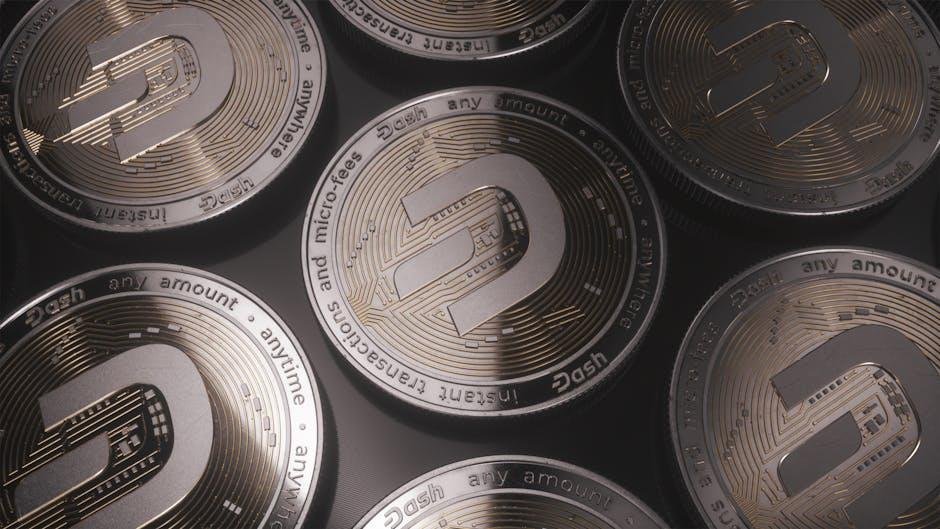
The Rise of Institutional Crypto: UAE-Backed DDSC Stablecoin Processes $30M Transaction
The digital asset landscape is evolving at a breakneck pace, and the recent milestone achieved by the UAE-backed DDSC stablecoin-a massive $30 million institutional transaction-marks a pivotal shift in how global enterprises view blockchain technology. As institutional investors move away from experimental phases toward practical application, stablecoins are proving to be the backbone of modern financial infrastructure. This development not only highlights the growing maturity of the United Arab Emirates’ fintech ecosystem but also sets a new benchmark for cross-border liquidity and digital settlement.
In this article, we dive deep into the mechanics of the DDSC stablecoin, the implications of this institutional-scale transaction, and why the UAE is quickly becoming the global hub for digital asset innovation.
Understanding the DDSC Stablecoin Ecosystem
Stablecoins have long been categorized as the bridge between conventional fiat currencies and the decentralized finance (DeFi) world. By pegging their value to stable assets,such as the U.S. Dollar or a basket of currencies, they mitigate the volatility that often deters large-scale institutional participation.
The DDSC (Digital Dirham Settlement Coin) stablecoin, backed by strategic initiatives within the UAE, is designed to serve as a compliant, high-speed, and secure medium of exchange. Unlike retail-focused tokens, DDSC focuses on:
- Regulatory Compliance: Operating within the clear frameworks established by UAE financial authorities.
- Institutional Interoperability: Seamless integration with existing banking API infrastructures.
- High Liquidity: Ensuring that transactions of $30M and above can be processed without meaningful slippage.
The $30 Million Transaction: A Glimpse into the Future
The accomplished processing of a $30 million institutional transaction via the DDSC stablecoin is not just a headline; it is a proof-of-concept for the future of global trade finance. Traditionally, cross-border payments involving such sums could take days to settle due to the complexities of correspondent banking systems. By utilizing DDSC, the institutions involved achieved settlement in minutes.
Key Benefits for Institutional Players
Why are large financial institutions shifting their billions toward UAE-backed assets? the answer lies in efficiency and security. Here are the primary benefits driving this adoption:
| Feature | Traditional Banking | DDSC Institutional flow |
|---|---|---|
| Settlement Time | 3-5 Business Days | Near-Instant |
| Transaction Fees | High (Intermediary costs) | Low (Minimal network gas) |
| Transparency | Opaque/Manual | Immutable Public Ledger |
| currency Conversion | Manual forex | Automated Smart Contracts |
UAE’s Strategic Vision for Fintech
The United Arab Emirates has positioned itself as a primary gateway for East-West digital trade. With the government’s robust support for blockchain adoption, the UAE has become a sandbox for innovation. The success of the DDSC project is a direct result of the nation’s “sandbox First” approach, where regulators work alongside technology providers to ensure high safety standards without stifling innovation.
Driving Enduring Growth in Digital Assets
Institutional interest in Dubai and Abu Dhabi isn’t just about tax advantages-it’s about the infrastructure. By fostering an surroundings where a $30M transaction can be verified, audited, and processed in a secure environment, the UAE is effectively attracting top-tier financial service providers from across the globe.
Practical Tips for Institutional Cryptocurrency Adoption
If your organization is considering integrating stablecoins like DDSC for high-value treasury operations, there are several best practices to keep in mind to ensure operational success:
- KYC and Compliance Integration: Always ensure that the stablecoin provider adheres to global Anti-Money Laundering (AML) and Know Your Customer (KYC) standards.
- custody Solutions: Utilize institutional-grade hardware security modules (HSMs) or multi-party computation (MPC) wallets to secure your holdings.Do not store massive amounts on centralized exchange accounts.
- Liquidity Audits: Regularly verify the transparency reports of the issuer. A reliable stablecoin should have frequent, third-party attestations of its underlying reserves.
You might also like:
- Trump’s World Liberty below fireplace for ‘absurd’ token liberate opinion
- Understanding the Sudan Crisis: December 17, 2025
- Ebola responders scream abet cuts by Western nations left them ill-geared up for outbreak – The Washington Submit
- Ashes Defeat: A Disheartening Series for England’s Cricket Team
- Emergency Landing of Red Wings Airlines: A Close Call in the Skies

